The Most Compelling Driving Destinations in the UK
The United Kingdom’s geography offers a unique intersection of medieval architecture, extreme coastal cliffs, and high-altitude mountain passes. For the road enthusiast, the "beauty" of a route is defined by its technical layout and the way it interacts with the landscape. From the ancient limestone villages of the Cotswolds to the vertical drops of the Sussex coast, these destinations represent the pinnacle of British scenic driving.
| UK Scenic Destinations: Road Profiles | |
|---|---|
| Lake District (Cumbria) | High-altitude passes (Hardknott & Wrynose) |
| Beachy Head (East Sussex) | A285 & coastal ridges with 162m vertical drops |
| Portmeirion (Wales) | Gateway to the Snowdonia (Eryri) technical loops |
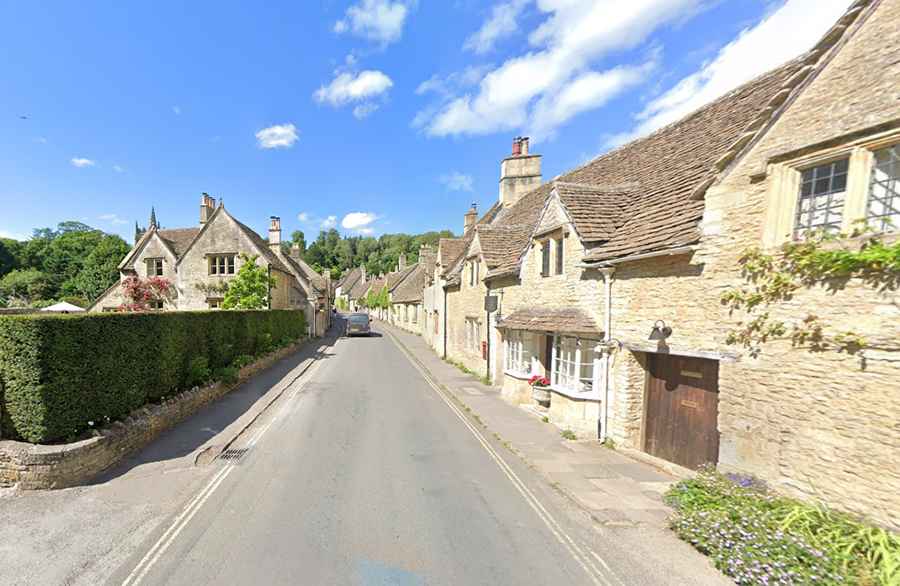
| The Cotswolds (Castle Combe) | Narrow medieval lane navigation and B4632 ridge |
1. The Lake District: A Masterclass in Gradient
The Lake District in Cumbria is synonymous with technical driving. Beyond the literary history of the region lies a network of roads that challenge any vehicle's cooling and braking systems. The primary attraction for drivers is the ascent of Kirkstone Pass and the brutal 33% gradients of the Hardknott and Wrynose passes. These routes offer spectacular views of blue lakes and steep valleys, but they require extreme focus and precise gear selection to navigate the narrow, stone-walled hairpins.
2. Beachy Head: Coastal Exposure on the South Coast
Rising 162 meters above the English Channel, Beachy Head offers one of the most dramatic coastal road settings in Europe. The routes leading to the 43-meter automatic lighthouse are characterized by high-exposure ridges and sudden changes in elevation. While the area is world-famous for its chalk cliffs, drivers must remain vigilant; the proximity to the cliff edge and the frequent coastal mists (haars) can make these high-altitude coastal roads particularly hazardous in poor weather.
3. Castle Combe and the Cotswold B-Roads
Often cited as the most beautiful village in England, Castle Combe represents the challenge of medieval urban navigation. The village remains untouched since the 15th century, meaning the roads are narrow, winding, and strictly limited by ancient architecture. Driving through the Cotswolds toward Castle Combe allows you to experience the B4632 ridge road, a former A-road that offers wide, sweeping turns and panoramic views of the Vale of Evesham before descending into the tight, limestone-walled lanes of the village.
4. Bath: Georgian Symmetry and Urban Grids
The city of Bath is a UNESCO World Heritage site defined by its Georgian architectural symmetry. Navigating the city’s urban grid—including the iconic Royal Crescent and the Bath Circus—requires careful situational awareness due to high pedestrian density and complex one-way systems. The approach to Bath via the Avon Valley provides a scenic transition from rural Somerset into the heart of one of England’s most aesthetically consistent urban environments.
5. Portmeirion: The Italianate Gateway in Wales
Located on the coast of North Wales (not England, as often misidentified), Portmeirion is a unique architectural experiment designed by Clough Williams-Ellis. For the driver, Portmeirion serves as a surreal gateway to the Snowdonia (Eryri) National Park. The roads leading into this Italianate village are narrow and coastal, eventually feeding into the high-intensity mountain loops of North Wales, where the scenery shifts from Mediterranean-style gardens to rugged, volcanic peaks in just a few miles.
Conclusion: The British Road as a Cultural Artifact
Driving through the UK is more than a transit experience; it is a journey through history and engineering. Whether you are navigating the medieval streets of Castle Combe, the royal arteries of Windsor, or the vertical cliffs of Beachy Head, the road itself tells the story of the land. Prepare your vehicle, study the topography, and discover why these scenic routes remain the favorite destinations for drivers across the globe.