Technical Hazards: 4 of the Most Dangerous Roads in England
While the United Kingdom maintains high overall road safety standards, its rural and mountainous topography presents unique challenges. Problematic terrain, including sharp hairpins, craggy hilltops, and extreme gradients, can catch even the most experienced drivers off-guard. When navigating these four notorious stretches, planning and mechanical preparation are more than just suggestions—they are essential for survival.
| England's High-Risk Sectors: Quick Stats | |
|---|---|
| Steepest Gradient | Rosedale Chimney Bank (33%) |
| Highest Pass | Kirkstone Pass (1,489 ft) |
| Most Fatalities | Cat and Fiddle Road (A537) |
| Weather Risk | Snake Pass (Frequent snow closures) |
1. Kirkstone Pass, Lake District
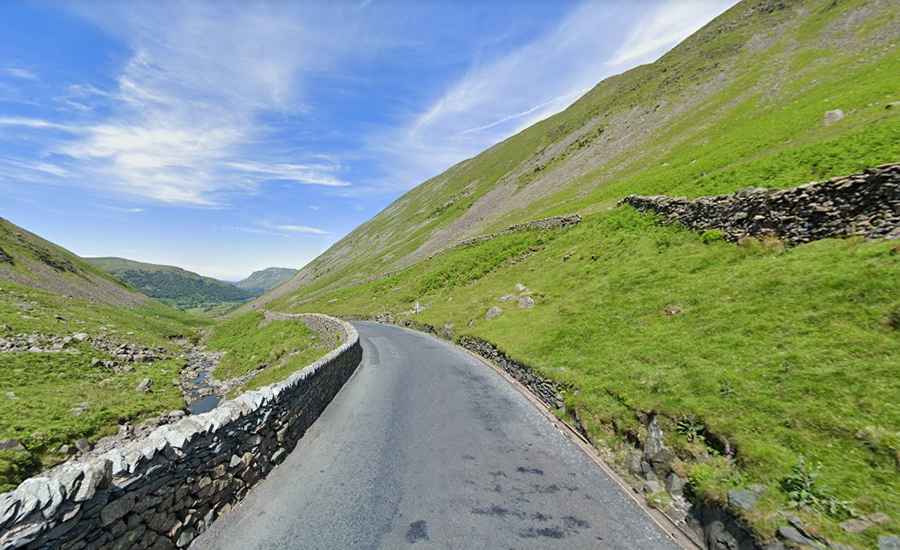
The Kirkstone Pass is a legendary route in the heart of Cumbria. At an altitude of 1,489 feet, it is the highest road in the Lake District accessible to cars. Connecting Ambleside in the Rothay Valley to Patterdale, it is feared for its "extending slopes" and perilous bends. Once at the summit, drivers often face thick mist that can reduce visibility to near zero in seconds. While the view is spectacular, the technical nature of the descent requires absolute concentration and healthy brakes.
2. Snake Pass, The Pennines
With an elevation of 1,679 feet, Snake Pass (A57) is one of the most accident-prone roads in the UK. Originally the main route between Manchester and Sheffield, it earned its name from the winding trajectory that follows the Pennine contours. The 26-mile journey is characterized by adverse cambers and sudden elevation changes. During winter, the road is frequently closed due to ice, as its altitude makes it a magnet for severe weather conditions that the lower valleys often escape.
3. Cat and Fiddle Road, Peak District
The Cat and Fiddle Road, connecting Macclesfield and Buxton, has been repeatedly named the most dangerous road in Britain. Despite the installation of average speed cameras, the 7.5-mile stretch remains packed with dangerous twists and steep drops. The road is particularly hazardous for two-wheeled vehicles due to sudden changes in direction and gradient that can easily catch out riders who are unfamiliar with the technical layout of the A537.
4. Rosedale Chimney Bank, North Yorkshire
Known as the ‘Chain Breaker’ to the cycling community, Rosedale Chimney Bank is a challenge that tests even modern engine torque. It features a maximum incline of 33%, making it one of the steepest paved roads in England. The route involves vertical climbs and fast drops that are completely unsuitable for larger vehicles like caravans or HGVs. In icy or wet conditions, maintaining traction on this North Yorkshire Moors passage is nearly impossible for standard vehicles.
Conclusion: Beyond the Picturesque
These roads offer some of the most stunning vistas in England, but they demand respect. Modern safety features and navigation apps are helpful, but they cannot replace the situational awareness required to navigate a 33% grade or an iced-over mountain pass. Before attempting these routes, ensure your vehicle is in peak mechanical condition and always check the local weather forecasts—the beauty of the English highlands often hides a lethal edge.