Driving the Britain's bendiest roads
In a landscape where classic alpine hairpins are a rarity, Great Britain offers a different kind of challenge: high-frequency, undulating bends that demand constant steering input and precise load management. Some of these sectors exert lateral forces comparable to a professional racetrack. Navigating these ten roads requires more than just speed; it requires a deep understanding of vehicle dynamics and apex clipping in high-consequence environments.
| Route | Sector | Technical Region |
|---|---|---|
| B3081 | Cann Common to Tollard Royal | Dorset / Wiltshire |
| A686 | Penrith to Melmerby | Cumbria |
| A537 | Macclesfield to Buxton (Cat and Fiddle) | Cheshire / Derbyshire |
| A466 | Monmouth to Staunton | Monmouthshire |
| A4061 | Pricetown to Treorchy (Rhigos Pass) | Rhondda, Wales |
| A157 | Louth to Mablethorpe | Lincolnshire |
| B2130 | Godalming to Cranleigh | Surrey |
| B6270 | Keld to Reeth | North Yorkshire |
| A39 | Bridgwater to Minehead | Somerset |
| B797 | Mennock to Wanlockhead | Dumfries and Galloway |
The Anatomy of the Curve: Top Technical Highlights
A537 - The Cat and Fiddle (Cheshire/Derbyshire)
Perhaps the most famous "bendy" road in England. This 7.5-mile stretch between Macclesfield and Buxton is a relentless sequence of technical corners. Despite the 50mph average speed cameras, the road remains a primary destination for those testing lateral grip and suspension damping on its frequent off-camber bends.
A4061 - Rhigos Pass (Wales)
A true Welsh masterpiece. Connecting Pricetown and Treorchy, the Rhigos Pass is one of the few roads in the UK that feels like a continental alpine pass. It features a dramatic switchback section that requires heavy engine braking on the descent and precise throttle management on the climb through the Rhondda Valley.
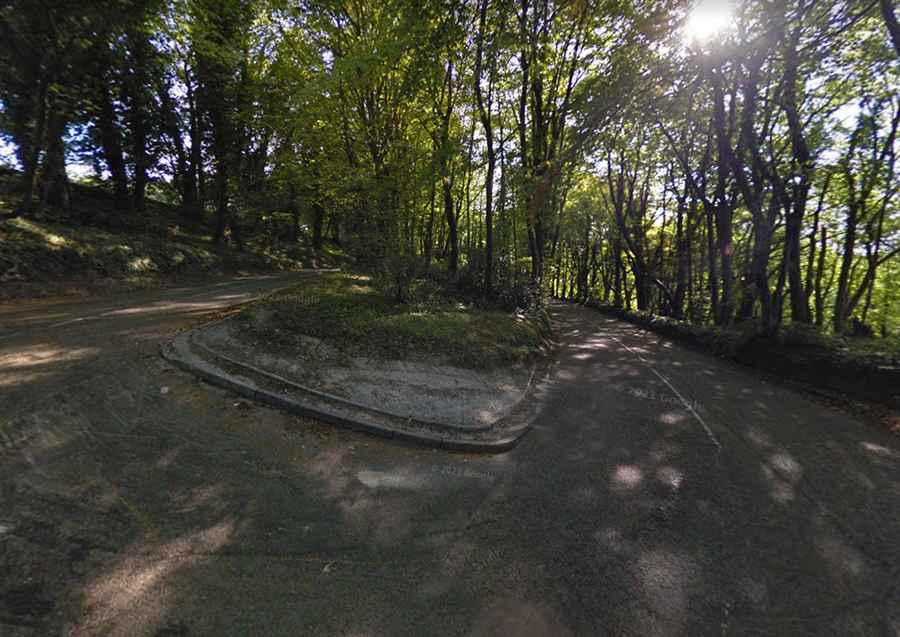
B3081 - Zig Zag Hill (Dorset)
Often officially cited as the "bendiest road in Britain," the section near Cann Common is a concentrated burst of tight hairpins. The elevation changes rapidly, forcing the driver to manage weight transfer across the front axle in a way that is rarely seen elsewhere in the British Isles.
Conclusion: Steering Precision over Raw Power
On these ten roads, horsepower is secondary to steering feedback and braking feel. Whether you are navigating the high-speed sweepers of the A39 in Somerset or the narrow, tree-lined technicality of the B2130 in Surrey, these routes offer a profound connection between the tires and the tarmac. Always ensure your tire pressures are optimized before attempting these sectors, as the continuous lateral loading will test the limits of your vehicle’s contact patch.