Urban Escape: Technical Logistics for Leaving London Toward the High Passes
London is a global hub, but for the driving enthusiast, it represents the ultimate logistical bottleneck. Beyond the iconic landmarks like the Tower of London or the London Eye, the city is a complex maze of Congestion Charge zones, Low Emission Zones (ULEZ), and high-density orbital motorways. Navigating out of the capital this weekend requires more than a GPS; it requires a strategic understanding of the city's arterial exits toward the technical roads of the Midlands and the North.
| London Exit Strategy: Technical Factors | |
|---|---|
| Primary Exit (North) | M1 Corridor toward the Peak District (Snake Pass) |
| Primary Exit (West) | M40 toward Warwick and the Cotswold Ridges |
| Regulatory Zones | ULEZ & Congestion Charge management |
| Transit Time | Allow 90+ mins to clear the M25 orbital during peak hours |
1. The M40 Corridor: From Central London to Warwick
While Warwick Castle is often cited as a tourist destination, for the driver, it marks the psychological boundary where the urban density of Greater London finally gives way to the rolling topography of the Midlands. Built by William the Conqueror in 1066, the castle sits near the junction of major historical transit routes. Leaving London via the M40 this weekend avoids the heavier commercial traffic of the M1 and provides a smoother transition for those heading toward the technical lanes of the Cotswolds.
2. Managing Urban Infrastructure: Beyond the London Eye
Navigating central London near the London Eye (the Millennium Wheel) or the Tower of London is a challenge in situational awareness. The "Square Mile" and the South Bank are high-density zones where vehicle movement is restricted by ancient street patterns and modern pedestrian priority schemes. If your expedition begins in central London, the primary hurdle is clearing the city’s inner ring roads without incurring regulatory fines. Ensure your vehicle’s emissions standards are verified before entering the ULEZ zones.
3. Logistics for Potter-related Studio Transit
The Warner Bros Studio in Leavesden, while famous for the Harry Potter sets, is a significant landmark for those exiting London via the northwest corridor. Located just off the M1 and M25 junction, it marks one of the most congested interchanges in Europe. For drivers heading further north toward the Yorkshire Moors, this sector requires extreme vigilance due to rapid lane-merging and high-speed heavy goods vehicle (HGV) traffic.
4. Historical Navigation: The Tower and the River Crossings
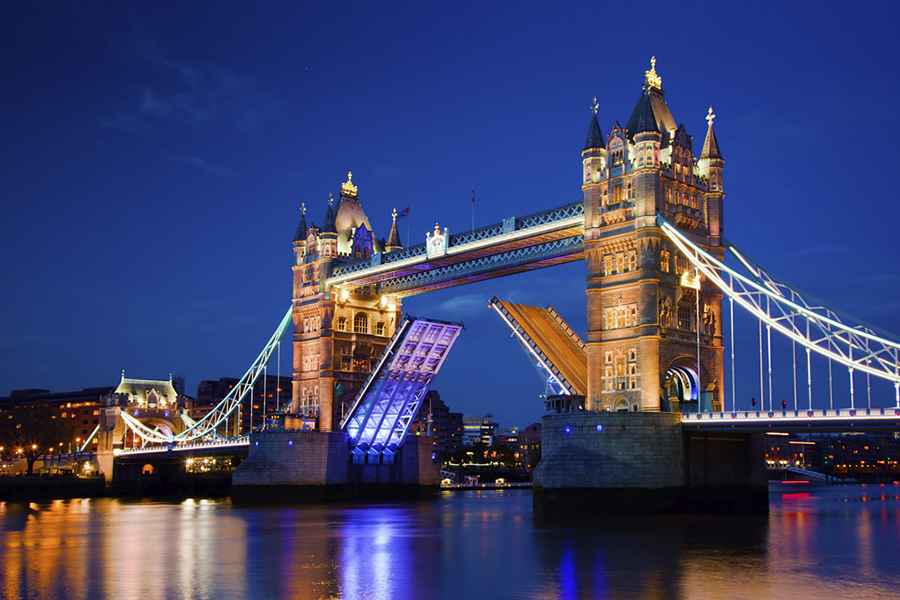
The Tower of London has served as a secure fortress for over 900 years, and its position by the Thames still dictates the flow of traffic across the city’s eastern bridges. When planning your weekend exit, river crossings like the Tower Bridge or the Dartford Crossing (further east) are critical tactical points. A closure or delay at these nodes can add hours to your journey, potentially forcing a night-drive through the unlit, high-consequence rural roads of the Home Counties.
Conclusion: The Strategy of the Exit
London is a city of grandeur and history, from its World Heritage sites to its modern skyscrapers. However, for the road explorer, the true beauty of London lies in the efficiency of the exit. By understanding the logistical layout of the M1, M40, and the orbital M25, you can minimize urban fatigue and reach the technical, scenic roads of the UK interior with maximum mechanical and mental readiness. Plan your exit, check the ULEZ requirements, and leave the city behind for the challenges of the open road.
Image credit: Depositphotos