The UK’s Best Hubs for the Adventure-Minded Driver
The United Kingdom is a complex tapestry of four nations—England, Scotland, Wales, and Northern Ireland—each offering a distinct topographical challenge. For the serious road enthusiast, "open-minded" tourism means moving beyond the standard landmarks to explore the industrial engineering of the North, the disappearing coastal roads of the West, and the high-altitude passes of the Highlands. Here are five essential hubs for those seeking a deeper technical understanding of the British landscape.
| UK Exploration Hubs: Driving Profiles | |
|---|---|
| Manchester | Gateway to the Peak District (Snake Pass & Cat and Fiddle) |
| Scottish Highlands | High-altitude passes and single-track technicality |
| Belfast | Access to the Causeway Coastal Route and Glens of Antrim |
| Cardiff | The "Dragon’s Spine" south-to-north traverse gateway |
1. Manchester: The Industrial Gateway to the Peaks
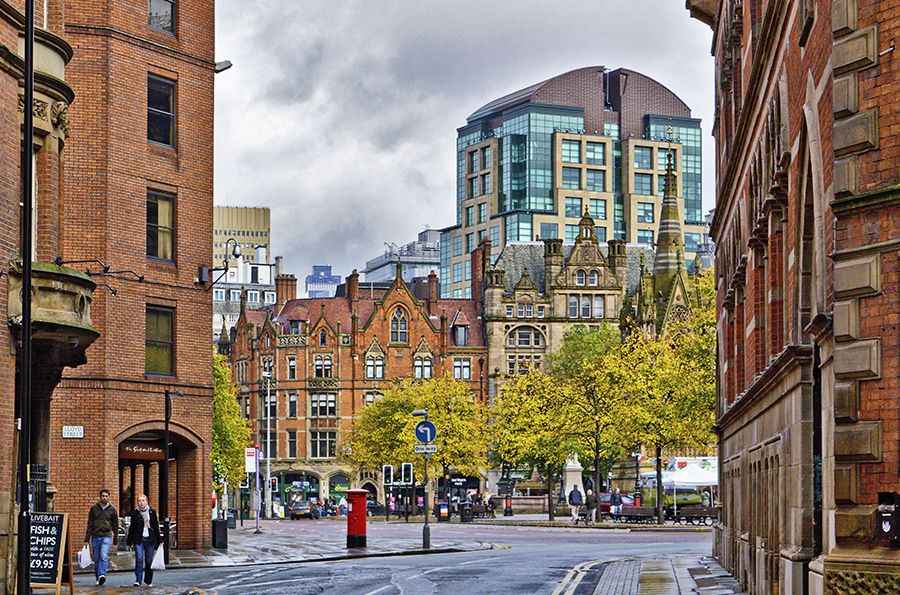
In the North West of England, Manchester serves as more than just a cultural hub; it is the strategic starting point for some of the most technical roads in the country. To the east lies the Peak District, featuring the infamous Snake Pass (A57) and the Cat and Fiddle Road (A537). Navigating out of Manchester’s complex urban ring roads into these high-altitude Pennine crossings requires a rapid transition from city driving to managing adverse cambers and steep gradients.
2. The Scottish Highlands: The Ultimate Technical Gem
The Scottish Highlands provide the perfect blend of romance and mechanical adventure. Far from being a "hidden gem," it is the definitive destination for those who seek rugged roadways and mountainous scenery. From the hairpins of the Bealach na Bà to the remote single-track roads of the North Coast 500, this region demands an open mind regarding weather preparedness and fuel logistics, as help can be hours away.
3. Belfast: Coastal Exposure and the Antrim Plateaus
Northern Ireland’s capital, Belfast, is the gateway to the Causeway Coastal Route. This road winds past the Glens of Antrim and offers high-exposure drives along the Atlantic cliffs. For the modern traveler, Belfast represents a forward-looking city that has repurposed its industrial heritage into a hub for exploration, leading drivers toward the technical challenges of the Carrick-a-Rede rope bridge area and the dramatic basalt columns of the north coast.
4. Cardiff: The Portal to the Welsh Mountains
Cardiff is the southern terminus for those wishing to drive the "Dragon's Spine"—a traverse that crosses the heart of Wales. From the coalfields of the south to the peaks of Snowdonia (Eryri), the route from Cardiff is steeped in history and technicality. The Welsh landscape requires drivers to be comfortable with narrow, high-hedged lanes and sudden, vertical climbs through the Brecon Beacons, where the weather can shift the road's grip levels in seconds.
5. Notting Hill: Urban Navigation in West London
While often seen through the lens of cinema, Notting Hill in West London offers a study in the complexity of metropolitan driving. Navigating the narrow, Victorian-era streets and the high-density traffic nodes of the A40 requires precise vehicle control and constant situational awareness. It serves as a reminder that even in the most "Bohemian" urban settings, the road remains a technical challenge defined by its historic architecture.
Conclusion: Exploring the British Character
To truly understand the UK, one must drive its diverse arteries. Whether it is the rugged passes of the Highlands or the technical urban grids of Manchester and London, the British road network offers aCOURTEOUS but demanding introduction to each nation's character. Prepare your vehicle, study the topography, and keep an open mind—not just for the scenery, but for the engineering challenges that lie around every bend.
Image credit: Depositphotos