Driving the most dangerous and steep mountain passes in the UK
The UK road network is a brutal mix of ancient, narrow tracks and high-altitude mountain passes that catch many drivers off guard. From the rain-soaked asphalt of the Pennines to the vertical drops of the Lake District, these routes are less about the views and more about survival for your brakes and tires. If you are heading out to tackle these sectors, you need to forget the postcard images and focus on the ruts, the standing water, and the steep ramps that will push any standard vehicle to its mechanical limit.
| Road facts: UK High-Conflict Routes | |
|---|---|
| Steepest Climb | Porlock Hill (25% gradient) |
| Highest Risk | Snake Pass (A57) - Ice and landslides |
| Surface Conditions | Broken asphalt, moss, and standing water |
| Mechanical Strain | Brake fade and clutch wear |
How dangerous is the drive through Snake Pass (A57)?
The Snake Pass is a notorious high-altitude crossing in the Pennines that is often the first to be closed when the weather turns. The road surface is deceptive; the cambers are uneven, and the asphalt is frequently slick with oil and mist. Landslides are a constant problem here, often leaving debris or deep cracks in the middle of a bend. You have to keep a sharp eye on the temperature gauge as you climb toward the summit at 512 meters, and be ready for sudden patches of black ice that can send your vehicle sliding toward the stone walls with zero warning.
Can your vehicle handle the 25% gradient of Porlock Hill?
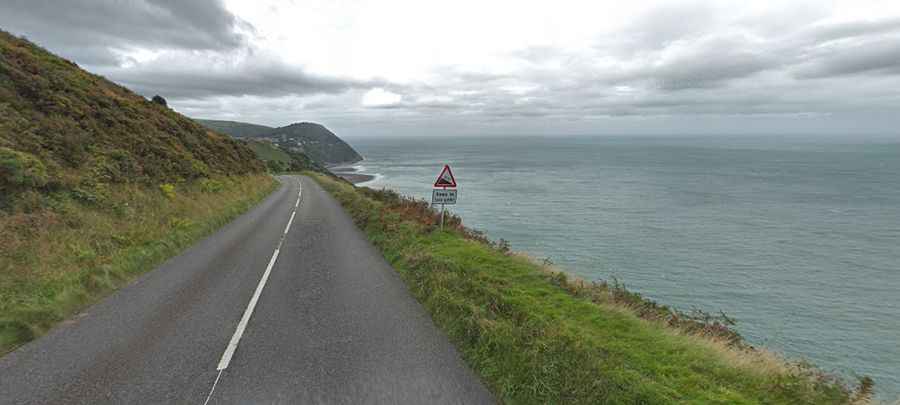
Located on the A39, Porlock Hill is a mechanical nightmare. With a maximum gradient of 25%, it is the steepest A-road in England. If you are driving a heavy vehicle or towing a trailer, this climb will find any weakness in your drivetrain within seconds. You need to be in the lowest gear possible before you hit the first hairpin, or you risk stalling and burning out your clutch. On the way down, the risk of brake fade is real; if you don't use heavy engine braking, your pads will smoke and glaze over, leaving you with no stopping power on the steep descents toward the coast.
What are the hazards of driving the Hardknott and Kirkstone passes?
The Lake District holds some of the tightest and most vertical roads in the country. Hardknott Pass, in particular, is a single-track road with hairpins so sharp that long-wheelbase vehicles often have to shunt back and forth just to make the turn. The ground is often covered in loose gravel and sheep droppings, making traction a gamble on the 30% ramps. Kirkstone Pass is just as demanding, especially when the fog rolls in and hides the stone walls that sit right at the edge of the tarmac. There are no runoff areas here; if you miss a gear or a braking point, the stone walls or the ravine are the only things that will stop you.
How does the Welsh rain affect the Dragon’s Spine route?
The coast-to-coast route through Wales, often called the Dragon’s Spine, takes you through the heart of the Brecon Beacons and Snowdonia. The main hazard here is the standing water. The Welsh rain is relentless, and the drainage on these old mountain roads is often blocked by peat and debris. This leads to aquaplaning risks on the high-speed sectors and deep puddles in the dips that can hide potholes large enough to snap a suspension linkage. The road is narrow, and the drops into the valleys are vertical, requiring absolute focus on your line, especially when meeting furgonetes or trucks coming the other way.
What should you check before driving through the North York Moors?
The high ground of the North York Moors is a masterclass in exposure. The road from Helmsley to Staithes is wide open to crosswinds that can push a high-sided vehicle right off its line. Before heading out, you must check your tire pressures and the integrity of your wipers. The fog here is thick and can drop visibility to less than five meters in seconds. The road surface is often covered in fine grit and mud from local tractors, which turns the asphalt into a skating rink when mixed with light rain. It is a slow, grinding drive where your transmission and your tires are under constant stress from the rolling terrain.