Vehicle Identification: A Guide to UK License Plates and Regulations
For those driving in the United Kingdom, whether as a resident or on a long-distance expedition, understanding the vehicle registration system is essential. UK license plates (number plates) are more than just identification; they follow a strict chronological and regional coding system that has evolved significantly since the early 20th century. Navigating the legalities of buying, transferring, or personalizing these plates is a unique part of British motoring culture.
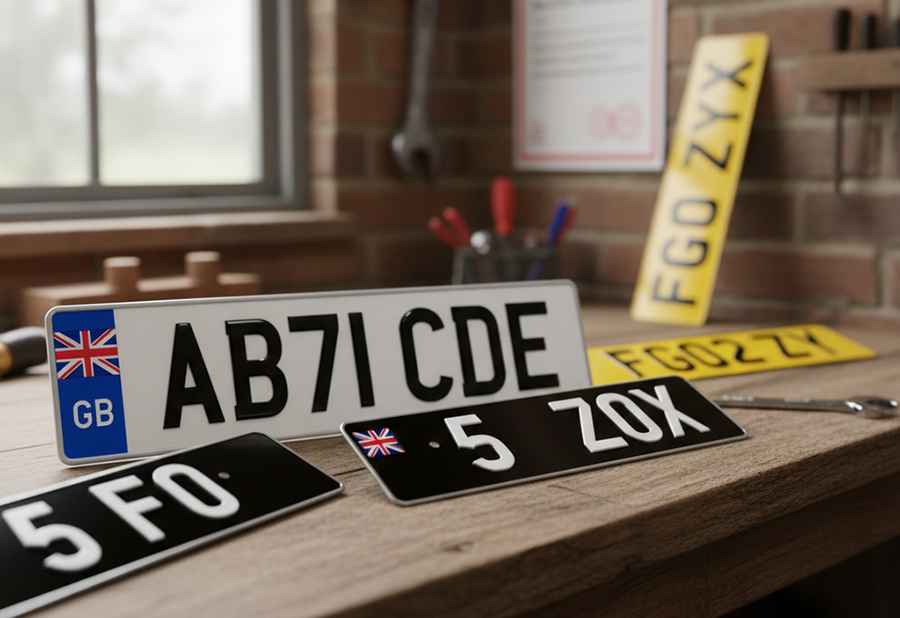
| UK Number Plate Fast Facts | |
|---|---|
| Modern Format | 2 letters (Region) + 2 digits (Age) + 3 random letters. |
| Pre-1963 Plates | Highly valuable; can be assigned to vehicles of any age. |
| Legal Agency | DVLA (Driver and Vehicle Licensing Agency). |
| Font Standards | Strict "Charles Wright" font; stylized letters are prohibited. |
1. Decoding the Modern British Plate
Since 2001, the standard UK number plate has provided clear data at a glance. The first two letters (the local memory tag) identify where the vehicle was first registered. The two following digits (the age identifier) change every six months (March and September). This system allows road users and authorities to instantly determine the age and origin of any vehicle on the road. For the enthusiast, selecting a specific combination within the final three-letter block is the first step toward personalization.
2. The Market for Private and "Dateless" Plates
The UK has a robust market for private registrations. These range from modern "prefix" or "suffix" styles to the highly coveted "dateless" plates issued before 1963. These older plates are unique because they do not carry an age identifier, allowing them to be displayed on any vehicle regardless of its year of manufacture. While standard plates are inexpensive, unique combinations like "F 1" or those matching common names can reach staggering prices at auction.
3. Legal Restrictions and British Standards
The DVLA maintains strict control over plate aesthetics to ensure readability for ANPR (Automatic Number Plate Recognition) cameras. It is illegal to use stylized fonts, background images, or non-approved flags. Plates must be made of reflective material (white for the front, yellow for the rear) and adhere to the British Standard (BS AU 145e). Using "cloned" or non-compliant plates can result in heavy fines and the permanent withdrawal of the registration mark.
4. How to Acquire a Registration: Auctions and Dealers
There are three primary ways to buy a specific plate in the UK:
- DVLA Auctions: Held several times a year, these are the official source for never-before-issued marks.
- Private Dealers: Certified dealers act as brokers, handling the complex paperwork and transfer fees (assignment fees) on your behalf.
- Direct Purchase: Buying from an individual owner, which requires a formal transfer of the V750 or V778 retention document.
Conclusion
Whether you are looking to hide the age of an older vehicle with a dateless plate or simply want to personalize your expedition rig, the UK system offers plenty of flexibility within a rigid legal framework. Always ensure your purchase is through a trusted channel to avoid scams and ensure that your vehicle remains fully compliant with the laws of the road.