How challenging is the climb to Pfaffenbichl from Hochfügen?
Pfaffenbichl is a high mountain peak at an elevation of 2,303m (7,555ft) above sea level, located in the Tyrol province of western Austria. Situated in the Zillertal Valley, the summit is part of a rugged alpine landscape dominated by ski infrastructure and rocky ridges.
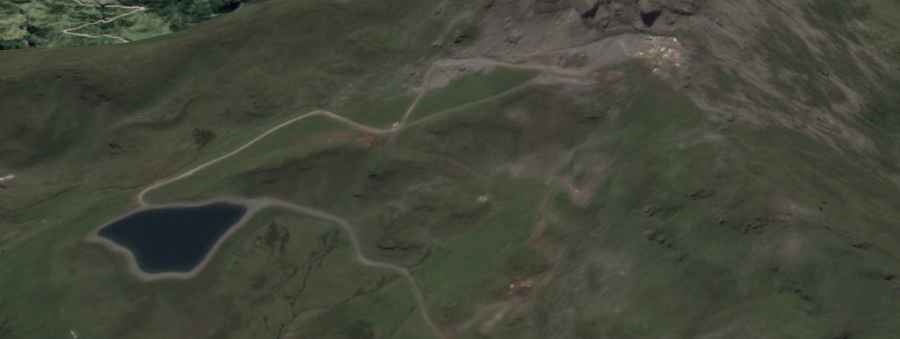
The road to the summit is a demanding mountain track used primarily for ski-station maintenance. It is a high-altitude environment where the track is only clear of snow for a very short window during the summer. This route is not for the faint of heart, as it climbs directly up the mountain flank with very little respite, offering spectacular but dizzying views of the Tux Alps.
| Road facts: Pfaffenbichl | |
|---|---|
| Location | Tyrol, Austria |
| Elevation | 2,303m (7,555ft) |
| Starting Point | Hochfügen |
| Length | 7.0 km (4.35 miles) |
| Elevation Gain | 835 m |
| Average Gradient | 11.92% |
| Surface | Gravel / Rocky |
What is the road to Pfaffenbichl like?
The ascent to the summit is a grueling test of both vehicle and driver. Starting from the mountain resort of Hochfügen, the road spans 7.0 km (4.35 miles). Over this relatively short distance, you face an impressive elevation gain of 835 meters. The drive is characterized by its unrelenting steepness, maintaining an average gradient of 11.92%, with several ramps being significantly steeper, reaching up to 30% in the upper rocky sections.
Is it safe to drive to the Pfaffenbichl summit?
The surface consists of loose stones and gravel, making traction a constant struggle, especially on the hairpins. A high-clearance 4WD vehicle is mandatory due to the rough nature of this ski-station service road. The track is narrow and exposed, with strong winds being a common factor throughout the year. Because it serves the local lift facilities, you may encounter maintenance machinery along the way. Even in the height of summer, snowy days can occur at this altitude, so it is crucial to check the weather forecast before attempting the climb. The narrow timeframe at the end of August is often the only time the road is completely free of deep snowbanks.