Driving to Roseggerhaus: A steep 20% Alpine climb in Styria
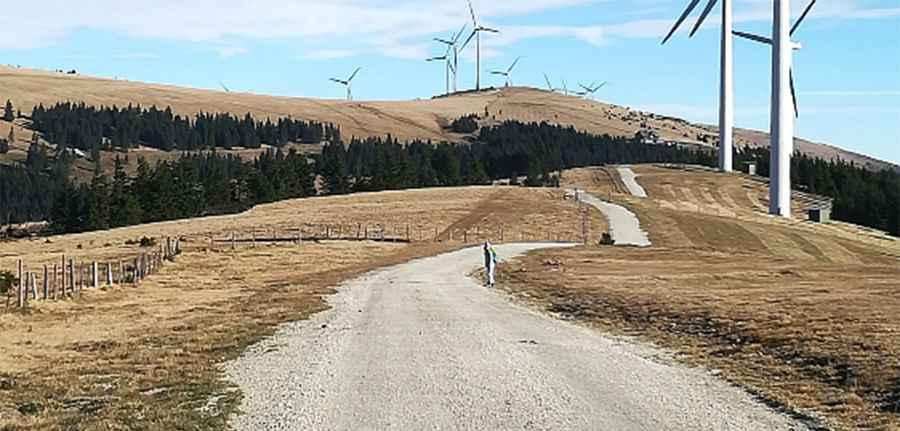
Roseggerhaus is an Alpine mountain hut situated at an elevation of 1,576 meters (5,170 ft) above sea level in the Fischbach Alps, in the northeastern part of Styria, Austria. The short, mountain route leading to the original 1900 shelter is a steep ascent that turns from asphalt to rough, unpaved gravel with severe gradients.
| Road facts: Roseggerhaus | |
|---|---|
| Location | Styria, Austria (Fischbach Alps) |
| Elevation | 1,576 m (5,170 ft) |
| Length | 4.7 km (2.9 miles) from Klaffenegg |
| Elevation Gain | 488 m |
| Max Gradient | 20% |
| Surface | Partially paved / Rough gravel and dirt |
How challenging is the 20% climb to Roseggerhaus?
The mountain track starts near Klaffenegg and climbs for 4.7 kilometers, gaining 488 vertical meters before reaching the alpine hut. While the average gradient stands at 10.38%, the hardest sections feature sustained ramps that hit a 20% slope.
Is the road to Roseggerhaus unpaved?
The road comprises old, broken pavement that quickly changes into loose forest gravel. The route incorporates 5 sharp mountain hairpins with no guardrails or side markers, where long vehicles run the risk of bottoming out or losing traction on the loose stone patches.
How do weather hazards affect the road to Roseggerhaus?
Set high in the Fischbach Alps, heavy winter snowfalls completely block the mountain track from October until early June. Regional authorities perform no snow removal or maintenance during these months. In the summer, sudden heavy downpours turn the unpaved 20% gravel ramps into a slick mud trap that clogs tire treads and causes wheels to spin out.
Pic: Sonja Prinz