Driving to the Special Astrophysical Observatory: A steep Caucasus climb
Located in the Zelenchuksky District on the northern slopes of the Caucasus Mountains, the road to the Special Astrophysical Observatory (SAO RAS) is one of the most significant high-altitude paved climbs in southern Russia. Reaching an elevation of 2,098m (6,883ft) above sea level near Mount Pastukhova, this route was engineered to transport massive scientific equipment, including the BTA-6, once the largest optical telescope in the world. It is a journey that combines Soviet engineering history with the raw, vertical scale of the Caucasus.
| Road facts: Special Astrophysical Observatory | |
|---|---|
| Location | Karachay-Cherkess Republic, Russia |
| Elevation | 2,098 m (6,883 ft) |
| Length | 16.4 km (10.2 miles) |
| Elevation Gain | 928 m |
| Average Gradient | 5.65% |
How challenging is the R285 ascent to the Special Astrophysical Observatory?
Starting from Nizhnii Arkhyz, the road to the Special Astrophysical Observatory covers 16.4 km of relentless climbing. While the average gradient is 5.65%, the reality on the ground is a series of sustained ramps where the incline feels much steeper for heavy vehicles. The R285 is fully asphalted, but the quality of the surface can be unpredictable due to the extreme temperature swings of the Caucasus. Driving this route requires a focus on cooling and braking systems; you are gaining nearly 1,000 meters of vertical elevation, which means your engine will be under constant load while the thin mountain air reduces its efficiency.
What are the hazards of driving the R285 in the Caucasus?
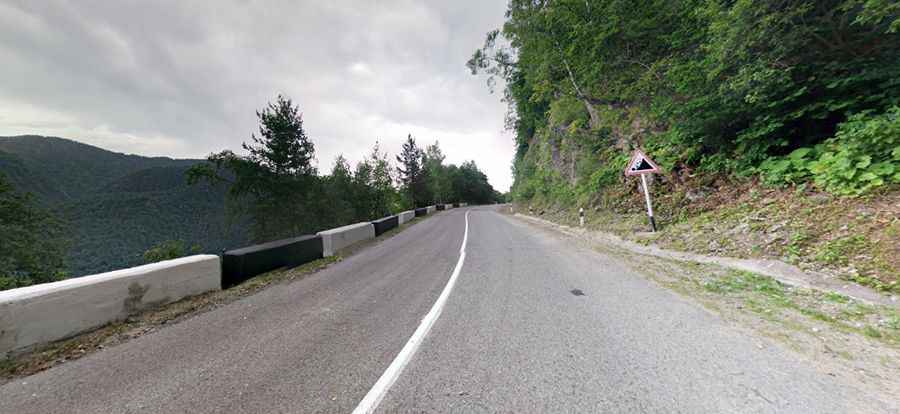
The primary hazards on the way to the observatory are the steep, unprotected drops and the frequent rockfalls from the limestone cliffs. As seen in the local topography, the road is carved into the side of Mount Pastukhova, with sections where the forest gives way to exposed slopes. During the winter and shoulder seasons, the asphalt can hide dangerous patches of black ice, and heavy fog often settles over the peaks, reducing visibility to a few meters. Despite being a paved route, it is a high-mountain environment where the weather can flip in minutes, turning a routine scientific transit into a technical challenge for the brakes on the long descent back to the valley.
Why is the road to the Special Astrophysical Observatory a logistical marvel?
Built in 1976 to service the BTA-6 telescope, the infrastructure of the Special Astrophysical Observatory road had to be robust enough to handle the transport of a 42-ton primary mirror. The wide curves were designed for heavy logistics, but for a regular driver, they offer a sweeping, high-speed descent that can quickly overheat brakes if not managed with engine braking. There are no facilities or gas stations along the 16.4 km climb, so ensuring your vehicle has a full tank and a healthy cooling system is mandatory before leaving Nizhnii Arkhyz. This is a journey through one of Eurasia's most impressive scientific nodes, where the asphalt literally ends at the edge of the stars.
Pic: Евгений М