Driving a paved road to the historic Oituz Pass in Transylvania
Oituz Pass is a mountain pass at an elevation of 868 m (2,847 ft) above sea level, located in Covasna County, Romania. It’s a pass with significant historical importance in the country.
Where is Oituz Pass?
The pass is located in Transylvania, in the eastern part of the country. At the summit, there’s a communication tower.
Why is Oituz Pass important?
The pass has always been one of the most important gates into Transylvania. Archaeological research shows that it was used at least as far back as the Neolithic period. It was part of the shortest route between Transcarpathian Dacia and the mouths of the Danube River, with frequent use indicated by the presence of the Roman fort Angustia at Brețcu. Additionally, it served as an easy entry point for invading migratory populations, such as the Mongol forces in 1241–1242, after they destroyed the Bishopric of Cumania.
During the Middle Ages, Oituz Pass represented the most important route between regions east of the Carpathians and Transylvania. It served as both a commercial road, connecting Brașov and Țara Bârsei with the Danube ports (such as Chilia) and with Suceava, and as a migration route under harsh historical conditions. In 1467, the army of Matthias Corvinus passed through on its way to Moldova, and in 1576, István Báthori traveled this route to become King of Poland. Mihai Viteazul also passed through in 1600 with a military force to confront Ieremia Movilă. The pass was also the site of several battles, most notably during World War I.
Is Oituz Pass paved?
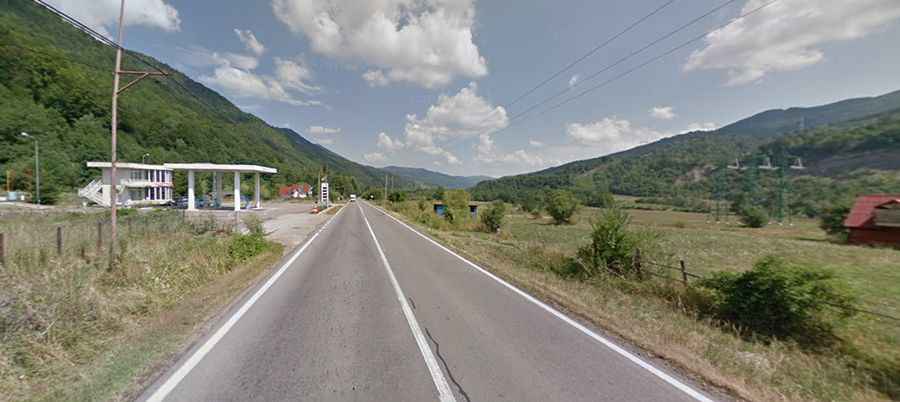
The road through the pass is called National Road 11 – DN11 (part of European Route 574). It’s fully paved, in good condition, pretty steep, and very curvy, with 14 hairpin turns.
How long is Oituz Pass?
Set high in the Eastern Carpathians, the pass is 12.2 km (7.58 miles) long, running east-west from Oituz to Brețcu. The road was constructed by the Austro-Hungarian Empire in 1847.
Is Oituz Pass worth the drive?
The drive is very scenic, running through medieval ruins, historic monuments, and picturesque countryside. In summer, you can find street vendors selling mushrooms along the road. Throughout history, the pass played a major strategic role in various conflicts, being the site of important battles during World War I. Today, the road winds through this steep landscape, offering travelers spectacular views, access to mountain trails, and nearby cultural attractions.