Driving Croatia: High-altitude passes and coastal climbs
Croatia is often celebrated for its turquoise Adriatic waters and historic coastal cities, but for the serious driver, its true allure lies in the rugged Dinaric Alps. Navigating Croatia by road means tackling some of the steepest paved ascents in Europe, where the asphalt clings to limestone cliffs and ancient gravel passes offer a glimpse into the country's turbulent history. Beyond the beaches, Croatia offers a technical driving experience that rivals any Alpine destination.
Researching your routes before traveling is essential in Croatia, as many of the most scenic mountain roads are extremely narrow, with blind corners and significant vertical drops that require experienced handling.
The Vertical Challenge: Sveti Jure
The crown jewel of Croatian driving is undoubtedly the road to Sveti Jure. As the highest paved peak in the Biokovo range, the road reaches 1,762 meters above sea level. It is a grueling, narrow climb where two cars often struggle to pass each other. The views from the top are unparalleled, stretching across the Adriatic to Italy on clear days, but the ascent demands total concentration and a vehicle in peak mechanical condition due to the constant steep gradients.
Off-Road Heritage: The Mali Alan Pass
For those who prefer gravel and history, the Mali Alan Pass is a legendary route across the Velebit mountain range. This historic road, built in the 19th century, was a strategic point during various conflicts and served as a filming location for classic Winnetou films. Today, it remains a favorite for adventure motorcyclists and 4x4 enthusiasts. The limestone formations and the desolate, wind-swept landscape provide a stark, beautiful contrast to the lush coastal scenery below.
The Dubrovnik Overlook: Mount Srđ
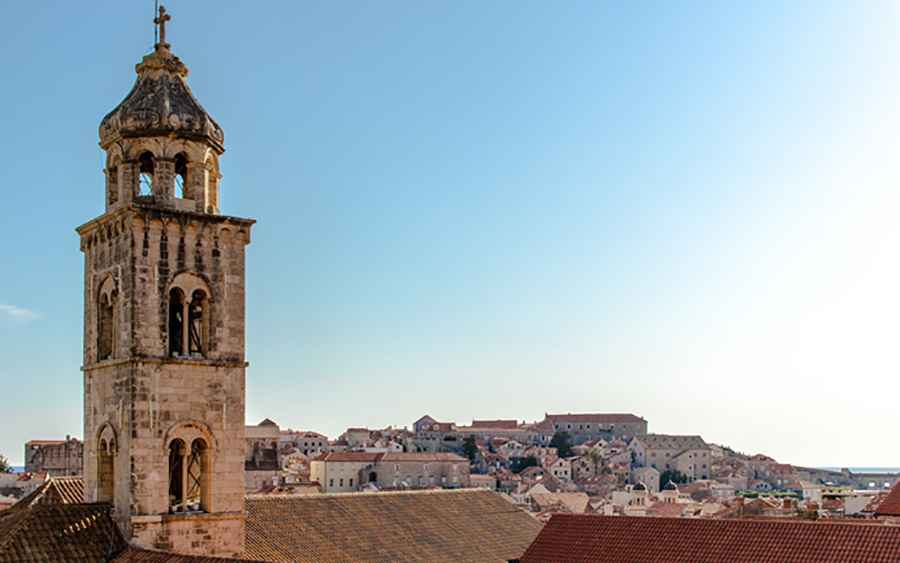
Rising directly behind the walled city of Dubrovnik, Mount Srđ offers one of the most iconic panoramas in the Mediterranean. The drive up is short but intense, consisting of a series of tight, steep switchbacks. While many tourists take the cable car, driving the route allows you to appreciate the defensive positioning of the Imperial Fort at the summit. The road is narrow, so be prepared to reverse into passing bays for local traffic.
Coastal Mastery: The Adriatic Highway (Magistrala)
No driving guide to Croatia is complete without mentioning the Jadranska Magistrala (D8). Running the length of the coast, this road is considered one of the most beautiful in the world, but it is also one of the most dangerous. With its relentless curves, heavy summer traffic, and high-speed sections carved into the cliffs, it requires a "defensive driving" mindset. It is the backbone of any Croatian road trip, connecting the vertical mountain detours mentioned above.
Exploring the Hinterland Caves and Parks
Away from the coast, Croatia's karst topography has created a landscape riddled with deep caves and underground rivers. While exploring these natural wonders, it is essential to go with a guide, as many cave systems in the national parks are deep and can be hazardous for the unprepared. Similarly, when driving through remote areas like the Plitvice or Krka hinterlands, ensure you stay on marked tracks, as these regions are as wild as they are beautiful.
Croatia is a great place for a driving vacation, mainly because it offers a unique combination of high-altitude technicality and coastal beauty. By focusing on the mountain passes and historic routes, you will discover the true, rugged essence of the Balkans. Plan your trip around these peaks, and you'll experience a side of Croatia that most travelers never see.