What are the most spectacular roads in Bulgaria?
Tucked away in the crossroads of Europe and Asia, on the eastern part of the Balkan Peninsula, Bulgaria is home to wonderful driving experiences. If you’re travelling to the country, remember to drive the scary road to Devil’s Throat Cave, an entrance to the underworld, through Trigrad Gorge. When driving through the Smolyan Province, oncoming traffic can be a nightmare. A similar road, in terms of beauty and road conditions, is the road through Buynovo Gorge, a Bulgarian cliff road. Don’t forget, in Bulgaria, every road is more than just a stretch of tarmac. It's a passage through time, nature, and legends.
The landscape of the country is diverse, featuring plains, plateaus, and mountains. So, if you prefer mountain roads, Botev Peak is the highest road of the Balkan Mountains. It’s a mountain peak at 2,376m (7,795ft) above sea level, on the boundary between Lovec and Plovdiv provinces. It’s one of the highest roads in Bulgaria..
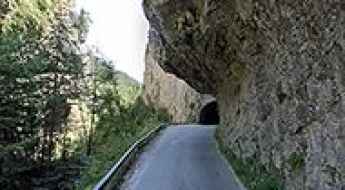
The scary road to Devil’s Throat Cave, an entrance to the underworld, through Trigrad Gorge
Located in the Smolyan Province of Bulgaria, the road through Trigrad Gorge, leading to Devil’s Throat Cave, is stunning. Oncoming traffic is a nightmare.
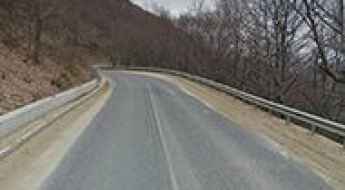
A paved mountain road to Shipka Pass in Bulgaria
Shipka Pass is a mountain pass at an elevation of 1.190m (3,904ft) above sea level, located on the boundary between Stara Zagora and Gabrovo provinces of Bulgaria. The pass was the site of many historic battles.
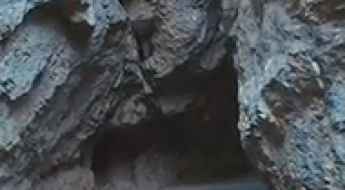
Driving through Buynovo Gorge, a Bulgarian cliff road
Buynovo Gorge is a very scenic limestone canyon located in the Smoljan Province of Bulgaria. The road through the gorge is pretty challenging yet scenic.
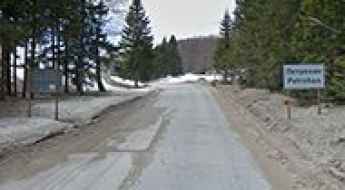
The Ultimate Road Trip to Petrohan Pass in the Balkan Mountains
Petrohan Pass is a mountain pass at an elevation of 1.407m (4,616ft) above sea level, located on the boundary between Montana and Sofia provinces, in Bulgaria.
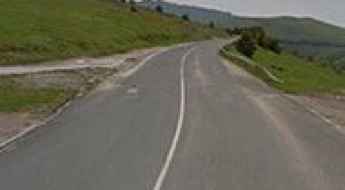
A sensational road to Beklemeto Pass in the Balkan Mountains
Beklemeto Pass is a high mountain pass at an elevation of 1,525m (5,003ft) above sea level, located in Bulgaria.
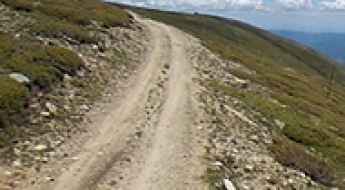
Botev Peak is the highest road of the Balkan Mountains
Botev Peak is a high mountain peak at 2,376 meters (7,795 feet) above sea level, located between Lovec and Plovdiv provinces in Bulgaria. It’s one of the highest roads in the country.
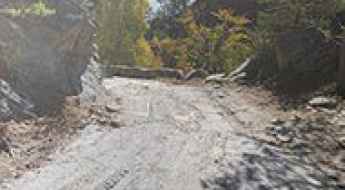
Kalin Reservoir is one of the highest mountain roads of Bulgaria
Kalin Reservoir is a high mountain reservoir at an elevation of 2.398m (7,867ft) above sea level, located in the Kyustendil Province of Bulgaria. It’s one of the highest roads in the country.
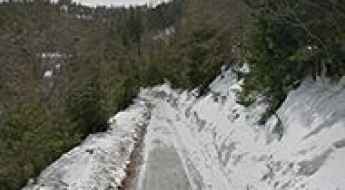
How to get by car to Belmeken Reservoir in Bulgaria?
Belmeken is a high mountain reservoir at an elevation of 1,932m (6,338ft) above sea level, located in the Pazardzhik Province of Bulgaria.
What are the highest roads in Bulgaria?
Located in southeastern Europe on the Balkan Peninsula, the Republic of Bulgaria may be Europe's 16th-largest country, yet it boasts a remarkable diversity of topographical features. Over one-third of its territory is dominated by impressive mountain ranges, most notably the formidable Rila, Pirin, and the lengthy Balkan Mountains. This landscape transitions dramatically from the Black Sea coast to snow-capped peaks, creating a high-relief environment.
Road trip guide: Conquering Mount Perelik
Golyam Perelik is a high mountain peak at an elevation of 2,180m (7,152ft) above sea level, located in Smolyan Province, in Bulgaria.
Driving the Wild Unpaved Road to Goljam Medarnik in the Rila Mountains
Goljam Medarnik is a high mountain pass at an elevation of 2,541m (8,336ft) above sea level, located in Sofia Province, Bulgaria. It’s one of the highest roads in the country.
A Paved Road to Pass of the Republic
Pass of the Republic is a mountain pass at an elevation of 700m (2,297ft) above sea level, located in Bulgaria.
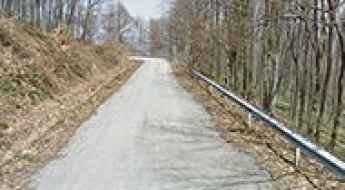
A classic road trip to Varbitsa Pass
Varbitsa Pass is a mountain pass at an elevation of 900m (2,953ft) above sea level, located on the boundary between Burgas and Shumen provinces in Bulgaria.
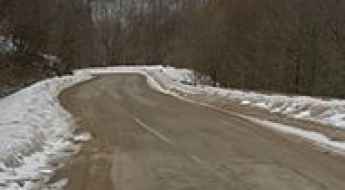
A memorable road trip to Vratnik Pass in the Balkan Mountains
Vratnik Pass (Door Pass) is a mountain pass at an elevation of 921m (3,021ft) above sea level, located in Sliven Province, Bulgaria.
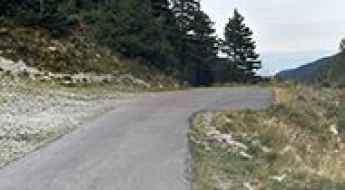
A Memorable Road Trip to Vihren Chalet
Vihren Chalet is a high mountain refuge at an elevation of 1,981m (6,499ft) above sea level, located in Blagoevgrad Province of Bulgaria.
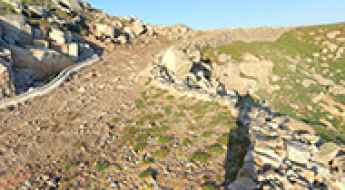
How to get by car to Karagyol Reservoir?
Karagyol is a high mountain reservoir at an elevation of 2,359 m (7,739 ft) above sea level, located in Kyustendil Province, in Bulgaria. It’s one of the highest roads in the country.
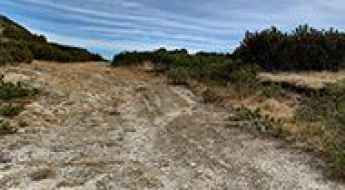
The breathtaking road to Dzhanka Saddle
Dzhanka Saddle is a high mountain pass at an elevation of 2.346m (7,696ft) above sea level, located in Bulgaria. It’s one of the highest roads in the country.
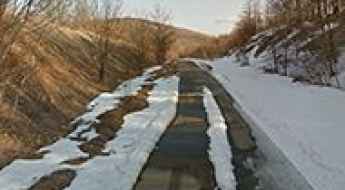
The breathtaking drive from Shanovo to Kolena
Set high in Stara Zagora Province in the historical region of Thrace of Bulgaria, the mountain road from Shanovo to Kolena is not for the faint of heart.
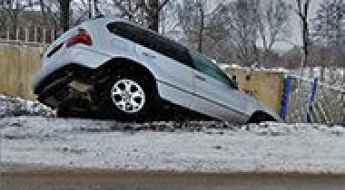
Bulgaria has the EU’s deadliest roads
The Road death rate in Bulgaria was the highest in the EU in 2016, according to figures released by the European Commission.
How to drive the unpaved track to Ruen Peak?
Ruen Peak is a high-altitude border crossing at an elevation of 2,246m (7,368ft) above sea level, situated on the boundary between southwestern Bulgaria and northeastern North Macedonia. Located in the Osogovo mountain range, the route to the summit is a totally unpaved track. Driving this sector requires a high-clearance 4x4 vehicle to handle the technical logistics of a mountain ridge path that is completely exposed and lacks any form of safety barriers.
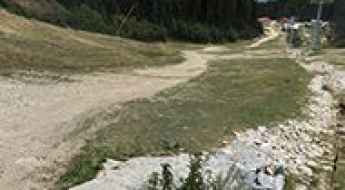
Todorka
Todorka is a high mountain peak at an elevation of 2.534m (8,313ft) above the sea level, located in Blagoevgrad Province, also known as Pirin Macedonia, a province of southwestern Bulgaria. It’s one of the highest mountain roads of the country.
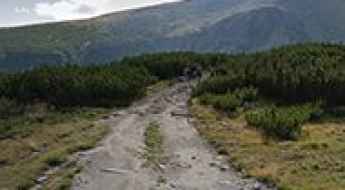
Musalenski Ezera
Musalenski Ezera is a high mountain lake at an elevation of 2.399m (7,870ft) above the sea level, located in Sofia Province in southwestern Bulgaria, within the Borovets mountain resort. It’s one of the highest mountain roads of the country.
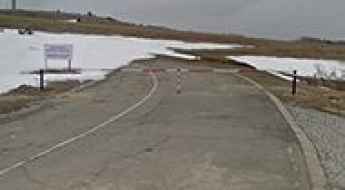
Buzludzha Peak
Buzludzha Peak is a high mountain peak at an elevation of 1.416m (4,645ft) above the sea level, located in central Bulgaria.
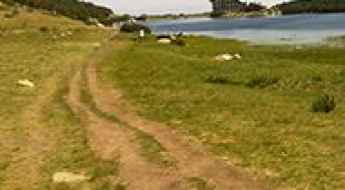
Bezbog Lake
Bezbog is a high mountain lake at an elevation of 2.242m (7,355ft) above the sea level, located in Blagoevgrad Province, also known as Pirin Macedonia, a province of southwestern Bulgaria.
Yastrebets Summit
Yastrebets Summit is a high mountain peak at an elevation of 2.358m (7,736ft) above the sea level, located in Sofia province, in southwestern Bulgaria, within the Borovets mountain resort. It’s one of the highest mountain roads of the country.
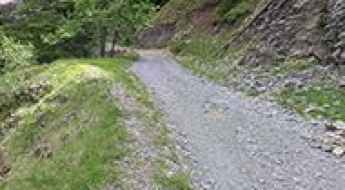
Mazalat
Mazalat is a high mountain peak at an elevation of 2.269m (7,444ft) above the sea level, located in Stara Zagora province of south-central Bulgaria.
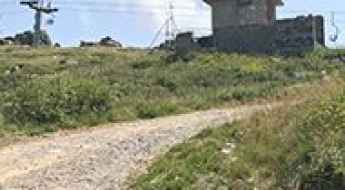
Cherni Vrah
Cherni Vrah (Black Peak) is a high mountain peak at an elevation of 2.274m (7,460ft) above the sea level, located in Pernik Province, in western Bulgaria.
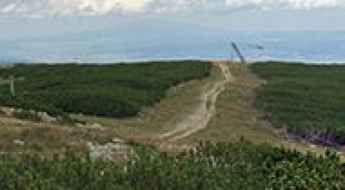
Markudzhik
Markudzhik is a high mountain peak at an elevation of 2.479m (8,133ft) above the sea level, located in Sofia province, in southwestern Bulgaria, within the Borovets mountain resort. It’s one of the highest mountain roads of the country.
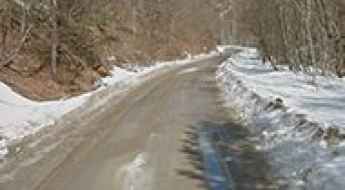
Kartala Resort
Kartala is a ski resort at an elevation of 1.453m (4,767ft) above the sea level, located in Blagoevgrad Province, in southwestern Bulgaria.
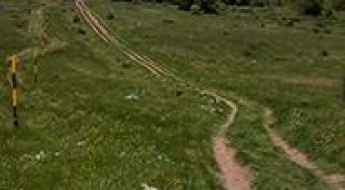
Golyam Kupen
Golyam Kupen is a high mountain peak at an elevation of 1.870m (6,135ft) above the sea level, located in Vitosha Mountain, Bulgaria. The average gradient is 16.92% with some sections up to 25%.
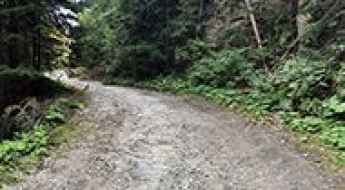
Zavratchitsa Hut
Zavratchitsa Hut is a high mountain refuge at an elevation of 2.188m (7,178ft) above the sea level, located in Sofia province, in southwestern Bulgaria.
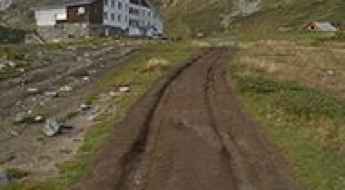
The road to Rila Lakes Hut: A steep climb to Bulgaria’s sacred lakes
Rila Lakes Hut (locally known as Hizha Rilski Ezera) is a high mountain refuge at an elevation of 2,107m (6,912ft) above sea level, located in the Kyustendil Province of southwestern Bulgaria. Situated within the Rila National Park, it serves as the main gateway to the world-famous Seven Rila Lakes.
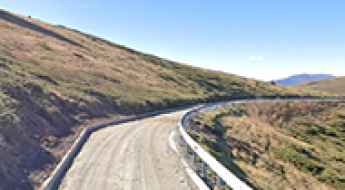
Road trip guide: Conquering the Arch of Freedom in Bulgaria
Located on the boundary of Lovech and Plovdiv provinces of Bulgaria, the Arch of Freedom stands as a monument commemorating the Bulgarians' heroic liberation struggle.