Driving in New Zealand: A guide to navigating its most scenic and remote roads
New Zealand is a dream destination for drivers, but its terrain is as challenging as it is beautiful. Beyond the postcard vistas lies a network of narrow, winding mountain passes, unpredictable maritime weather, and thousands of kilometers of unpaved "shingle roads." Navigating the Land of the Long White Cloud requires more than just a rental car; it demands an understanding of local driving etiquette, remote logistics, and the technical demands of the Southern Alps.
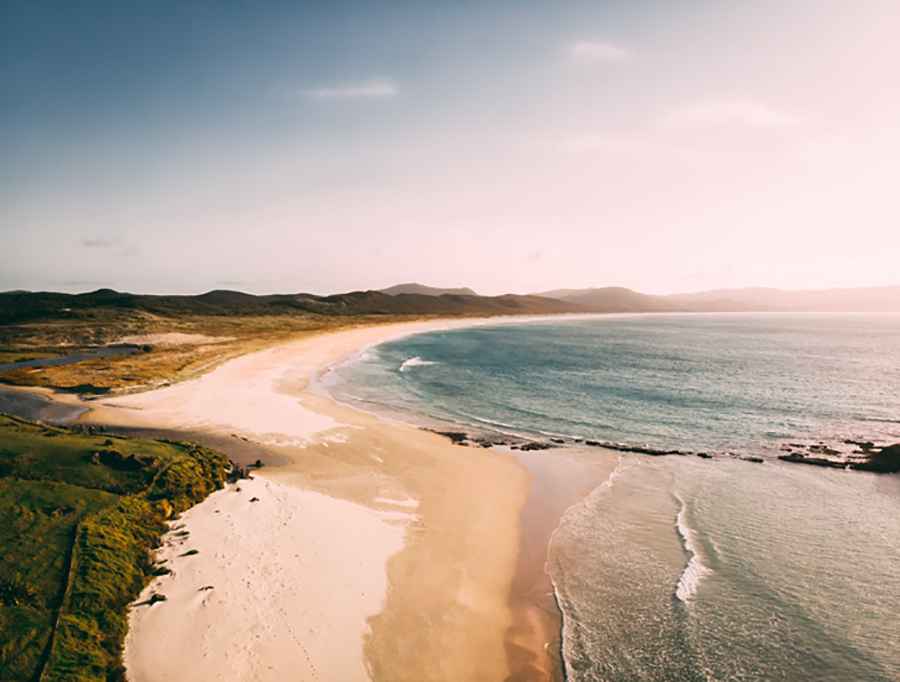
Before you set off to explore the North and South Islands, it is crucial to understand that driving times in New Zealand are often much longer than distances suggest due to the hilly and serpentine nature of the road network.
| NZ Driving Feature | Technical Requirement & Advice |
|---|---|
| One-Lane Bridges | Extremely common. Respect the "Give Way" arrows (red indicates you must stop). |
| Shingle Roads | Loose gravel is found on many scenic routes. Reduce speed to maintain traction. |
| The Crown Range | Highest paved main road. Snow chains are mandatory in winter for all vehicles. |
| Fuel Logistics | In the South Island, towns can be 150km apart. Always refuel when you see a station. |
Research Your Transport Options
If you're planning a trip to New Zealand, flying is efficient for city-hopping, but for the true *DangerousRoads* experience, renting a vehicle is essential. For the South Island’s rugged terrain, a 4WD or a sturdy SUV is highly recommended, especially if you plan to visit spots like the Skippers Canyon or the remote beaches of the Catlins. For those on a budget, campervans are the iconic way to travel, but be aware that navigating a high-profile vehicle through mountain switchbacks in high winds requires extreme caution.
Accommodation and the Freedom Camping Culture
Securing the right accommodation is part of the logistics of your drive. New Zealand offers luxurious lodges, but for road-trippers, the network of holiday parks and Department of Conservation (DOC) campsites is unbeatable. If you are using a campervan, familiarize yourself with "Freedom Camping" laws; you must have a self-contained vehicle and park only in designated zones to protect the environment and avoid heavy fines. Booking in advance is mandatory during the peak summer months (December to February).
Understanding Road Etiquette and Culture
New Zealand roads are often narrow and lack shoulders. Local drivers are accustomed to the terrain and often travel at higher speeds than visitors. To ensure safety and reduce frustration, use the frequent "slow vehicle bays" to let others pass. This is a core part of Kiwi road etiquette. Additionally, immerse yourself in the local culture by visiting small rural towns where the legacy of the Māori and early settlers is still visible in the architecture and monuments along the roadside.
Use Technical Online Resources
While TripAdvisor is great for hotels, drivers should use technical resources like the **Waka Kotahi (NZ Transport Agency)** website for real-time road closures, especially during the winter months when passes like the *Arthur's Pass* or *Haast Pass* can be blocked by snow or landslides. Apps like CamperMate are also invaluable for finding remote campsites and water refill stations across both islands.
Logistics and Sustenance
In New Zealand, the journey often takes you through long stretches of wilderness. While trying local dishes like a traditional Hangi or a classic meat pie is part of the experience, focus on your logistics. Carry a basic emergency kit, including water and food, as help can be hours away in areas like the West Coast or the Southern Alps. Always check the weather forecast before crossing mountain ranges; maritime weather in New Zealand can change from sunshine to a blizzard in minutes.
Outdoor Exploration: Beyond the Asphault
New Zealand is an outdoor paradise with over 13 national parks. Many of the most spectacular views—like the Milford Sound or the glaciers—require driving through technical tunnels and steep descents. Whether you are hiking, biking, or kayaking, remember that the roads leading to these activities are often the most challenging part of the adventure. Respect the terrain, manage your fuel wisely, and enjoy one of the most rewarding driving environments on the planet.