Can You Avoid a Criminal Record for a Driving Offence in Australia?
If you are involved in a situation that results in you being charged with a driving offence, it can be very confronting. Especially if it’s your first time dealing with something like this. It can also be a confusing time, where you might dwell on the worst-case scenario of a conviction and a criminal record.
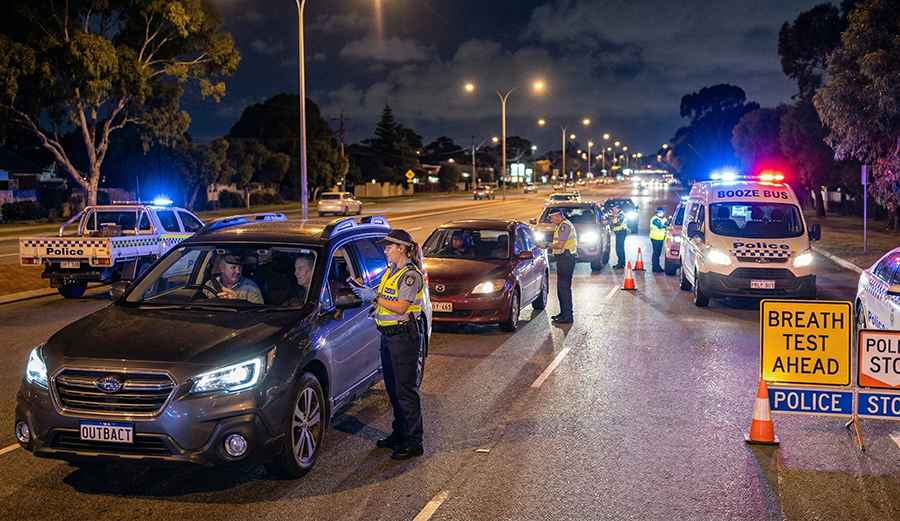
Whilst this is completely natural under the circumstances, you should be aware that not every driving offence in Australia leads to a criminal record. Instead, whether one is recorded depends on various factors. This includes what happened. How serious the incident was. And how your case is handled in court.
In fact, in some situations, people do walk away without a conviction. If you are wondering if you can, too, here’s how to avoid a criminal record for a driving offence in Australia.
Do Driving Offences Go on Your Criminal Record in Australia?
This is a question everyone asks, so let’s take the time to clear it up first.
Most everyday traffic issues, such as minor speeding fines, parking tickets, or small infringements, don’t go anywhere near your criminal record. Instead, they are usually handled with fines and demerit points, which, unlike a criminal conviction, do not follow you around.
However, where that changes is when the offence is serious enough to go to court. That’s when the potential for a criminal record traffic offence becomes relevant.
A common concern people have is whether something simple like speeding ends up on their record. Usually, the answer is no. But what does is often more serious behaviour associated with the incident.
Which Driving Offences Can Lead to a Criminal Conviction?
Once you move into more serious territory, the consequences can elevate pretty quickly. The following offences all tend to get treated as criminal matters:
- Drink driving
- Dangerous driving
- Driving while disqualified
- Failing to stop after an accident
These acts don’t just result in fines. They may also involve court appearances, which could carry heavier penalties, such as:
- Licence disqualification
- Larger fines
- Jail time
If you find yourself facing this prospect, it is a good idea to speak with an experienced firm like Astor Legal. They can help you to understand your rights and prepare a defence for any charges you face.
If you are the victim of a driving accident, especially one that occurs while the driver was impaired by alcohol or drugs, it is also worth seeking legal counsel to understand your rights.
Can You Avoid a Conviction for a Driving Offence in Australia?
This is the question most people want answered. Well, under Australian law, it is possible to avoid a conviction. That is because courts have discretion to handle certain matters without recording them as criminal convictions. Again, though, it depends on the details of your case.
Often, convictions might not be recorded for less serious offences or where there are strong personal circumstances. This type of outcome is known as a “Section 10 Dismissal”.
It relates to Section 10 of the Crimes (Sentencing Procedure) Act 1999. Essentially, it means the court acknowledges the offence but decides not to record it on your criminal history. That said, sometimes there are conditions attached to it, such as a good behaviour bond.
What Factors Do Courts Consider Before Deciding on a Conviction?
Courts consider a few factors before deciding whether to record a driving offence as a conviction. One of the biggest is your driving history.
If you’ve got a clean record, then that might work in your favour. Additionally, the seriousness of the offence also matters a lot because more dangerous behaviour usually leads to stricter outcomes.
Australian courts also take into account your personal circumstances. This may include your job. How much your daily life could be affected if you don’t have a licence. And your overall character.
Having good character references from people of high standing in the local community and demonstrating that you’ve taken the situation seriously can also help your chances of avoiding a conviction being recorded. They give the court a better understanding of who you are as a person, beyond the incident.
Are First-Time Offenders More Likely to Avoid a Criminal Record?
If this is your first offence, you’re generally in a better position than someone with a history of driving offences to not have a conviction recorded. That’s because courts often take a more understanding approach. Especially if the offence is on the lower end of the scale.
However, you should be mindful that the seriousness of the offence still matters. So, even if it’s your first time, it can still lead to a conviction if you are hit with a more severe charge.
What Happens If You Receive a Criminal Record for a Driving Offence?
There is no way to sugarcoat it. But a criminal record can have a negative impact on your life. For instance, you may not be able to hold a licence.
Additionally, it can affect your future job opportunities, because many employers run background checks during the hiring process. This can also make travelling to certain countries, such as the USA, Canada, and New Zealand, much more complicated.
On top of that, your insurance costs will almost certainly go up because a conviction signals to insurers that you might be a higher risk to them. That’s why it is best to do all you can to try to avoid a driving situation that could result in you receiving a conviction.