Outback Operations: Technical Logistics for Remote Australian Transit
Traversing the Australian Outback is one of the ultimate challenges for expedition drivers. Beyond the iconic scenery lies a brutal environment where mechanical failure or logistical oversight can be fatal. In regions like the Kimberley or the Gibson Desert, "roads" are often corrugated tracks that disintegrate during the wet season. This guide analyzes the technical requirements for remote Australian transit, focusing on vehicle hardening, self-recovery, and deep-outback survival protocols.
| Technical Facts: Outback Expedition Specs | |
|---|---|
| Critical Range | 1,000 km+ (Self-Sustained Fuel/Water) |
| Suspension Load | Heavy-Duty Corrugation Dampening (GVM Upgrade) |
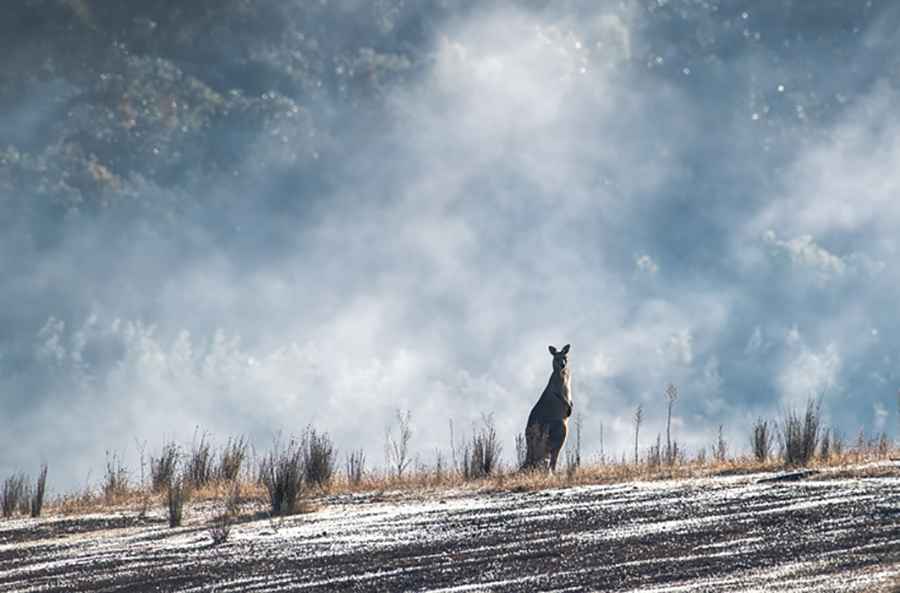
| Fauna Risk | High-Mass Ungulates (Kangaroos/Camels/Cattle) |
| Comms Tier | Satellite Voice + PLB (Personal Locator Beacon) |
1. Conquering Corrugations: Suspension and Chassis Fatigue
Australian outback tracks are notorious for "corrugations"—rhythmic ridges in the dirt that can vibrate a vehicle to pieces:
- Shock Absorber Thermal Load: Continuous high-frequency vibrations generate extreme heat in standard dampers. For the Outback, remote-reservoir shocks are mandatory to provide sufficient oil volume and cooling, preventing "shock fade" which leads to loss of control.
- Tyre Pressure Management: Reducing tyre pressure to 20-25 PSI is essential on corrugated tracks. This allows the tyre to act as a secondary spring, absorbing the micro-impacts and significantly reducing chassis stress and the risk of metal fatigue.
2. Long-Range Fuel and Water Logistics
In the vastness of the interior, distances between fuel points can exceed 600 kilometers. Fuel management is a technical calculation, not an estimate:
- Payload Calculations: Carrying 150+ liters of fuel and 100 liters of water requires a Gross Vehicle Mass (GVM) upgrade. Overloading a standard 4x4 increases the risk of axle housing failure when hitting unexpected washouts at speed.
- Water Redundancy: Never rely on a single water tank. Utilizing multiple 20L jerry cans ensures that if a main tank is punctured by a stone or a chassis flex, the expedition's survival remains secure.
3. High-Mass Fauna and Bull Bar Engineering
Wildlife encounters in Australia present a specific kinetic risk. The "Bull Bar" is not an accessory, but a critical safety component:
- Impact Protection: High-mass animals like red kangaroos or feral camels are most active during crepuscular hours. A steel-rated bull bar protects the radiator and engine cooling system from total destruction during an unavoidable impact, allowing the vehicle to remain mobile.
- Night Transit Hazards: Driving at night in the Outback is highly discouraged due to the extreme density of nocturnal fauna. If transit is necessary, high-output LED "Driving Lights" are required to identify ocular reflections at distances greater than 500 meters.
4. Underground and Subsurface Hazards: The Dust and Mud Factor
The "Red Dirt" of the Outback creates unique technical challenges for air filtration and traction:
- Bull-Dust Navigation: "Bull-dust" consists of fine, silt-like particles that hide deep ruts or rocks. Hitting a bull-dust hole at 80 km/h can result in immediate suspension collapse or a rollover. Drivers must treat dust clouds with the same caution as thick fog.
- Subterranean Water Crossings: After rain, desert tracks can turn into "black soil" mud, which is impassable for even the best-equipped vehicles. Understanding the soil composition and knowing when to wait (often for days) is a key tactical skill in the Outback.