Auckland Driving Guide: Logistics for a Self-Drive
Driving in Auckland and exploring the North Island of New Zealand requires careful preparation. The region offers a mix of busy urban motorways and narrow, winding rural roads that can be challenging for heavy vehicles like motorhomes. To ensure a safe journey, you must understand the local traffic laws, manage your vehicle logistics, and plan your route around the unpredictable coastal weather. This guide provides the essential technical facts for a successful self-drive mission.
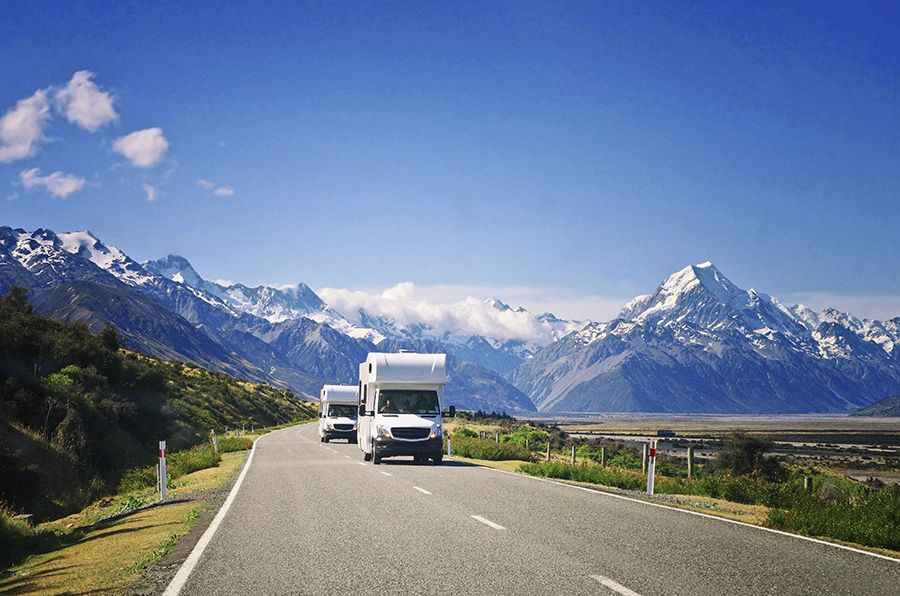
| Auckland Road Facts & Logistics | |
|---|---|
| Drive Side | Left-hand side of the road |
| Vehicle Type | Motorhomes and Campervans recommended for autonomy |
| Key Hazards | Narrow bridges, steep hills, and sudden flooding |
| Navigation | GPS required; factor in toll roads and ferry links |
1. Motorhome Logistics and Route Planning
Renting a motorhome is the most efficient way to maintain autonomy while driving through New Zealand. It allows you to manage your own schedule and avoid the need for fixed accommodation. When planning your route, use reliable navigation tools to identify toll roads and essential ferry crossings early. Some rural roads near Auckland are very narrow; ensure your vehicle's height and width are suitable for the tracks you plan to traverse. Always include scheduled stops to maintain driver alertness.
2. Essential Road Rules in New Zealand
Safety on New Zealand roads depends on strict adherence to local regulations.
- Keep Left: Always drive on the left-hand side of the road. This is critical at junctions and roundabouts.
- Following Distance: Maintain a large gap between your vehicle and the one in front. Sudden stops are common in urban traffic and on gravel roads.
- Vulnerable Road Users: Give plenty of space to cyclists and pedestrians. In many areas, roads are shared, and you must stay alert for people crossing or riding on the shoulder.
- One-Lane Bridges: These are common on rural roads outside Auckland. Check the signs to see which direction has the right of way.
3. Weather and Environmental Hazards
The weather in Auckland is highly unpredictable and can change road conditions in minutes. Between May and October, the weather is generally dry, but the winter months (June to August) bring heavy rain. This can lead to flash flooding in low-lying areas and high winds that affect vehicle stability, especially for high-roof motorhomes. Always check the meteorological forecast before heading into remote sectors or coastal passes.
4. Resource Management for Long Drives
Self-sufficiency is vital when driving in remote parts of the North Island. Large sections of road may have no shops or service stations. Carry a 48-hour buffer of food and clean water inside the vehicle. It is also a smart move to keep a basic first aid kit and emergency tools in the cabin. Proper resource management ensures that a minor delay or a closed road does not turn into a logistical crisis.
Conclusion: Prepared for the North Island Roads
A self-drive journey around Auckland is a rewarding experience if you respect the technical demands of the road. By managing your vehicle logistics, following the safety rules, and staying prepared for the weather, you ensure a smooth and professional expedition. Focus on the drive, keep your supplies ready, and enjoy the unique geography of New Zealand. Proper preparation is the key to a successful journey on these iconic roads.