Driving in Turkmenistan: Visas, border crossings, and survival tips
Turkmenistan is often described as the "North Korea of Central Asia." For adventure drivers and overlanders, it is both a dream destination and a bureaucratic nightmare. While the country offers some of the most surreal landscapes on the planet, such as the Darvaza Gas Crater, getting your vehicle across the border requires more than just a 4x4—it requires extreme patience and meticulous planning.
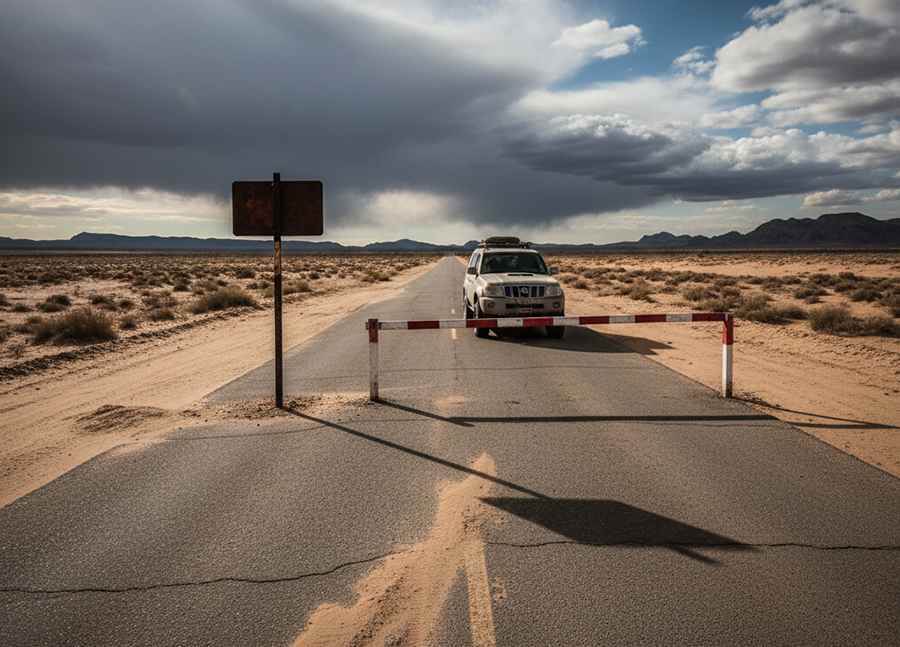
The reality of driving in Turkmenistan is that the rules can change overnight. Since the pandemic, the country has tightened its borders, making the once-popular "Transit Visa" a rare commodity. Whether you are part of an organized rally or an independent traveler, you must treat this country with a level of preparation that goes far beyond a standard road trip.
| Logistics: Driving in Turkmenistan | |
|---|---|
| Visa Difficulty | Extreme (Letter of Invitation required) |
| Border Fees | Fuel tax & Entry fees ($150 - $250 avg.) |
| Internet Access | Very restricted (Social media blocked) |
| Fuel Quality | Variable (Carry spare filters) |
How difficult is it to get a driving visa for Turkmenistan?
There are two main ways to enter with a vehicle. The Tourist Visa is the most common but requires you to hire a government-approved guide and follow a fixed itinerary. You will not be allowed to drive your own vehicle without a guide present. The second option is the Transit Visa (usually valid for 3 to 5 days), which allows you to drive independently from one border to another. However, these are notoriously difficult to obtain, with rejection rates often exceeding 50% without explanation.
To apply, you must first secure a Letter of Invitation (LOI) from the State Migration Service. This process can take over a month. A crucial tip for overlanders: ensure your US Dollar bills are pristine. Turkmenistan banks and border officials often reject bills that are even slightly wrinkled, old, or inked. Carry only "big head" USD bills printed after 2013.
What are the vehicle requirements at the Turkmenistan border?
Entering the country with a car or motorcycle involves a significant amount of paperwork. You will be required to pay a fuel compensation tax. Because gasoline is heavily subsidized for locals, foreign drivers must pay the difference at the border. Additionally, you will pay for a vehicle entry permit, a disinfection fee, and mandatory local insurance. Expect to spend at least 4 to 6 hours at the border completing these formalities.
Your vehicle will be fitted with a GPS tracking device in some cases, or you will be given a specific route map that you must follow. Deviating from the assigned road can lead to heavy fines or deportation at the next internal checkpoint. Also, be aware that Turkmenistan has a strict ban on "dirty cars" in its capital, Ashgabat. Driving a mud-covered 4x4 into the city is a finable offense; you must find a car wash before entering the marble-clad streets of the capital.
Is it safe to drive in remote Turkmenistan?
While the crime rate against tourists is virtually zero, the physical hazards are high. The main highways, such as the road from Ashgabat to Dashoguz, are often in a state of decay with massive potholes that can destroy a tire or suspension. Night driving is strongly discouraged due to unlit obstacles, wandering livestock (camels), and deep sand drifts that can blow across the asphalt.
Finally, remember that internet censorship is total. VPNs are often blocked, and social media apps will not work. Download all your navigation maps (Maps.me or Google Offline) and satellite coordinates for the Darvaza Gas Crater before you cross the border. You are essentially entering a digital vacuum, so self-reliance and mechanical knowledge are your best tools for survival in the Karakum Desert.