Driving in Thailand: Technical Logistics and National Highway Guide
Driving in Thailand requires navigating a high-density road network that serves as the primary logistical artery for Southeast Asia. Beyond the urban grid of Bangkok, the transition to regional highways involves managing extreme traffic heterogeneity, where heavy freight vehicles share narrow lanes with millions of two-wheelers. Logistical success depends on understanding the left-hand drive system, local right-of-way customs, and the technical challenges of monsoon-affected infrastructure.
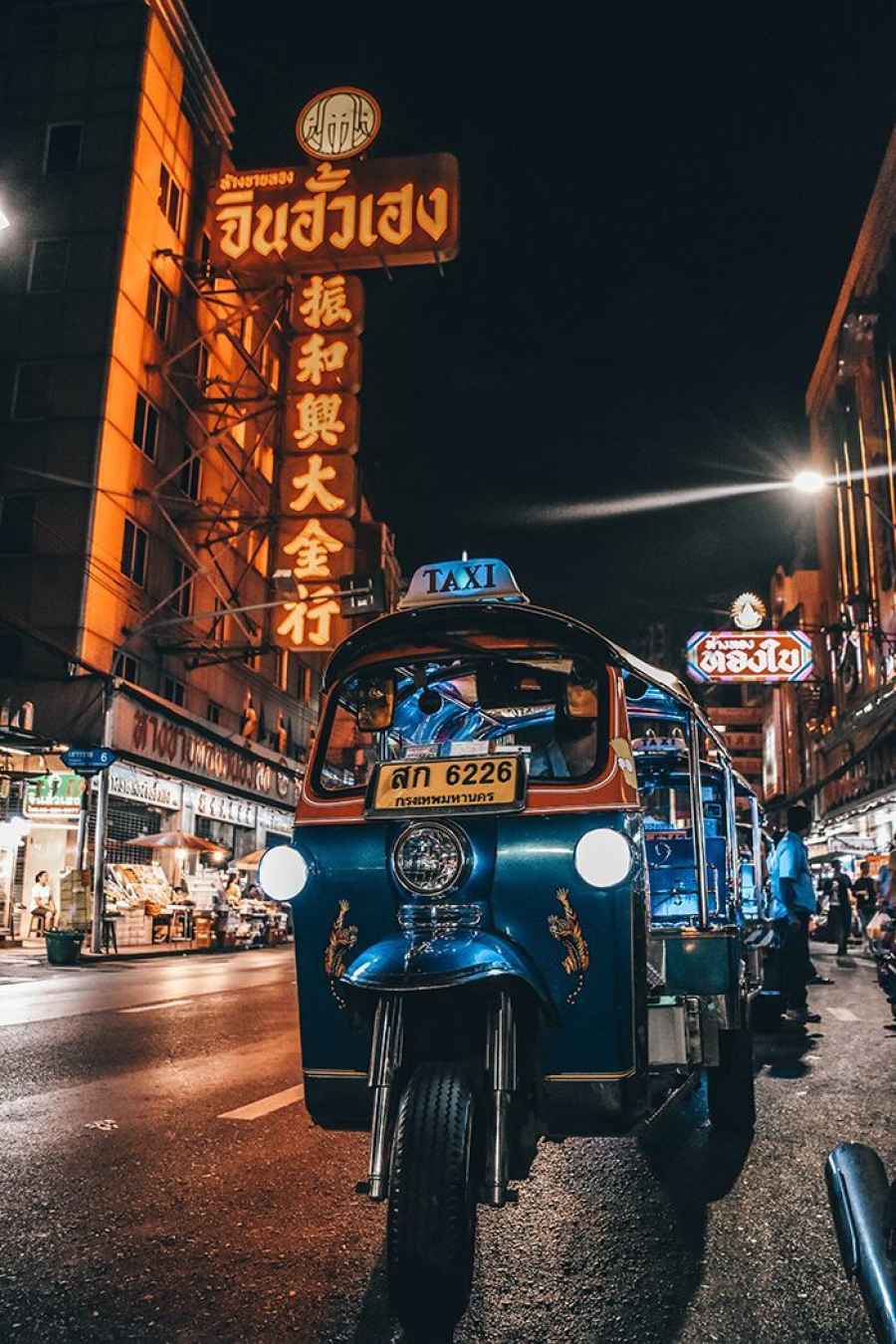
| Thailand Road & Logistics Facts | |
|---|---|
| Drive Side | Left-hand side |
| Primary Arteries | Highway 1 (North), Highway 2 (NE), Highway 3 (East), Highway 4 (South) |
| Hazard Level | Extreme (High accident rate for two-wheelers) |
| Seasonal Risk | Monsoon flooding (May to October) |
How to manage the logistics of Thailand’s National Highways?
The National Highways in Thailand are generally well-paved but suffer from high congestion and unpredictable lane discipline. Logistically, the most dangerous maneuver is the U-turn, often located in the middle of high-speed dual carriageways. For long-distance transit from Bangkok towards Ayutthaya or the Northeast (Isan), drivers must account for heavy HGV (Heavy Goods Vehicle) traffic. These trucks often occupy the fast lane to avoid damaged asphalt on the left. Maintaining a defensive posture and constant mirror checks is a technical requirement to manage the influx of motorbikes filtering through stagnant or high-speed traffic.
What are the technical challenges of driving in Northern Thailand?
Heading into Northeast Thailand and the mountainous North requires a vehicle in optimal mechanical condition. The terrain transitions from flat rice-farming plains to steep basalt ridges. High-altitude climbs demand sustained engine torque and efficient cooling systems due to the tropical ambient temperatures. During the monsoon season, secondary roads towards remote spots like Lotus Lake are prone to rapid inundation and washouts. Logistically, it is mandatory to verify tire tread depth, as the initial rain on sun-baked asphalt creates a high-risk film of oil and water that drastically reduces friction coefficients.
Understanding the transition from water to road logistics
Historically, Thailand’s floating markets were the primary logistics hubs for goods transport via canals (khlongs). Today, while the highway system has replaced most water transit, the legacy remains in the layout of older districts. Navigating near these areas involves narrow bridges and elevated concrete tracks that are barely wide enough for a single vehicle. Logistically, these zones are bottlenecks where traditional transport meets modern road logistics. When driving through rural markets, expect sudden obstructions and localized flooding where drainage systems are insufficient for heavy tropical downpours.
Safety protocols and vehicle requirements in Thailand
Legal compliance for driving in Thailand includes an International Driving Permit (IDP) and valid insurance documentation. Technically, the most significant risk factor is the "free-flowing" nature of intersections where traffic lights may be ignored during off-peak hours. In areas like Phra Nakhon Si Ayutthaya, tourist traffic density increases the risk of head-on collisions. For inter-city transit, using the toll-based Motorways (such as Route 7 or Route 9) is the most efficient logistical choice to bypass urban bottlenecks. Ensure your vehicle’s braking system is rated for high-frequency use, as the "stop-and-go" nature of Thai traffic leads to rapid brake wear.
Logistical planning for remote islands and coastal routes
Accessing southern destinations or islands like Koh Phangan involves complex maritime logistics combined with road transit. Ferries have strict weight and height clearances; verifying these specifications is essential before attempting to transport a 4x4 or commercial van. On the islands, roads are often extreme-gradient concrete tracks with no safety barriers and high percentages of loose gravel. Logistically, fuel availability is consistent in urban centers but scarce in the deep interior of national parks. For any transit exceeding 200 km, carry a basic emergency kit including a tire inflator and additional coolant.