How to drive the island roads of the Philippines?
Driving in the Philippines is one of the most intense experiences you can have, but it is also one of the most chaotic. Imagine a country with over 7,000 islands where the roads don’t always end where the asphalt stops—they often continue on top of a ferry. Here, logistics aren't just an option; they are a necessity to avoid getting stranded. From the absolute chaos of Manila to the dirt tracks of the most remote islands, moving through the Philippines forces you to monitor the weather, keep cash for tolls, and navigate driving habits that sometimes feel more like suggestions than laws. If you want to survive and enjoy the adventure, you need to know how the terrain works.
| Road facts: Philippines Expedition | |
|---|---|
| Best Time | December to May (Dry season) |
| Main Challenge | Ferry connections and sudden tropical storms |
| Driving Side | Right (Standard) |
| Key Tip | Always carry cash (PHP) for local tolls and ferries |
1. The Manila Axis: Driving in the Heart of Chaos
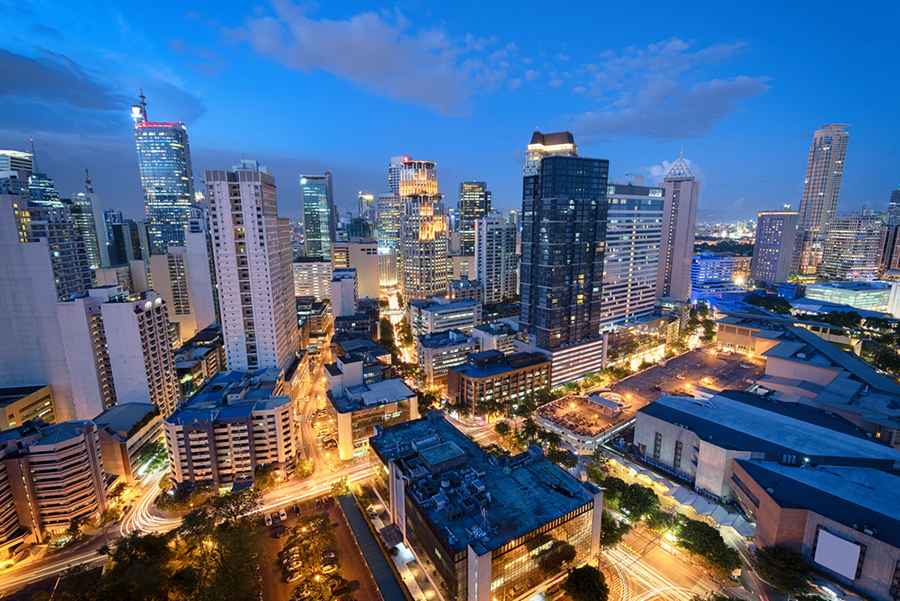
Manila is the main gateway and likely the place where your patience will be tested most. The roads around historic areas like Intramuros or Rizal Park are a constant mix of cars, jeepneys, and pedestrians who never stop. The key here is peripheral vision and understanding that the traffic has its own rhythm. If you plan to move through the capital, time your trips carefully: a 10-kilometer journey can take two hours if you aren't vigilant about peak hours.
2. From Asphalt to Ferry: Inter-Island Logistics
In the Philippines, the roads are often cut off by the sea. If you want to travel from Luzon to islands like Boracay or Panglao, you’ll need to load your vehicle onto a ferry (RORO). This requires always carrying Philippine Pesos (PHP), as many terminals do not accept cards. Additionally, you must watch out for air salinity; the combination of sand and sea is the worst enemy for your vehicle’s mechanics. A quick rinse after every coastal transit is mandatory.
3. Climate: The Road's Worst Enemy
You can't talk about the Philippines without talking about the rain. If you drive between July and August, the roads can turn into rivers in a matter of minutes. Safety here depends on knowing when to stop. Landslides are common in mountainous areas, and many secondary routes aren't equipped to handle the drainage. Driving during the dry season isn't just more comfortable; it's infinitely safer.
4. Customs and Etiquette Behind the Wheel
Learning a few Tagalog words can open many doors when you run into trouble on the road. People in the Philippines are incredibly friendly, but they have their own ways of greeting and navigating. If you enter a remote village, a local "hello" or "thank you" will completely change how you are received. Respecting local customs isn't just about manners; it’s the best way to get help if your logistics fail in the middle of nowhere.
Conclusion
Navigating the 7,000 islands of the Philippines on wheels is a challenge many don't even dare to try. But if you love driving and have a solid plan, the rewards are immense. Safety on Filipino roads depends on you: how you care for your vehicle, how you interpret the weather, and your ability to remain calm in heavy traffic. Don’t just stick to the tourist zones; prep your vehicle, hop on a ferry, and discover the real country. The path won't be easy, but it will be worth every mile.
Image credit: Depositphotos