Barenis Bridge: Crossing the Mastuj River on a wooden suspension track
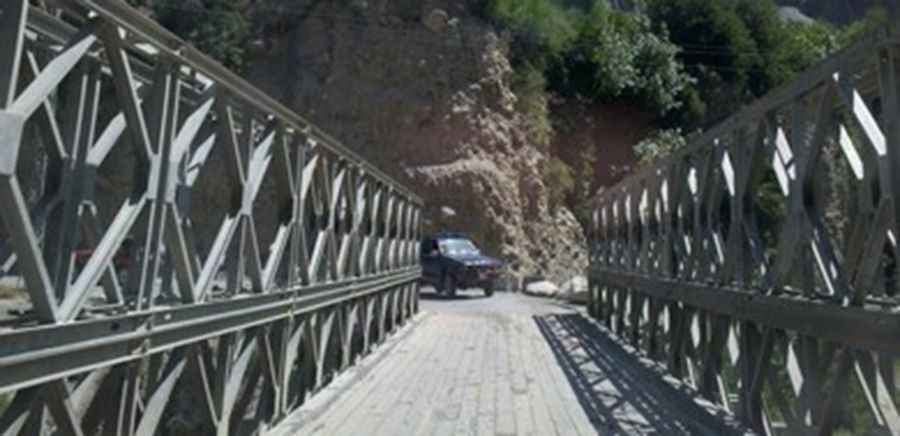
Located in the Khyber Pakhtunkhwa province of northern Pakistan, the Barenis Bridge is a high-consequence crossing that tests the nerves of anyone driving the road between Chitral and Mastuj. Spanning the fast-flowing Mastuj River, this 42-meter-long bridge is a classic example of mountain infrastructure where modern safety standards are replaced by raw iron and timber. It is a vital link in the Hindu Kush range, but for the uninitiated, it is a narrow trap suspended over a vertical drop.
| Road facts: Barenis Bridge | |
|---|---|
| Location | Chitral District, Pakistan |
| Length | 42 m (137 ft) |
| Surface | Wooden planks on steel frame |
| River | Mastuj River |
| Hazard Level | High (Single lane & exposed drops) |
How dangerous is the wooden surface of the Barenis Bridge?
The most striking feature of the Barenis Bridge is its deck, composed entirely of weathered wooden planks. As you drive across, the sound of the timber shifting under the weight of your 4x4 is a constant reminder of the bridge’s fragility. The wood can become extremely slippery during the monsoon season or when covered in winter frost, making traction a serious concern on such a narrow platform. There is no room for error; the width of the bridge barely accommodates a single vehicle, and the steel truss walls offer a claustrophobic transit where a few centimeters are all that separate your tires from the edge.
What are the structural hazards of the Barenis Bridge on the Chitral-Mastuj Road?
The bridge is a critical sector of the Chitral-Mastuj Road, a route notorious for its instability. Technically, it is a steel truss bridge, but its age and the relentless flow of the river below mean it requires constant monitoring. Heavy commercial vehicles frequently use this crossing, putting immense stress on the iron frame and the wooden footings. Before initiating the crossing, professional drivers often wait to ensure no oncoming traffic is entering the other side, as reversing on the Barenis Bridge is a high-risk maneuver that most try to avoid at all costs. It is officially considered one of the most spectacular bridges in the world, but for locals, it is a daily test of survival.
How to safely drive across the Barenis Bridge in northern Pakistan?
Crossing the Mastuj River at Barenis requires a steady hand and a slow pace. You must maintain a centered line to ensure your weight is evenly distributed across the main support beams. Sudden acceleration or braking on the wooden deck can cause planks to kick up or shift, potentially damaging your underbody or tires. High-clearance vehicles are the standard here, as the entry and exit ramps often have sharp angles and deep potholes that can snag a low-slung car. In this remote corner of Khyber Pakhtunkhwa, a bridge failure means a detour of many hours—or worse. Keep your eyes on the track, listen to the bridge, and move with caution.
Pic: Akber Ali