Warghle Pass: A Forbidden Military Ascent in the Hindu Kush
Warghle Pass is an international high mountain pass at an elevation of 2,222m (7,290ft) above sea level, situated on the rugged Durand Line—the border between Afghanistan’s Kunar Province and Pakistan’s Khyber Pakhtunkhwa.
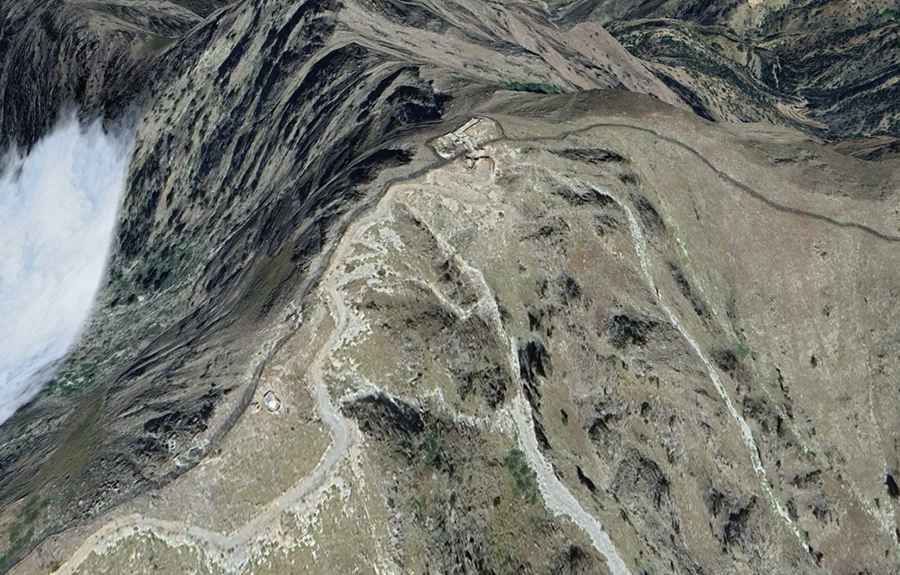
A Road Built for Strategy, Not Travel
The road to the summit is a stark example of extreme military engineering. Starting from Bajaur in Pakistan, the ascent spans 66 km (41 miles) through some of the most inaccessible terrain in the Hindu Kush range.
- The Infrastructure: On the Pakistan side, the route is a strictly controlled military road. On the Afghanistan side, the road infrastructure is virtually non-existent, consisting only of centuries-old footpaths and rugged trails used by local tribes.
- Military Dotted Route: The drive is characterized by the presence of fortified outposts and military structures that monitor this sensitive border crossing.
Driving Challenges: High Clearance and Steel Nerves
This is not a road for the faint-hearted. If it were open to the public, it would be one of the most technical drives in the region:
- Terrain: The surface is mostly unpaved, consisting of loose gravel, jagged rocks, and sections prone to washouts during the snowmelt.
- Geometry: The road features numerous hairpin turns carved directly into the mountainside, with narrow sections where two vehicles cannot pass each other.
- Inclines: Drivers face steep gradients and dangerous drop-offs without any guardrails. A high-clearance 4x4 vehicle is not just recommended; it is mandatory.
Why it remains "The Forbidden Pass"
Despite its geographical interest, Warghle Pass remains closed to foreigners.
- Security Concerns: The pass is located in a high-conflict zone. The presence of militant groups and ongoing military operations make the region one of the most unstable in the world.
- Restricted Access: Even for locals, travel is heavily restricted and monitored. Most governments issue "Do Not Travel" advisories for this specific border region due to the risk of kidnappings and terrorism.