Ultimate 4wd destination: Driving the wild Mukot La in Upper Dolpo
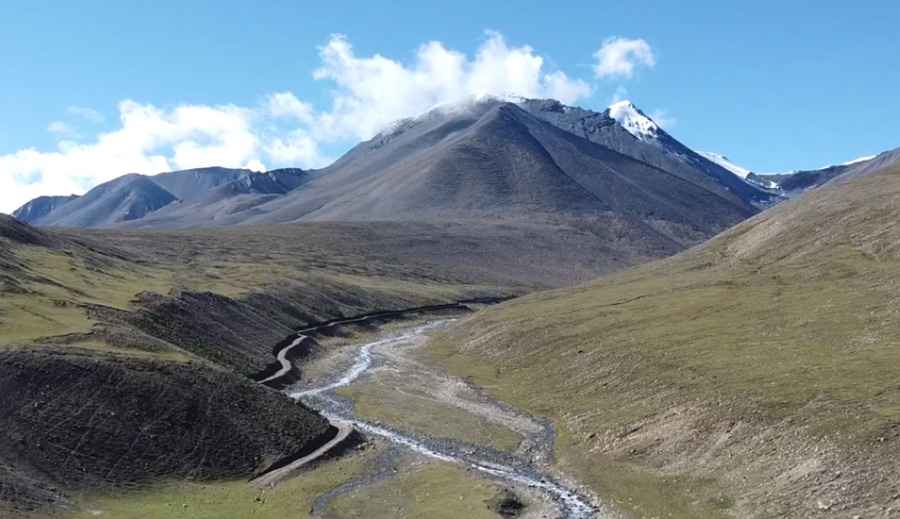
Mukot La is a high mountain pass in Nepal’s remote Upper Dolpo region. A gravel road on the northern side climbs to an elevation of 5,606 m (18,392 ft), stopping just a short distance from the summit. It's one of the highest roads in the country.
Where is Mukot La Pass?
Mukot La Pass lies in Nepal’s remote Upper Dolpo region, within the Karnali Zone in the north-western part of the country, close to the Chinese border. At the top of the pass, a small collection of prayer flags marks the summit.
Is Mukot La Pass unpaved?
Reaching the pass involves driving a completely unpaved and demanding road. The track includes narrow sections where two average vehicles cannot pass at the same time, steep stretches with gradients reaching up to 20%, sharp turns, and exposed drops. Due to the extreme elevation, altitude sickness is one of the main challenges, making gradual acclimatization and proper hydration essential. This is an exceptionally remote drive.
How long is Mukot La Pass?
The road to the summit is 22.7 km (14.1 miles) long, starting from Ghak. A 4x4 vehicle is mandatory, as the entire road runs above 4,200 m above sea level, adding to the difficulty of the journey.
When can I drive to Mukot La Pass?
Because the pass is set high in the mountains, the most suitable time to attempt the drive is during late spring and early autumn, specifically from late April to June and from September to mid-November.
How to get to Mukot La Pass?
Access to Mukot La Pass requires special permits, as Dolpo is a restricted area. These are issued by Nepal’s Department of Immigration and must be arranged through authorized local agencies based in Nepal.
Is Mukot La Pass worth the drive?
Despite the challenges, the journey is highly rewarding. Isolated from modern development, the Dolpo region has preserved centuries-old Tibetan Buddhist traditions and a way of life shaped by extreme conditions. The scenery is striking and diverse, ranging from dry, desert-like valleys and deep gorges to lush forests, high passes, and snow-covered peaks.
Road suggested by: Hugh Wilson
Pic: Temba Gurung