Namja La: The remote Himalayan trade route at 5,005m
Situated in the heart of the rugged Himalayas, Namja La (also known as Nangsa La) is an international high mountain pass reaching a staggering elevation of 5,005m (16,420ft) above sea level. This pass serves as a vital but isolated gateway on the border between north-western Nepal and China’s Tibet Autonomous Region. It's one of the highest roads in the country.
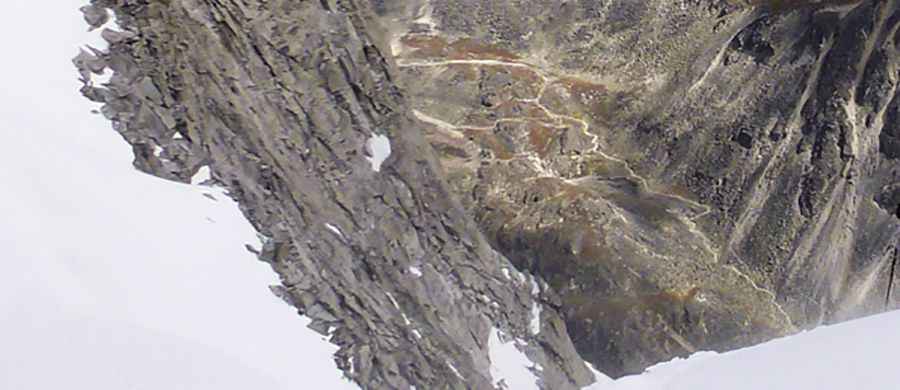
The pass, located at the coordinates 29°58'03.5"N 82°32'16.4"E, connects the remote village of Mugu in Nepal’s Karnali Zone with Zhongba County in Tibet. For centuries, this route has been a traditional lifeline for local traders. Today, despite the extreme altitude and harsh environment, it remains an active trade route where salt, wool, and modern goods are exchanged between the high-altitude communities of both nations.
| Road facts: Namja La (Nepal-Tibet) | |
|---|---|
| Location | Nepal - China Border (Himalayas) |
| Elevation | 5,005 m (16,420 ft) |
| Access Window | August only (weather permitting) |
| Vehicle Type | High-Clearance 4x4 Only |
| Key Link | Mugu (Nepal) to Zhongba (Tibet) |
Why is Namja La only open in August?
The road over Namja La is arguably one of the most seasonal tracks in the world. Due to the extreme snowfall and ice that dominate the Himalayas for most of the year, the pass is generally only passable during the month of August. Even during this brief window, the road—originally opened and maintained primarily by the Chinese side—remains a brutal test for any vehicle. High-clearance 4x4 vehicles are mandatory, as the unpaved surface consists of loose scree, deep mud from glacial melt, and river crossings that can change depth by the hour.
Starting a few kilometers beyond the village of Mugu, the track runs northwards into the vast Tibetan plateau. Driving here requires not only technical skill but also a deep understanding of high-altitude mechanics. At 5,000 meters, engines suffer from a massive loss of power, and the risk of acute mountain sickness (AMS) for the driver is a constant threat that must be managed with proper acclimatization.
Trading at the edge of the world
The cultural significance of Namja La cannot be overstated. During the short summer opening, the pass becomes a bustling hub of activity. Locals from Mugu trek for days with mule trains or rugged 4x4s to meet Chinese traders at the border. Because it is a sensitive international border, travelers must be aware of strict military regulations. Access for foreigners is highly restricted and often requires special permits from both the Nepalese and Chinese authorities.
If you are one of the few to attempt this journey, you must be entirely self-sufficient. There are no repair shops, fuel stations, or medical facilities in this part of the Karnali Zone. Carrying double spare tires, extra fuel, and satellite communication is the bare minimum for survival. Namja La is a place where the road is merely a suggestion carved into the mountains, and where the forces of nature dictate every move you make.
Road suggested by: Jorge Manuel Gómez Sánchez
Pic&more info: http://publications.americanalpineclub.org/articles/13201214483/First-Ascents-of-Sunkala-Topi-Lek-Fett-and-Pratibandhit-Lek