Driving the AH4 to Hashaatin Davaa: The rugged mountain pass of western Mongolia
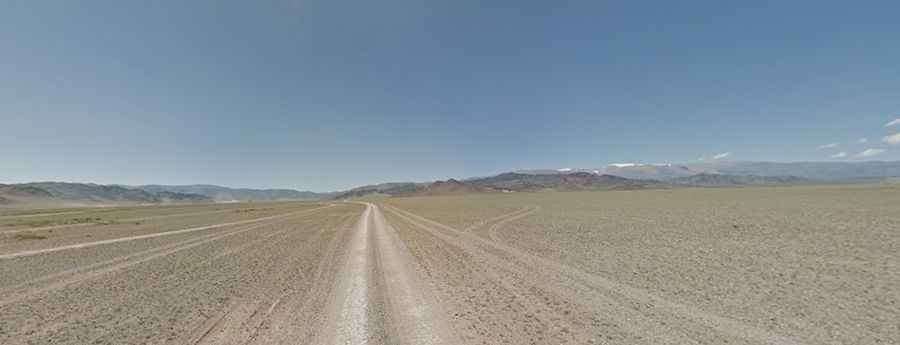
Hashaatin Davaa is a high mountain pass at an elevation of 2,545m (8,349ft) above sea level, located in the Bayan-Ölgii Province of western Mongolia. Part of the ambitious Asian Highway 4 (AH4), this route is a brutal reality check for those expecting a modern highway; it is a raw, unpaved expedition through some of the most remote landscapes on Earth.
| Road facts: Hashaatin Davaa | |
|---|---|
| Location | Bayan-Ölgii Province, Mongolia |
| Length | 139 km (86 miles) |
| Max Elevation | 2,545 m (8,349 ft) |
| Road Name | Asian Highway 4 (AH4) |
| Surface | Unpaved, gravel, and washboard sections |
How challenging is the AH4 road to Hashaatin Davaa?
The 139 km (86 miles) journey between Tolbo and Khovd is a test of mechanical endurance. Despite its international designation as the AH4, the surface is entirely unpaved and subject to the extreme erosion of the Mongolian steppe. The track is notorious for its "corrugations" (washboard ripples) and countless bumps that can rattle a vehicle's suspension to pieces. While large sections are relatively flat, the approach to the summit involves steep, sudden turns where the loose gravel makes braking unpredictable. A high-clearance 4x4 is not just recommended; it is mandatory to navigate the ruts and the occasional river crossings that can appear after a storm.
What are the main hazards on the pass?
The primary hazard of Hashaatin Davaa is its isolation combined with the "deceptive" nature of the track. You might be driving on a smooth section at 60 km/h only to hit a deep washout or a field of sharp volcanic rocks that can trigger an immediate double blowout. The dust kicked up by the few trucks using this corridor can reduce visibility to zero, making overtaking a high-stakes gamble. Furthermore, the "shelf" sections of the pass offer dramatic views of the snow-capped Altai Mountains, but they lack any form of safety barrier, leaving the driver exposed to steep drop-offs if they lose focus on the uneven terrain.
Is Hashaatin Davaa open during the winter months?
Western Mongolia is one of the coldest inhabited places on the planet. From late September to May, the pass is a gauntlet of ice and deep snow. The AH4 remains technically open as it is a vital supply link, but driving it in winter requires Arctic-level preparation. Blizzards can create "whiteout" conditions in minutes, erasing the track and leaving travelers stranded at 2,500 meters. Even in summer, adverse weather is common; sudden hailstorms and temperature drops can turn the dry dust into a treacherous mudslide, testing the limits of your vehicle's cooling and traction systems.
What should you check before crossing the Altai Mountains?
Before leaving Tolbo, a full vehicle audit is essential. You must carry at least two full-sized spare tires, a high-lift jack, and enough fuel to cover twice the distance, as consumption skyrockets on the steep, loose climbs of the pass. The constant vibrations will find any loose bolt in your chassis, so a pre-trip torque check is highly advised. There is zero support infrastructure between the major towns; if you suffer a mechanical failure near the summit of Hashaatin Davaa, you could be waiting days for a passing truck. This is a route where situational awareness and mechanical sympathy are the only things keeping you from becoming a permanent part of the Mongolian landscape.
Road suggested by: jorge manuel gómez sánchez