Ar-Bulagiyn Davaa: Driving the desolate trade route of Western Mongolia
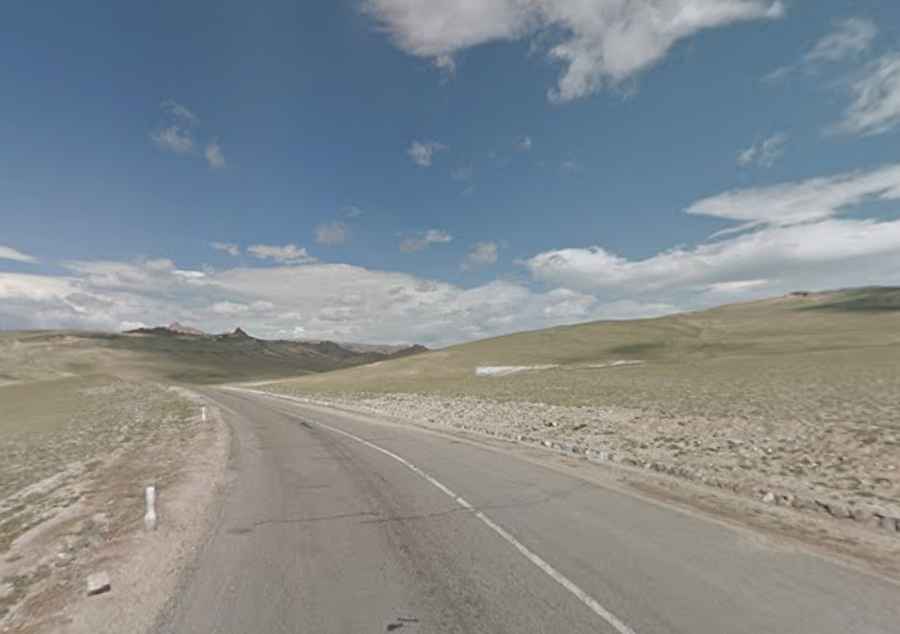
Ar-Bulagiyn Davaa, also known as Ar-Bulagiyn Pass, is a high-altitude mountain pass at an elevation of 2,775m (9,104ft) above sea level, located in the southern sector of the Khovd Province in western Mongolia. The route runs through the Altai mountain system.
| Road facts: Ar-Bulagiyn Davaa | |
|---|---|
| Location | Khovd Province, Western Mongolia |
| Elevation | 2,775 m (9,104 ft) |
| Length | 160 km (99.4 miles) |
| Route | Altai (Gov-Altai) to Tsetseg (Khovd) |
| Surface | Asphalt / Sections with broken pavement |
How long is the road over Ar-Bulagiyn Davaa?
The road spans 160 km (99.4 miles) in length, connecting the town of Altai with the Tsetseg sum valley. The alignment climbs from the semi-desert basins of the Gobi-Altai frontier up to the pass crest at 2,775 meters altitude. The route has no intermediate towns, permanent fuel stations, or roadside structures along the mountain transit.
What is the road surface of Ar-Bulagiyn Davaa?
The track was engineered with a two-lane asphalt surface. The pavement contains deep ruts, open cracks, and collapsed edges caused by heavy commercial trucks and winter freezing cycles. The road shoulders consist of soft unpaved gravel and river sand layouts without steel guardrails, masonry walls, or night illumination lines.
How does permafrost affect the Ar-Bulagiyn Davaa road?
At 2,775 meters altitude, the ground base contains permafrost layers. The brief summer thaw induces thermal subsidence, causing the soil underneath the asphalt to shift and forming sudden depressions and holes across both lanes. High-velocity crosswinds blow over the treeless pass summit, affecting the tracking of high-profile vehicles.
What are the winter hazards on Ar-Bulagiyn Davaa?
Freezing atmospheric conditions occur from September to May, maintaining sub-zero temperatures that create ice sheets over the asphalt surface. Heavy snow storms cause snowdrifts that block the pass summit lanes. The 160-kilometer mountain sector lacks cellular network coverage and mechanical emergency support, requiring vehicles to carry auxiliary fuel tanks and mechanical tools before exiting Altai or Tsetseg.
Road suggested by: jorge manuel gómez sánchez