Tokyo Urban Logistics: Technical Guide to the Ameyoko Viaduct Corridor
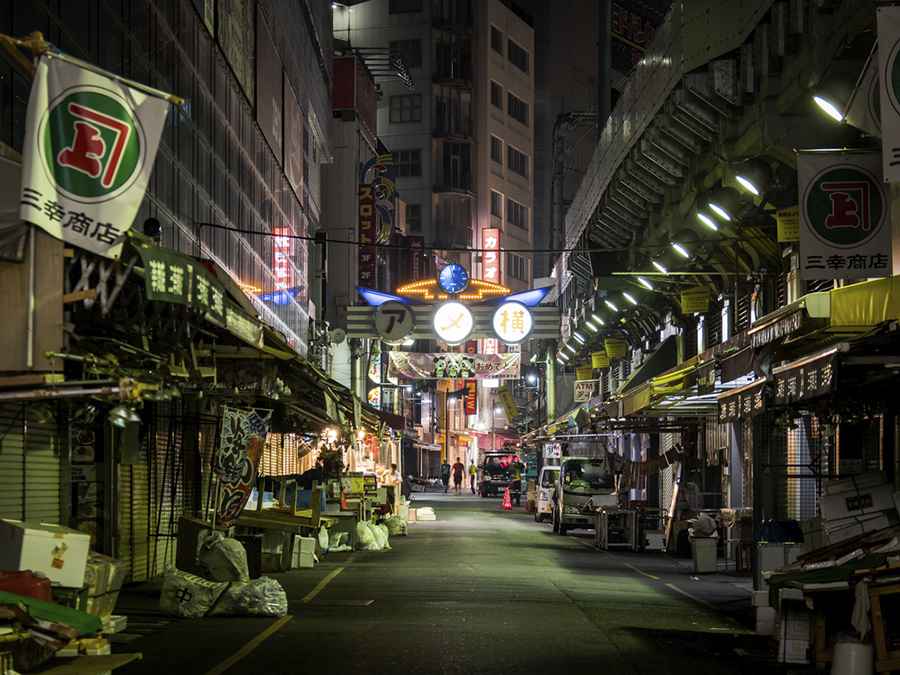
The Ameyoko corridor, situated in Tokyo’s Taito District, represents a complex logistical environment where retail infrastructure is integrated directly beneath the elevated viaducts of the JR Yamanote and Keihin-Tohoku lines. Navigating this area involves managing high-density pedestrian flow, strict delivery time windows for freight vehicles, and the technical constraints imposed by the railway’s steel and concrete support structures.
| Ueno-Okachimachi Logistics Facts | |
|---|---|
| Location | Ueno to Okachimachi, Tokyo (Japan) |
| Infrastructure Type | Elevated Railway Viaduct / Sub-track commercial zone |
| Traffic Restriction | Pedestrian priority (Vehicle access limited to 00:00 - 10:00) |
| Key Artery | National Route 4 (Showa-dori) |
What are the logistical challenges of the Ameyoko viaduct structure?
The Ameyoko Center Building and the surrounding 500+ stalls are built within the structural footprint of the JR railway lines. From a logistical engineering perspective, these units must comply with strict vibration and weight distribution protocols to ensure the integrity of the tracks above. Vehicle access for restocking is severely limited by low clearance heights (gálibo) under the bridge spans. Freight logistics are typically handled by "Kei-trucks" (lightweight category) or specialized carts, as standard 4-ton trucks cannot navigate the narrow alleyways (Yokochō) that characterize this historical black-market site.
How is freight delivery managed in the Ueno-Okachimachi sector?
In high-density districts like Ueno, logistics operate on a time-segregated system. Most of Ameyoko becomes a pedestrian-only zone after 10:00 AM. Therefore, all heavy loading and unloading operations must be completed during the night or early morning hours. Fleet operators must navigate National Route 4 (Showa-dori), one of Tokyo’s main arteries, and coordinate precise arrival times to avoid obstructing local transit. The use of electric hand-trucks and silent unloading protocols is a technical requirement to minimize noise pollution in a sector that maintains a high residential and commercial mix.
Navigating the Ueno transit hub and road hazards
Driving near Ueno Park and the railway interchange requires managing multi-level road crossings and complex signage. The intersection near Ueno Station is a critical bottleneck where the elevated Shuto Expressway (Route 1) overlaps with local surface streets. Hazards include high volumes of cyclists and pedestrians who often spill over from the Ameyoko market area onto the main roads. Drivers must be alert for sudden lane changes required by the "no-right-turn" rules at several major junctions, a logistical measure designed to maintain the flow of public buses and heavy freight towards the Adachi and Arakawa logistics hubs.
Vehicle requirements for Tokyo urban logistics
Operating a vehicle in the Taito District demands a high level of technical precision. Due to the proximity of the Shinobazu Pond and protected park areas, environmental regulations (NOx and PM standards) are strictly enforced for commercial diesel vehicles. For small-scale logistics within the Ameyoko area, vehicles must be equipped with tight turning circles and parking assist sensors, as many service entrances are located in high-blind-spot zones beneath the railway pylons. Logistically, drivers should utilize the dedicated cargo-handling bays on the periphery of the market to avoid heavy fines for obstructing the narrow municipal roads.
Image credit: Depositphotos