Yamate Tunnel: Driving the Longest In-City Subterranean Expressway in Tokyo
The Yamate Tunnel is an 18.2-kilometer (11.3 miles) underground highway passage carrying the Central Circular Route (C2) of the Shuto Expressway system in Tokyo, Japan. The twin-bore structure tracks deep beneath the urban grid, connecting the Takamatsu on-ramp in Toshima directly with the Ōi Junction in the Shinagawa ward.
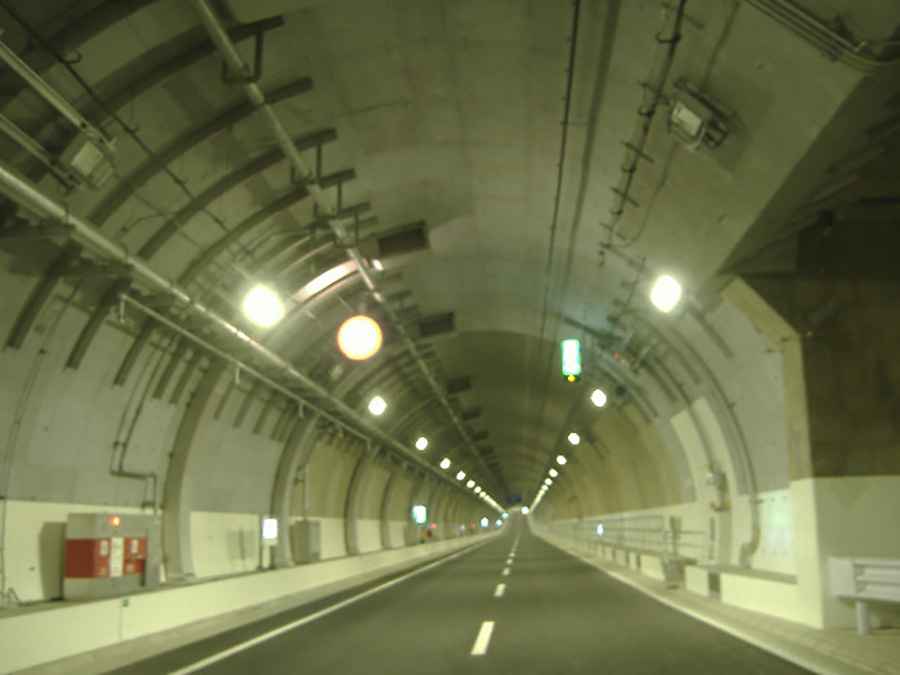
| Road facts: Yamate Tunnel | |
|---|---|
| Location | Tokyo, Japan |
| Length | 18.2 km (11.3 miles) |
| Depth | ~30 meters (98 ft) beneath street level |
| Format | Twin tubes / Two lanes per direction |
| Open Dates | Built 1992–2010 / Opened in phases until 2015 |
How long is the Yamate Tunnel driving route?
Measuring exactly 18.2 km from portal to portal, the single-lane and double-lane asphalt alignment lies approximately 30 meters sota la superfície urbana. This extreme distance ranks the structure as the longest in-city subterranean road on earth, and places it prominently within the list of the longest tunnels of the world. Globally, it sits as the second-longest road tunnel overall, surpassed exclusively by the massive rural stretch of the Lærdal Tunnel in Norway.
What are the main hazards when driving the Yamate Tunnel?
Unlike standard rural tunnels that cut straight through mountain rock, the Yamate Tunnel is a winding, technical urban drive with constant directional adjustments to clear subway lines and building foundations. The two lanes in each direction are flanked by tight concrete walls with zero emergency shoulders. Heavy traffic accumulation combined with the enclosed space creates massive heat buildup inside the bores, often pushing air temperatures past 40°C (104°F) despite the operation of dozens of vertical ventilation dust-collector shafts.
How do the underground junctions and portals operate?
The tunnel platform contains four distinct entrance portals, five exit ramps, and two complex underground junctions (Oh橋 and Nishi-Shinjuku) where traffic lanes merge in the dark. Switching lanes inside these underground interchanges requires quick decisions, as vehicles enter from blind curves on both the left and right sides. The entire route is monitored by automated speed cameras, wall-mounted fire mist sprayers, and specialized escape doors located every 350 meters that lead directly to a separate emergency safety corridor running underneath the main roadbed.
Pic: By 妖精書士 at ja.wikipedia - Own work, CC BY-SA 3.0, https://commons.wikimedia.org/w/index.php?curid=106457892