How to drive to Mount Espi Kouhak? A 15-hairpin 4x4 challenge
Mount Espi Kouhak is a high mountain peak at an elevation of 3,315m (10,875ft) above sea level, located in the Mazandaran Province of northern Iran. This ascent is recognized as one of the highest drivable roads in the Alborz mountain range, leading to critical communication facilities at the summit. The route is a brutal test of vehicle endurance and driver skill, far removed from any paved infrastructure. It’s one of the highest roads in the country.
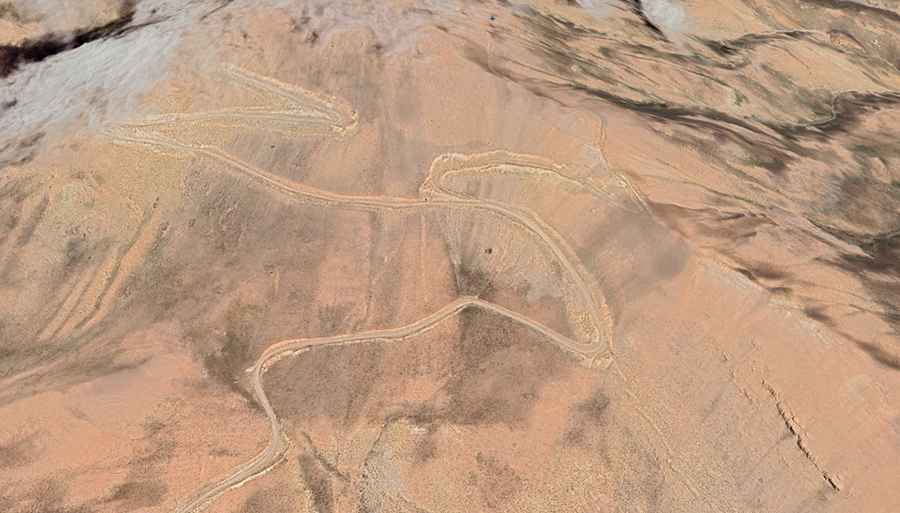
The climb is a serious undertaking that requires a prepared vehicle. At this altitude, the air pressure is significantly lower than at sea level, which affects both human physiology and internal combustion engines. Drivers can expect a significant drop in horsepower, and the cooling systems will be under extreme stress due to the combination of steep gradients and reduced cooling efficiency in the thin mountain air.
| Road facts: Mount Espi Kouhak | |
|---|---|
| Elevation | 3,315m (10,875ft) |
| Length | 12.1 km (7.51 miles) |
| Elevation Gain | 1,028 m |
| Average Gradient | 8.49% |
| Surface | Loose Rock / Gravel |
How long is the road to Mount Espi Kouhak?
The journey starts in the mountain village of Yush. The road to the peak spans 12.1 km (7.51 miles), but don't let the short distance fool you. You will be gaining 1,028 meters of vertical elevation in a very short span, which results in a sustained average gradient of 8.49%. This is not a climb for vehicles with low torque; you will spend most of the time in low-range gears to maintain momentum without overheating the engine. The ascent is relentless, with very few flat sections to allow the vehicle's components to cool down.
Is the road to Mount Espi Kouhak unpaved?
The surface of the road to Mount Espi Kouhak is entirely unpaved, consisting of a mix of packed dirt, loose shale, and larger rocks that can shift under the weight of a vehicle. The defining characteristic of this track is the series of 15 sharp hairpin turns. These switchbacks are narrow and require precise steering, often necessitating multi-point turns for larger 4x4 vehicles. Traction can be an issue, especially on the inside of the curves where the gradient is even steeper than the average 8.49%. A high-clearance 4x4 with good off-road tires is mandatory to navigate the ruts and rocks without damaging the undercarriage.
What are the main hazards when driving to Mount Espi Kouhak?
Safety is a major concern due to the dangerous drops and lack of guardrails. The road is highly exposed, and for much of the 12.1 km drive, there is very little margin for error. If you suffer from vertigo, this is a route to avoid. Weather is the other major factor; at 3,315m, the peak can be hit by sudden storms or high winds even in mid-summer. The descent is just as hazardous as the climb; using engine braking is essential to prevent brake fade on the steep 8.49% decline. There are no services available once you leave Yush, so carrying a spare tire, extra fuel, and plenty of water is a basic requirement for anyone attempting this high-altitude Iranian track.