How to drive the beautiful road to Lake Moriri in northern India?
Tso Moriri is a high mountain lake at an elevation of 4.522m (14,836ft) above sea level, located in the Ladakh region of India.
Where is Lake Moriri?
The lake is located south of Namshang La, in the northern Indian state of Jammu and Kashmir. Remember, swimming in the lake is not allowed.
Why is Lake Moriri famous?
Tso Moriri, the largest high-altitude lake entirely within India, is a breathtaking jewel, stretching approximately 26 km north-south and 3 to 5 km wide. Known for its pristine, crystal-clear waters and serene, isolated beauty, the lake provides an unforgettable view, dramatically framed by towering, snow-clad mountains. Beyond its spectacular scenery, Tso Moriri is ecologically vital; it is designated as the Tso Moriri Wetland Conservation Reserve, serving as a critical breeding ground for numerous species of migratory birds, most notably the Bar-headed Goose and the endangered Black-necked Crane, and supporting other high-altitude wildlife.
How long is the road to Lake Moriri?
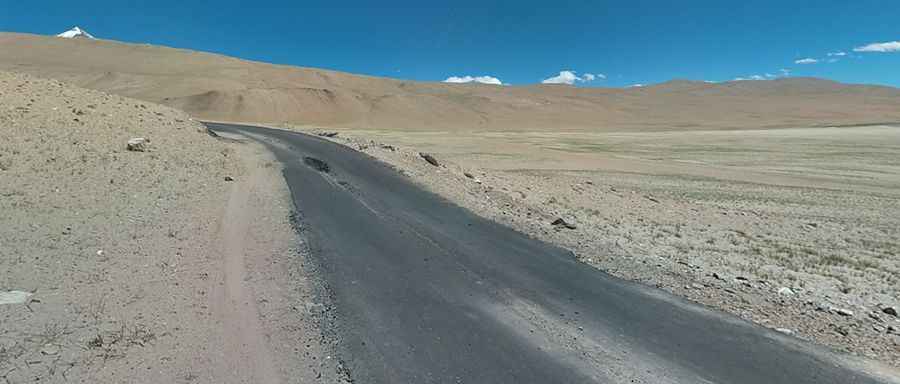
Located in the Rupshu region, the road is 44.8 km (27.83 miles) long, running north-south from Sumdo to Korzok, one of the highest towns in India. The road to this picturesque and deep blue lake is fully paved. Be aware that you'll cross several very high passes and you’ll experience very cold nights even in mid-summer. The road offers stunning views of Kyagar Tso, a small saline water lake at an elevation of 4.705m (15,436 ft) above sea level.
Can I drive to Lake Moriri in winter?
The road tops out at 4.843m (15,889ft) above sea level. Set high in the Changthang Plateau, the area experiences freezing temperatures during the winter months. Accessibility is largely limited to the summer season. It’s a high mountain road, and be aware that you'll cross several very high passes and experience very cold nights even in mid-summer.
How to get ready to drive to Lake Moriri?
The area is very remote and sparsely populated, but is full of amazing beauty. There are essentially no villages en route to provide shelter for the trip. There are no petrol pumps in the area, so carrying enough fuel is necessary. Picturesquely located in the secluded, breathtakingly beautiful Rupshu Valley, facilities like electricity, medical aid, hot running water, western toilets, etc., are rare to find.
Pic: Michael L