Dangers Drivers Face When Making Left Turns at Certain Intersections in Bowling Green
Drivers making left turns at busy Bowling Green intersections face risks from oncoming traffic, obstructed views, and congestion. A vehicle turning across another driver's path can cause a serious collision, especially when the approaching driver has little time to brake.
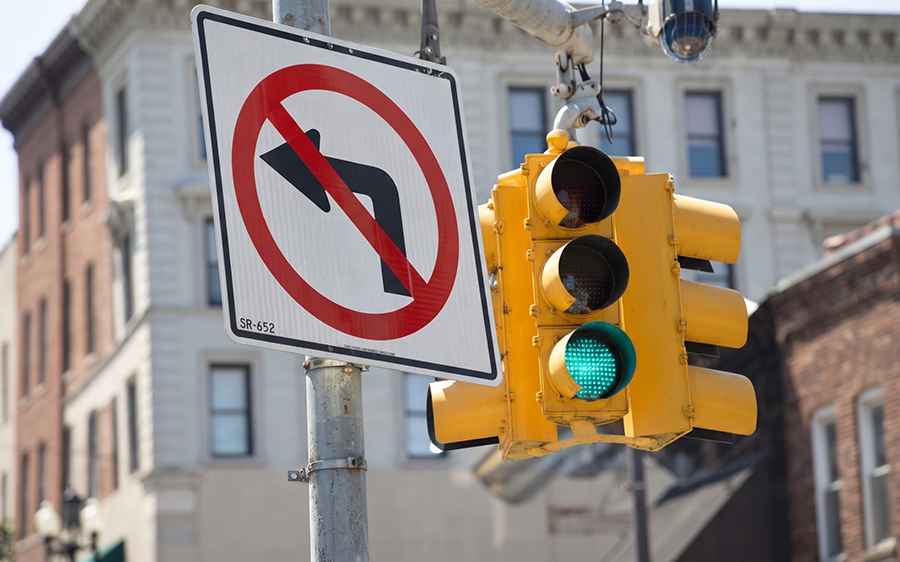
Police have identified several locations in Bowling Green where crashes occur frequently. Sections of Scottsville Road, Campbell Lane, and the U.S. 31W Bypass experience heavy traffic and involve multiple turning movements. These conditions highlight the risks associated with the most dangerous road intersections. However, these locations are based on overall crash frequency, not left-turn accident rankings.
In this article, we will discuss the common dangers drivers face when making left turns at busy Bowling Green intersections, the risks these situations create, and the steps that can help prevent collisions.
Misjudging Oncoming Traffic
A common danger is miscalculating the speed or distance of approaching vehicles. A distant car may reach the intersection before the turn is complete. Drivers should wait for a gap that leaves enough time to complete the turn safely. Never assume an approaching vehicle will slow down or leave space.
Limited Visibility
Large vehicles, roadside signs, and traffic in adjacent lanes can block a driver's view. A driver may see a gap in the nearest lane but fail to notice a vehicle approaching in another lane.
Bowling Green police list Scottsville Road locations near Pascoe Boulevard and Three Springs Road among frequent collision sites. Check every lane before turning. If visibility is blocked, wait until the path is clear.
Congestion and Driver Pressure
Heavy traffic can make left turns stressful. Long queues may tempt drivers to take a small opening or rush because vehicles are waiting behind them. This pressure can lead to missed signals or overlooked pedestrians.
Campbell Lane and Russellville Road can carry traffic from several directions. Wait for the right of way and a safe opening.
Confusing Signals and Turning Movements
Intersections with multiple lanes and traffic signals require drivers to pay close attention. Misunderstanding a signal or assuming that oncoming traffic has stopped can lead to a collision.
Kentucky law also sets clear rules for turning. Drivers making a left turn must yield to approaching vehicles that are close enough to create a danger. They must also signal their intentions and wait until they can complete the turn safely.
Drivers should follow traffic signals, road signs, and lane markings while checking for approaching vehicles before turning.
Risk of Side-Impact Injuries
When a vehicle turns left across oncoming traffic, the approaching vehicle may strike its side. Side-impact crashes can cause serious injuries because there is less space between occupants and the point of impact.
Occupants may suffer head injuries or broken bones. Motorcyclists and cyclists are especially vulnerable.
Ways to Make Left Turns Safer
Slow down before the intersection, check every approaching lane, and watch for pedestrians and cyclists. Signal early, use a designated turn lane when available, and wait for a safe opening. Dedicated left-turn lanes let drivers slow down and wait for a safe gap.
Frequently Asked Questions
1. Why Can Left Turns Be More Dangerous Than Right Turns?
Left turns often require drivers to cross opposing traffic, creating more opportunities for vehicle conflicts.
2. What Should I Do After a Left-Turn Collision?
Move to safe place, if possible, call 911 if anyone is injured, exchange information, and document the scene. Seek medical attention.
3. Can a Driver Be Responsible for a Left-Turn Crash?
Yes. A driver who fails to yield when required may be found responsible, depending on the circumstances and evidence.
Key Points to Remember
- Left turns at busy Bowling Green intersections can expose drivers to serious crash risks.
- Misjudging oncoming traffic and gaps can cause collisions.
- Obstructed views and congestion make turning more difficult.
- Side-impact crashes can result in severe injuries.
- Check every lane and wait for a safe gap before turning.