Khinger La: Driving the 5,283m high-altitude military pass in Uttarakhand
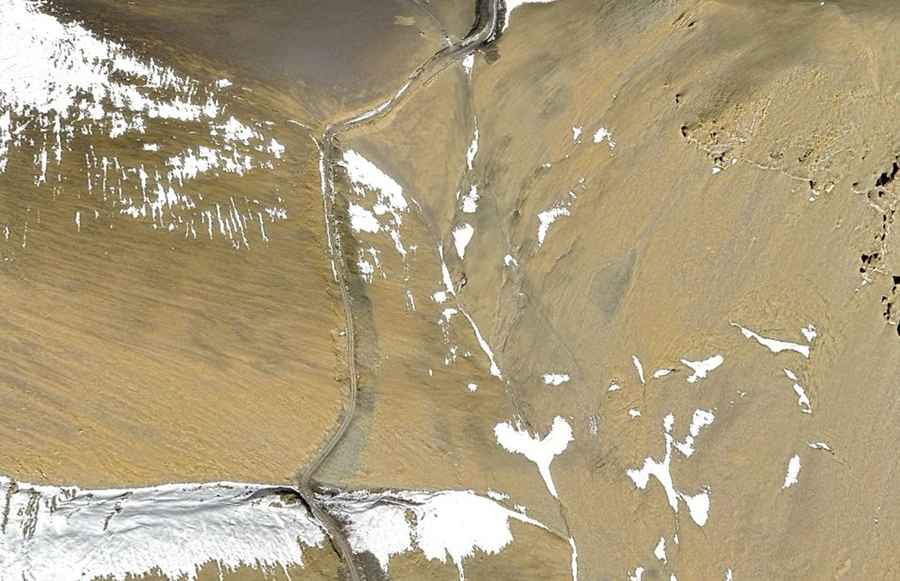
Khinger La is an extreme high-altitude mountain pass reaching an elevation of 5,283 meters (17,332 ft) above sea level in the Chamoli district of Uttarakhand, India. Situated on the eastern extension of the Sumna-Lapthal-Topidunga road corridor, the unpaved track ranks among the highest roads in the region, providing vehicular access to the remote military border outpost at Topidunga.
| Road facts: Khinger La | |
|---|---|
| Location | Chamoli District, Uttarakhand (India) |
| Coordinates | 30°39'03.0"N 80°09'32.0"E |
| Elevation | 5,283 m (17,332 ft) |
| Terminus | Topidunga military post / helipad |
| Surface | Unpaved loose shale, boulder scree, and river silt |
| Access Restriction | Restricted military zone (Forbidden to civilian and foreign traffic) |
| Key Hazards | 50% atmospheric oxygen loss, unshielded cliff edges, extreme freeze-thaw erosion |
Where is Khinger La located?
The pass is located in the far eastern sector of Chamoli district near the border region. Continuing past Chidamu Gad along the eastern branch of the BRO network beyond Lapthal La, the road climbs over Khinger La (30°39'03.0"N 80°09'32.0"E) before terminating at the Topidunga military base.
Is the road over Khinger La paved?
No. The track over Khinger La is entirely unpaved, consisting of raw high-altitude scree, loose slate rock, and uncompacted dirt. The single-lane road features continuous switchbacks, steep incline ramps, and narrow shoulders with zero safety barriers along the ridgeline.
Can civilians drive over Khinger La?
No. Khinger La operates strictly under Indian Armed Forces control as a strategic border route. Civilian access is prohibited, and the area is entirely off-limits to foreign nationals due to strict border security regulations.
What hazards exist when driving Khinger La?
At 5,283 meters above sea level, thin air reduces engine power output by roughly 50%, requiring low-range 4x4 gearing to clear steep gravel inclines. Extreme sub-zero temperatures, high winds, and heavy winter snow accumulation cause severe freeze-thaw damage to the track, closing the pass from late autumn until late spring.
Road suggested by: Hugh Wilson