Driving in India: A Logistic and Survival Guide for Foreign Drivers
India is a massive subcontinent with a road network that handles everything from high-altitude Himalayan passes to tropical coastal highways. For any driver planning a cross-country trip, understanding the seasonal logistics and regional infrastructure is more important than knowing the history of the country.
| India: Road & Logistic Facts | |
|---|---|
| Driving Side | Left-hand side |
| Best Driving Season | October to March (Winter) |
| Monsoon Impact | July to September (High risk of flooding) |
| Network Size | 2nd largest road network in the world |
What is the best season for a road trip in India?
Timing is everything in India. If you’re coming from a colder climate, aim for October to March. During these months, the weather is mild across most of the country. However, if your route includes the Himalayas, remember that high passes will be blocked by snow during this time. Avoid driving between July and September unless you have to; the monsoon rains turn many unpaved roads into mud traps and cause major waterlogging in urban areas. Summer (March to June) is brutal, with temperatures often hitting 45°C, which can lead to engine overheating and tire blowouts on long highway stretches.
Logistics and Food: What drivers need to know
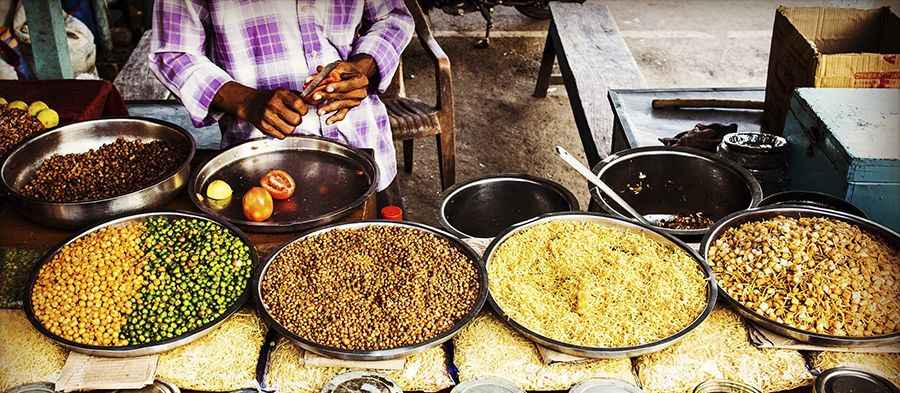
When you're behind the wheel for 10 hours a day, food isn't just about "culture"—it's fuel. India's regional food varies as much as its terrain. In the north, you'll find heavy, protein-rich dishes like Paranthas and Butter Chicken in roadside "Dhabas" (truck stops). In the south, meals are lighter, often based on rice and lentils (Idli, Dosa), which are easier to digest during long drives in humid heat. Always stick to bottled water and try to eat at busy Dhabas where the high turnover of food reduces the risk of stomach issues that could ruin your trip.
Regional Driving Hubs and Stops
- Delhi & Amritsar: These are your gateways to the Himalayas. Stock up on supplies here. The food is heavy (Kulchas, Kebabs), perfect for the cold climbs ahead.
- Mumbai & Ahmedabad: Major business hubs with heavy industrial traffic. Street food like Vada Pav is the ultimate "driver’s fast food"—cheap, hot, and easy to eat on the go.
- Goa: A small state with narrow coastal roads. Watch out for tourists on scooters. The local fish curries are great, but spicy; be careful if you aren't used to it.
- Hyderabad & Bangalore: These are tech and logistics centers. The Hyderabadi Biryani is world-famous, but it’s a heavy meal that can make you sleepy behind the wheel. Take a break after eating.
- Kolkata & Lucknow: Known for historical narrow streets and chaotic traffic. In Kolkata, the traffic moves slowly, giving you time to find local snacks like Luchi. Lucknow is famous for its Kebabs, often found in crowded market areas where parking is nearly impossible.
- Tawang: Located in Arunachal Pradesh near the China border. The roads are rough and unpaved. Local food like Zan is simple and designed for survival in the cold high-altitude environment.
Safety Hazards for Foreign Drivers
Driving in India is not for the faint-hearted. You’ll be sharing the road with cows, heavy trucks, rickshaws, and pedestrians. Night driving is generally discouraged outside of major toll expressways due to poorly lit vehicles and stray animals. Make sure your vehicle's horn and lights are in perfect working order—the horn is a vital communication tool here, used to signal intentions rather than to show anger. Always carry a physical map and a local SIM card, as GPS can be unreliable in remote hilly tracks.