How to drive the steep 62 hairpin turns of Boi La in Tibet?
Boi La is a high mountain pass at an elevation of 4,950m (16,240ft) above sea level, located in Cona County, within the south-eastern Tibet Autonomous Region of China. This pass is a true test of endurance and mechanical reliability, situated in one of the most rugged and least-traveled sections of the Himalaya mountain range.
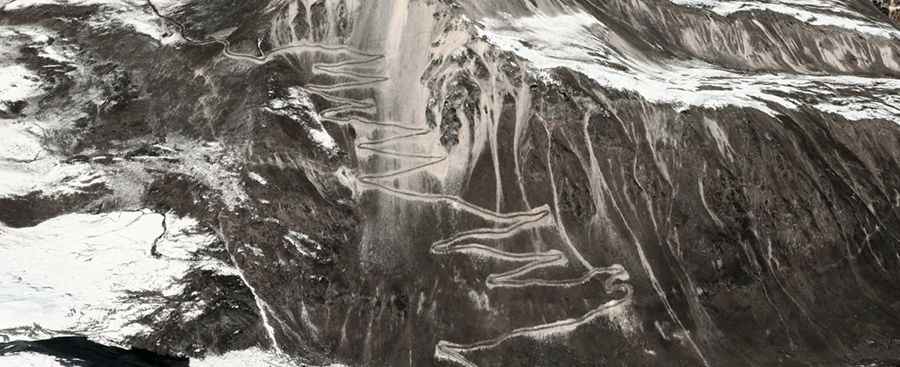
The journey to the summit is a high-altitude expedition where you are firmly driving at altitudes well over 4,000 meters. For any traveler, proper acclimatization is not just a recommendation but a necessity; the thin air at nearly 5,000 meters can be fatal for the unprepared. The landscape is dominated by the stark, windswept beauty of the high Tibetan plateau, where extreme cold and powerful gusts of wind are constant companions, even during the clearer months.
| Road facts: Boi La | |
|---|---|
| Location | Cona County, Tibet (China) |
| Elevation | 4,950 m (16,240 ft) |
| Hairpin Turns | 62 sharp turns |
| Length | 15.97 km (9.92 miles) |
| Average Gradient | 8.77% |
| Surface | Unpaved / 4WD Required |
How challenging is the climb to Boi La?
The climb to the summit is nothing short of legendary for off-road enthusiasts. Starting from the town of Shemucun, at an elevation of 3,549m, the ascent spans 15.97 km (9.92 miles). What makes this route particularly grueling is the layout: the road features 62 sharp hairpin turns carved into the steep mountainside. With an elevation gain of 1,401 meters and a relentless average gradient of 8.77%, the road is a nightmare for those prone to car sickness and a significant challenge for vehicle cooling systems.
The road surface is entirely unpaved, consisting of loose gravel and rocky sections that require a high-clearance 4x4 vehicle. Traction can be an issue on the steeper hairpins, especially if the ground is damp. Due to the extreme altitude and the geography of the Himalayas, the road is totally impassable during winter, when heavy snow and ice seal off the pass from the rest of the region.
What should you prepare for when driving to Boi La?
Safety is the primary concern for any traveler heading to Boi La. The winter seasons in Tibet are exceptionally harsh, marked by extreme cold that can freeze fuel and equipment. It is mandatory to check detailed weather forecasts before beginning the trip, as sudden storms can strand travelers in a high-UV, sub-zero environment. Beyond the vehicle requirements, drivers must be aware of altitude sickness (hypoxia), which affects both human cognitive functions and engine performance. Carrying supplemental oxygen, extra fuel, and cold-weather survival gear is essential for anyone brave enough to tackle this Himalayan giant.
Road suggested by: Hugh Wilson