Driving to Zezhang La: A 5.541m high-altitude mission in Shigatse
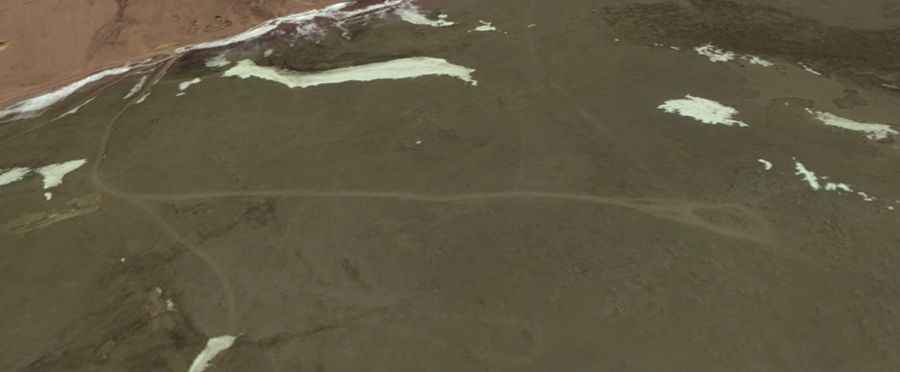
Zezhang La is an extreme high-mountain pass at an elevation of 5,541 meters (18,179 ft) above sea level, located in Ngamring County, within the Shigatse Prefecture of the Tibet Autonomous Region, China. Cutting through the upper ridges of the Himalayas, the unpaved mountain track is one of the highest mountain roads of China.
| Road facts: Zezhang La | |
|---|---|
| Location | Ngamring County, Shigatse, Tibet (China) |
| Elevation | 5,541 m (18,179 ft) |
| Length | 10.3 km (6.4 miles) from Yalagang |
| Elevation Gain | 770 m |
| Average Gradient | 7.47% |
| Surface | Unpaved (Gravel, dirt ruts, and loose rocks) |
How difficult is the mountain track to Zezhang La?
The unpaved ascent begins in the small settlement of Yalagang and climbs 770 vertical meters over a short 10.3-kilometer distance. The single-lane road maintains a continuous average gradient of 7.47%, cutting across unprotected mountain flanks with zero lateral safety barriers or guardrails. The surface consists of a raw earth base filled with deep ruts, heavy gravel, and loose Himalayan stones that reduce tire traction on the climbing sections.
What are the driving hazards on the Zezhang La pass?
The primary driving constraint of the 10.3-kilometer route is the extreme 5,541-meter altitude, which halves atmospheric pressure and drastically reduces engine horsepower and torque output. A high-clearance 4x4 vehicle with a low-range transfer case is required to climb the steep upper hairpins without losing traction on the shifting debris. The route is entirely isolated, lacking civilian towns, mobile coverage, fuel stations, or emergency assistance services.
Is the road to Zezhang La open in winter?
Due to its extreme altitude, the pass faces severe Arctic weather conditions and is completely blocked by heavy snow drifts and thick ice fields from October until late June, remaining entirely impassable. The remote county track receives no winter clearance or maintenance services. During the short summer opening window, sudden high-altitude blizzards or intense rainstorms can occur instantly, turning the dry dirt trackbed into slick, deep mud traps and triggering rockfalls from the cliffs above the lane.