Is the unpaved road to Nyema La in Tibet dangerous?
Nyema La is an extreme high-mountain pass reaching a staggering elevation of 5,481m (17,982ft) above sea level in the southeastern Tibet Autonomous Region of China. Serving as a primary access route for the Luobusa (Luobusazhen) mine, the road is a brutal industrial track designed for heavy-duty mining machinery. At nearly 5,500 meters, this is one of the highest motorable points on the planet, where the combination of oxygen deprivation and a punishing rocky surface makes it a high-stakes journey for any driver.
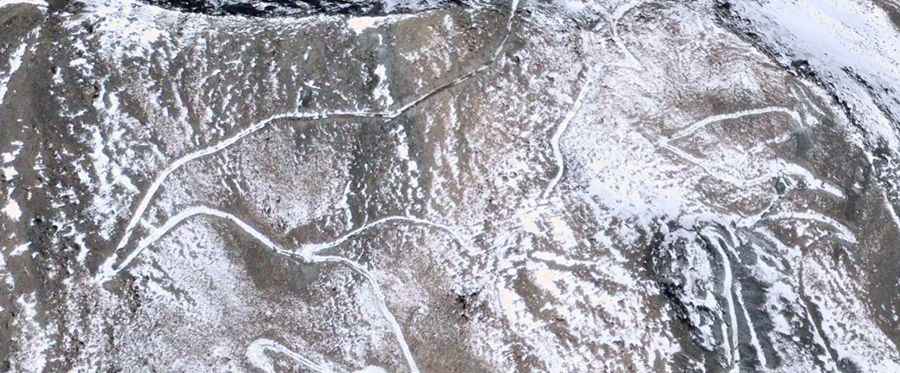
| Road facts: Nyema La | |
|---|---|
| Location | Qusum County, Shannan (Tibet) |
| Elevation | 5,481 m (17,982 ft) |
| Length | 18.7 km from Luobusazhen |
| Surface | Unpaved / Sharp Rocks / Loose Earth |
| Risk Level | Extreme (Altitude & Mining Traffic) |
How long is the road to the Nyema La summit?
The ascent begins in the settlement of Luobusazhen and covers a distance of 18.7 km (11.6 miles) to reach the pass. This is not a standard mountain drive; it is a specialized mining corridor where the road is constantly reshaped by the passage of heavy ore trucks. The 18.7 km climb is relentless, winding through a desolate, high-altitude desert where the lack of vegetation reveals the raw, unstable nature of the slopes. Drivers must be prepared for a slow crawl, as the average speed is dictated by the need to navigate around large boulders and deep ruts carved into the mountain face.
What are the road conditions near the Luobusa mine?
The surface of the Nyema La road is entirely unpaved and notoriously rough. Large, sharp rocks are scattered across the track, requiring tight maneuvering to avoid catastrophic tire damage. The mechanical strain on the vehicle is immense; at 5,481 meters, air density is less than half of what it is at sea level, causing engines to lose significant power and cooling systems to struggle. High-clearance 4x4 vehicles with reinforced tires are a mandatory requirement. This is a working road, and you will frequently encounter industrial vehicles that have the right of way on the narrowest, most exposed hairpins.
Why is the altitude of Nyema La a medical hazard?
Reaching 5,481 meters is a massive physiological challenge. The risk of Acute Mountain Sickness (AMS) is extreme, and conditions can escalate to pulmonary or cerebral edema within hours. This road should not be attempted by anyone with respiratory issues or heart conditions. Even healthy drivers will experience rapid exhaustion and clouded judgment due to hypoxia. It is critical to acclimatize at lower elevations in the Shannan region before attempting the 18.7 km climb. Carrying portable oxygen and having a clear emergency plan is a basic survival protocol for this sector of Tibet.
Is the Nyema La pass open year-round?
Due to its extreme elevation, Nyema La is blocked by snow and ice for much of the year. Even during the summer months, sudden blizzards can occur, turning the rocky track into a slippery, invisible ledge. The road is primarily maintained for mining access, but snow clearance is not guaranteed during the peak of winter. The best window for transit is from mid-summer to early autumn, though afternoon storms often bring heavy rain and fog that can reduce visibility to zero. If you encounter adverse weather on the upper ramps, the only safe option is to retreat to Luobusazhen immediately, as the high-altitude terrain offers no shelter from the elements.