Driving the G317 road to the high Anwu La Pass in Tibet
Anwu La is a high mountain pass at an elevation of 4,602 meters (15,098 ft) above sea level, located in the Nagqu prefecture of the Tibet Autonomous Region, IN China. Traversed by the National Highway 317 (G317), the pass—also known as Angu La or Angwu La—is a high-altitude link in northern Tibet. the road is fully paved.
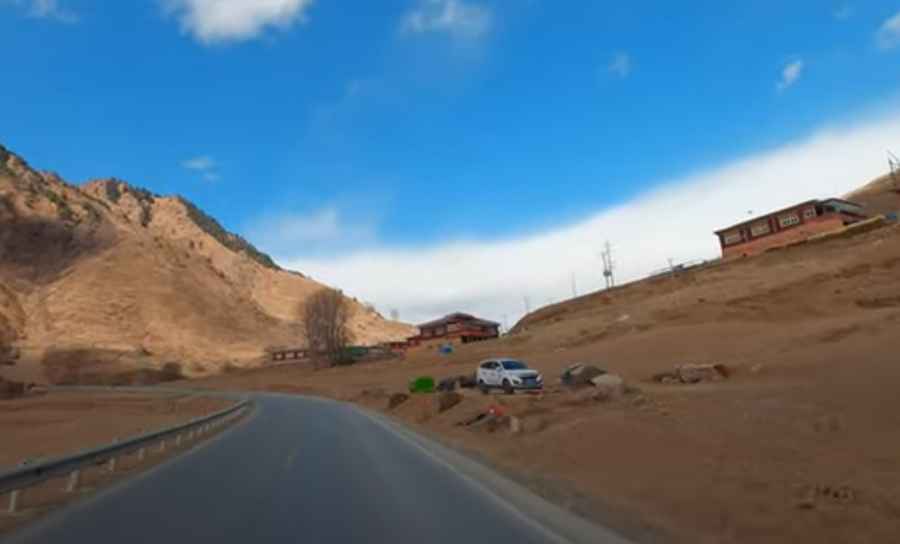
| Road facts: Anwu La Pass | |
|---|---|
| Location | Nagqu, Tibet, China |
| True Elevation | 4,602m (15,098ft) |
| Length | 36 km (22 miles) |
| Route | National Highway 317 (G317) |
How difficult is the G317 drive through Anwu La?
The 36-kilometer stretch between Baqen and Zaqu is a test of vehicle endurance rather than technical off-roading. Although the G317 is paved, the high-altitude plateau geography means the road surface is under constant attack from the elements. Unlike other Tibetan passes with violent switchbacks, Anwu La has fewer "sharp ups and downs," but the sustained elevation is the real hazard. Your engine will experience a significant drop in torque, and you must maintain a stable speed to avoid overstressing the cooling system. Be alert for sudden sections of "hidden ice and snow" that can linger in shaded corners even during the warmer months, turning the smooth asphalt into a high-risk slide zone.
Why is there a sign error at the Anwu La summit?
One of the most notorious features of the pass is the official traffic sign at the summit, which boldly claims an elevation of 5,089 meters. This is a significant mechanical and geographical error; modern GPS data and topographic mapping confirm the actual pass height is roughly 4,602 meters. This discrepancy of nearly 500 meters is critical for logistical planning, especially regarding engine tuning and oxygen management for travelers. Whether the sign was based on imprecise historical measurements or a mistake during installation, drivers should rely on their instruments rather than the roadside marker when calculating their ascent and descent strategies.
What are the main hazards on the northern Tibet plateau?
The primary hazard on the road to Anwu La is the combination of extreme isolation and unpredictable road conditions. While the G317 is a major corridor, some sections are frequently under repair, creating sudden transitions from smooth pavement to broken ground or gravel bypasses. The area is dominated by high-altitude grasslands where "black ice" is a frequent danger in winter and during the early morning hours. Low visibility due to heavy mist or sudden snow squalls can make driving dangerous, especially as safety barriers are inconsistent. In case of a breakdown, the logistics of getting help to this remote part of Nagqu are complicated, as distances between towns are vast and the weather can turn lethal in minutes.
What mechanical prep is needed for the Anwu La crossing?
Before leaving Baqen, verify that your battery and ignition system are in top condition; starting a cold motor at 4,600 meters is a major load on the electrical system. Check your tire pressures, as the extreme altitude changes will affect them significantly. Ensure your cabin's heating and ventilation systems are working, as you will be driving past snow-capped peaks where temperatures remain near freezing even in summer. Carry ample drinking water, snacks, and emergency supplies for at least 24 hours. Given the high elevation, keep your engine revs steady and avoid aggressive braking on the long, gradual descents to prevent overheating in the thin Tibetan air.