How to drive through the Jie La pass on the G219?
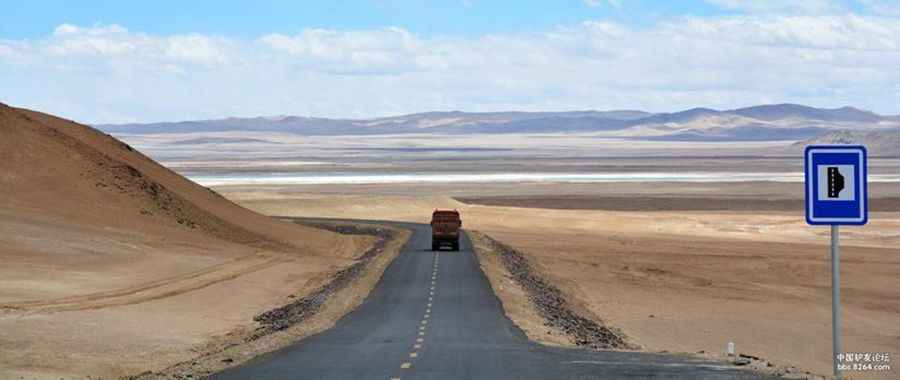
The Jie La is a high mountain pass located in the Himalayan range of Tibet, reaching an elevation of 4,936m (16,194ft) above sea level. The road to the summit is fully paved and forms part of the China National Highway 219 (G219). Spanning 31 km between Dingjiu and Dongjian in Ngamring County, this sector requires sustained operation at extreme altitudes, where oxygen levels are significantly reduced and weather conditions can compromise vehicle traction in minutes.
| Road facts: Jie La | |
|---|---|
| Location | Ngamring County, Shigatse, Tibet |
| Elevation | 4,936m (16,194ft) |
| Length | 31 km (Dingjiu to Dongjian) |
| Road Category | Paved (China National Highway 219) |
| Climate Hazard | Extreme winds and sub-zero temperatures |
What are the driving hazards on the G219 through Jie La?
Operating a vehicle on the G219 at the Jie La sector involves navigating one of the windiest sections of the Tibetan plateau. It is a known technical hazard to encounter strong gusts coming from two directions simultaneously, which can destabilize high-profile vehicles and trucks. Although the road is paved, the high altitude means the atmosphere is extremely arid, which can affect engine air intake efficiency. Drivers must stay alert for sudden drops in temperature; even in summer, snow is possible, and the road surface can flash-freeze, turning a standard paved transit into a high-risk skid scenario.
Logistical planning for remote Himalayan transits
Logistically, the 31 km stretch of Jie La is part of a much longer, isolated corridor. While there are truck stops along the G219, they are typically spaced a full day’s drive apart. You must be self-sufficient, carrying emergency food, a high-altitude sleeping bag, and a tent. Fuel management is critical; the thin air and constant climbs across passes of 3,000m to 5,000m will increase fuel consumption significantly. Ensure your vehicle has a functioning heating system and that all seals are intact to prevent the brutal -25°C nighttime temperatures from affecting the battery and fuel lines.
Mechanical prep for extreme cold and high altitude
Before crossing Jie La, a full mechanical inspection is mandatory. The extreme cold of Tibet puts massive strain on batteries and rubber components. Using winter-grade synthetic oils and anti-freeze rated for at least -40°C is a technical requirement. During the monsoon season (July and August), heavy rain can cause localized washouts or mud accumulation on the paved surface, requiring high-clearance vehicles to navigate debris. In winter, most secondary roads connected to the G219 are closed due to heavy snowfall, so stick to the main highway and monitor weather forecasts for wind alerts before starting the ascent.
Altitude safety for unacclimatized drivers
From a logistical safety standpoint, driving over 5,000m without proper acclimatization is hazardous. Hypoxia can lead to impaired judgment and slow reaction times on the windy sections of Jie La. It is standard protocol to carry portable oxygen and to avoid over-exertion during roadside repairs. If you experience symptoms of altitude sickness, the only logistical solution is to descend to a lower elevation immediately. The isolation of the Shigatse region means medical aid is hours or days away, so preventative monitoring of all passengers is essential during the 31 km transit.
Pic: http://www.8264.com/youji/2221425.html