Is the S217 road to Zagashershar Pass in Sichuan paved?
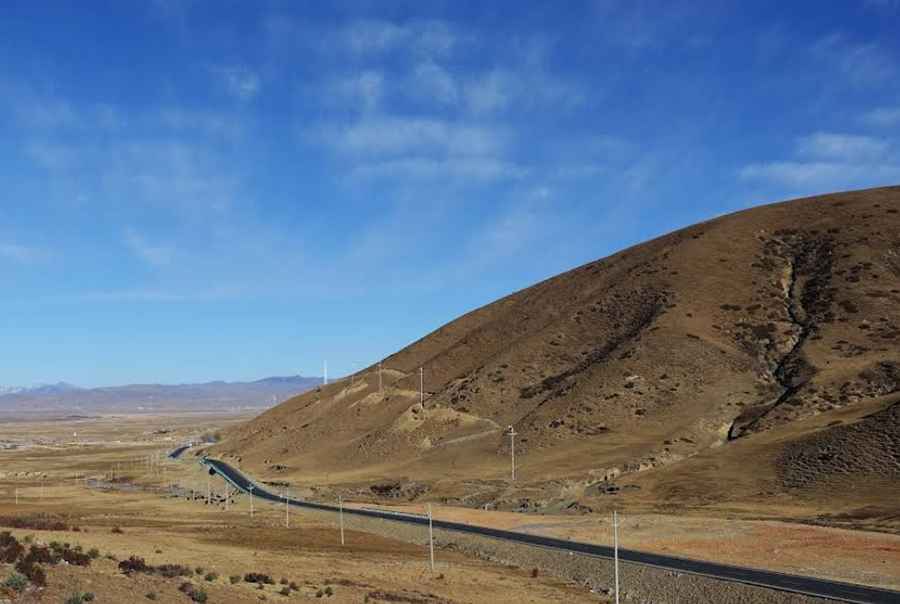
Zagashershar Pass is a high mountain pass at an elevation of 4,130 meters (13,549 ft) above sea level, located in Litang County within the Garzê Tibetan Autonomous Prefecture of Sichuan, China. Traversed by the S217 Provincial Road (Liya Highway), the route connects Bengexiang and Jiawaxiang across the Tibetan plateau.
| Road facts: Zagashershar Pass (S217) | |
|---|---|
| Location | Litang County, Garzê, Sichuan (China) |
| Elevation | 4,130 m (13,549 ft) |
| Route Designation | S217 Provincial Road (Liya Highway) |
| Length | 19.0 km (11.8 miles) between Bengexiang and Jiawaxiang |
| Surface | Paved asphalt |
| Key Hazards | Dense fog, sudden black ice, altitude power loss, rockfalls |
Where is the Zagashershar Pass located?
The pass is situated on the S217 Provincial Road in Litang County, western Sichuan. The 19-kilometer pass section links the rural settlements of Bengexiang and Jiawaxiang, climbing through high-altitude plateau mountains.
Is the S217 road to Zagashershar Pass paved?
Yes. The entire 19-kilometer route over the pass is fully paved with asphalt. Despite the smooth pavement, the road features continuous blind hairpins, steep gradients, and narrow sections with limited protective barriers along steep embankments.
How long is the drive over Zagashershar Pass?
The core pass section covers 19.0 kilometers (11.8 miles). Driving over the 4,130-meter elevation through tight switchbacks and high-altitude climbs takes roughly 30 to 40 minutes of continuous driving.
What hazards exist on the Zagashershar Pass?
The primary physical hazards are heavy mountain fog that reduces visibility below ten meters, sudden black ice formation, and extreme oxygen loss at 4,130 meters that causes significant engine power loss. Rainstorms also trigger loose rockfalls from exposed cliffs onto the asphalt.
Pic: sin Sin