Is the road through Koshbel Duban in Xinjiang difficult to drive?
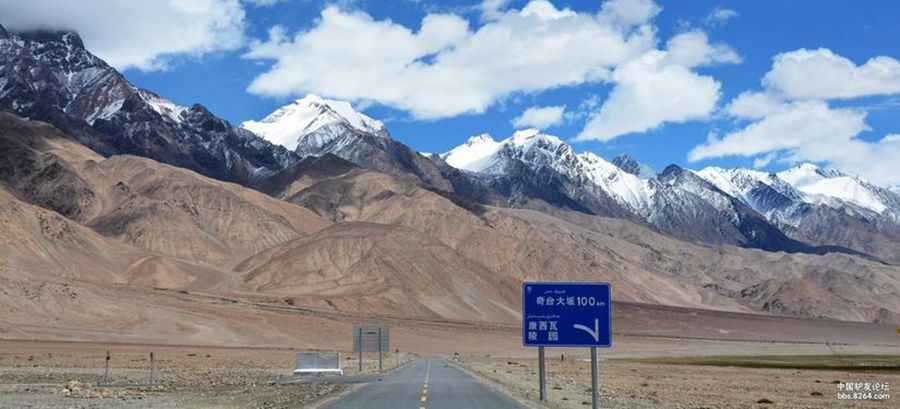
Crossing the Koshbel Duban is like driving through a desert made of ice and rock. At 4,279m (14,038ft) above sea level, this pass in southwestern Xinjiang is a critical point on the legendary China National Highway 219 (G219). Also known as the Tibet-Xinjiang Highway, this is one of the highest paved roads on the planet. It’s a place where the horizon never ends, the oxygen is scarce, and the wind blows so hard it feels like it’s trying to push your vehicle off the plateau.
| Road facts: Koshbel Duban | |
|---|---|
| Location | Xinjiang / Tibet Border (China) |
| Elevation | 4,279m (14,038ft) |
| Road Name | G219 National Highway |
| Surface | Fully Paved (since 2013) |
| Hazards | Extreme Winds / Altitude Sickness / Isolation |
How long is the road through Koshbel Duban?
The G219 is a monster of a road, and the section through Koshbel Duban is a relentless sequence of long straights and wide switchbacks. Since it was fully paved in 2013, the drive has become smoother, but the distances remain brutal. You can drive for hundreds of kilometers without seeing a single soul, just desert valleys and snowy peaks in the distance. The climb is steady, but at 4,279 meters, your engine will lose a significant amount of power. It’s a slow, rhythmic grind where you need to keep a steady pace and watch your fuel gauge, as gas stations are few and far between in this corner of the Kunlun Mountains.
Is the road to Koshbel Duban paved?
Yes, the road is entirely asphalted, but don't let the "modern" surface lower your guard. The asphalt is often cracked by the extreme temperature swings, which can drop to -25°C at night. The biggest physical challenge on the G219 isn't the surface, but the crosswinds. This is one of the windiest places in China, and the gusts can come from two directions at once, slamming into the side of your truck or car without warning. You need a firm grip on the wheel, especially when passing the massive heavy-duty trucks that dominate this route.
What are the hazards when driving to Koshbel Duban?
The main danger at Koshbel Duban is the altitude. If you haven't spent time acclimatizing, the jump to over 4,000 meters can be physically devastating. Altitude sickness is a real risk here, and there are no hospitals around the corner. Another hazard is the total isolation; you must carry your own food, water, and emergency supplies. In the winter, the "Sky Road" becomes a frozen hell with heavy snowfall and gusts that can bury the asphalt in minutes. Even in the summer monsoon (July and August), sudden snowstorms are possible. If you break down here, you are relying on the kindness of passing truckers, so travel with a sleeping bag and a heavy parka at all times.
Is the drive through Koshbel Duban worth it?
For those who want to see the most inhospitable and raw terrain on Earth, the G219 through Xinjiang is the ultimate journey. The views from the summit, with the white massifs of the Minya Konka in the distance, are staggering. It’s a place that makes you feel like you’ve reached the edge of the world. Just remember that out here, self-sufficiency is the only law. Ensure your vehicle is in perfect mechanical shape, check the weather reports in the nearest town before you head up, and focus on the road. The high plateau doesn't forgive those who come unprepared.
Driving the Aksai Chin sector is a test of endurance for both the car and the driver. The road to Koshbel Duban is a gateway to the high Tibet, a place where the sky feels close enough to touch. Respect the wind, watch your oxygen levels, and keep your lights on for the trucks. China’s "Sky Road" is a masterpiece of engineering, but the mountain always has the upper hand. Stay sharp and enjoy the silence of the high desert.
Pic: http://www.8264.com/youji/2221425.html