How to drive to the summit of Lame La in Ngari Prefecture
Lame La is a high mountain pass at an elevation of 4,832m (15,853ft) above sea level, located in Ngari Prefecture of China.
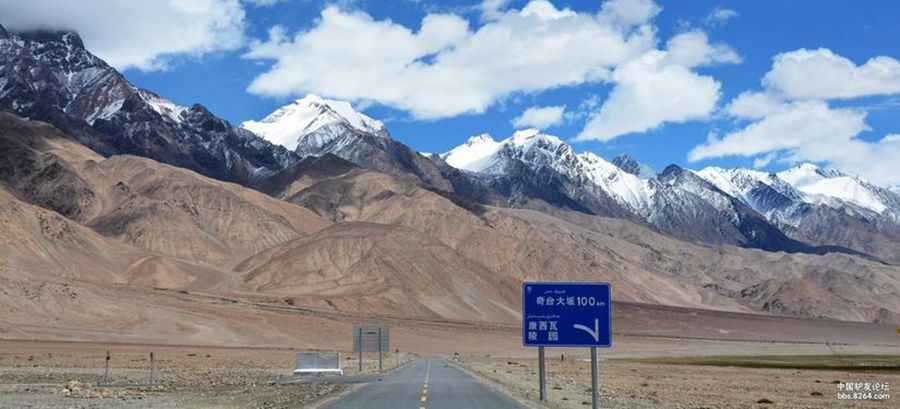
Where is Lame La?
The pass is located on the boundary between Gar County, formerly Senge Tsangpo County, and Rutog County, in the western part of the Tibet Autonomous Region.
Is Lame La paved?
The road through the pass is called 219 National Road, also known as Tibet–Xinjiang Highway. Built in 1951 and completed in 1957, it was fully paved in 2013.
How long is Lame La?
The pass is 37km (23 miles) long, running south–north from Lamei (in Gar County) to Qukang (in Rutog County).
How remote is Lame La?
This road passes through remote areas, so you need to be prepared. The breathtaking scenery ranks as some of the most inhospitable terrain on the planet. Expect many stretches with no water or food for tens or hundreds of kilometres, dozens of high passes, no shower or even a wash for weeks, and nighttime temperatures of –25°C or lower. Along the route there are truck stops spaced roughly a day’s travel apart, but it’s still wise to carry food, a sleeping bag, and even a tent for emergencies. Despite its reputation for running through terrain that is by and large uninhabited, the G219 does pass through a number of important historical and religious sites.
When is the best time to drive through Lame La?
On this road, also known as the “Sky Road” in Chinese, you're firmly at altitudes over 5,000m. For an unacclimatized person, this can be fatal. At these elevations, and for your own safety, always check the weather forecast before starting your trip. Tibet’s extremely high altitude creates harsh winter conditions, with severe cold and strong winds that blow almost constantly. Because of the exposure and elevation, the road is vulnerable to rapid weather changes and powerful gusts, so be prepared for cold and wind at any time. Traveling to Tibet in winter is generally discouraged: many roads become inaccessible, with half of them closed due to heavy snowfall, and the atmosphere turns extremely arid and difficult to tolerate. The monsoon season, from July to August, brings heavy rainfall that makes self-driving travel difficult to manage. And remember: in China, many websites are censored, so you may not be able to access certain URLs, especially those mentioning Tibet.
Pic: http://www.8264.com/youji/2221425.html