How to drive the unpaved road to Spanggur Gap?
Spanggur Gap is a high mountain pass at an elevation of 4,308 meters (14,133 ft) above sea level located on the Line of Actual Control (LAC) border between Ladakh, India, and Tibet, China. Located just west of Spanggur Lake, the 20-kilometer unpaved military track connects Chushul with Jieso Gongma across a high-altitude desert gap.
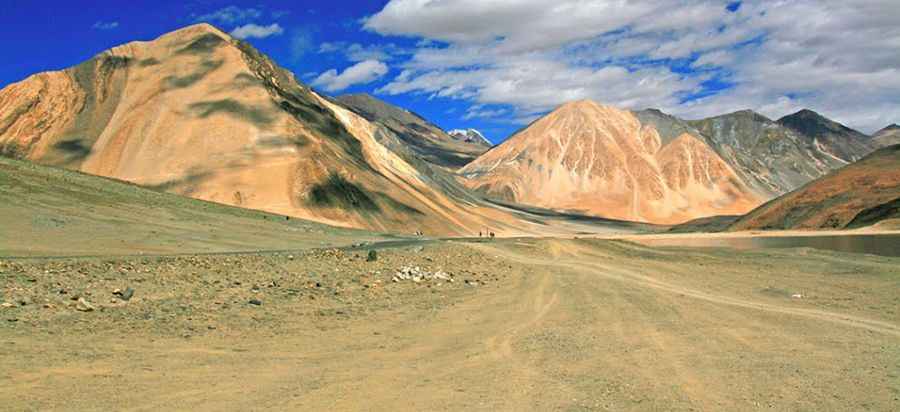
| Road facts: Spanggur Gap | |
|---|---|
| Location | India-China Border (Ladakh / Tibet) |
| Elevation | 4,308 m (14,133 ft) |
| Length | 20.0 km (12.4 miles) between Chushul and Jieso Gongma |
| Surface | Unpaved gravel, loose scree, and alluvial soil |
| Access Restriction | Strict military zone (Special permits required) |
| Key Hazards | 30-40% engine power loss, extreme winter freeze-thaw, permafrost heaves, zero civilian infrastructure |
Where is the Spanggur Gap located?
The gap sits directly on the disputed border zone between India and China, immediately west of Spanggur Lake. The 20-kilometer unpaved track links Chushul in eastern Ladakh with Jieso Gongma along the high Himalayan plateau.
Is the road to Spanggur Gap paved?
No. The entire 20-kilometer stretch is completely unpaved, consisting of heavy gravel, loose scree, and uncompacted dirt designed for military transport vehicles. High ground clearance and 4WD are mandatory to handle deep ruts and loose washboard sections.
How long is the road through Spanggur Gap?
The pass track covers 20.0 kilometers (12.4 miles). Navigating loose gravel ramps and unpaved flats at 4,308 meters takes roughly 45 to 60 minutes of low-speed driving.
What hazards exist on the Spanggur Gap road?
The primary physical hazards are 30% to 40% engine power loss due to thin air at 4,308 meters, permafrost frost heaves that damage vehicle suspensions, and winter temperatures dropping to -40°C that cause fuel icing. Dense fog rolling off Spanggur Lake frequently reduces visibility to near zero.
Pic: http://whereongoogleearth.net/2015/04/