Driving the S306 to Budrang La: 80 hairpins on the Tibetan plateau
Budrang La is a high-altitude mountain pass at an elevation of 4,912m (16,115ft) above sea level, located in the Tibet Autonomous Region of China. Part of the Provincial Road 306 (S306), the drive is a grueling 86.5 km transit that tests the limits of vehicle aspiration and driver endurance in one of the most isolated regions of the Himalayas.
| Road facts: Budrang La | |
|---|---|
| Location | Lhoka (Shannan) Prefecture, Tibet, China |
| Length | 86.5 km (53.7 miles) |
| Max Elevation | 4,912 m (16,115 ft) |
| Road Name | Provincial Road 306 (S306) |
| Surface | Unpaved, loose gravel, and large rocks |
How challenging is the S306 road to Budrang La?
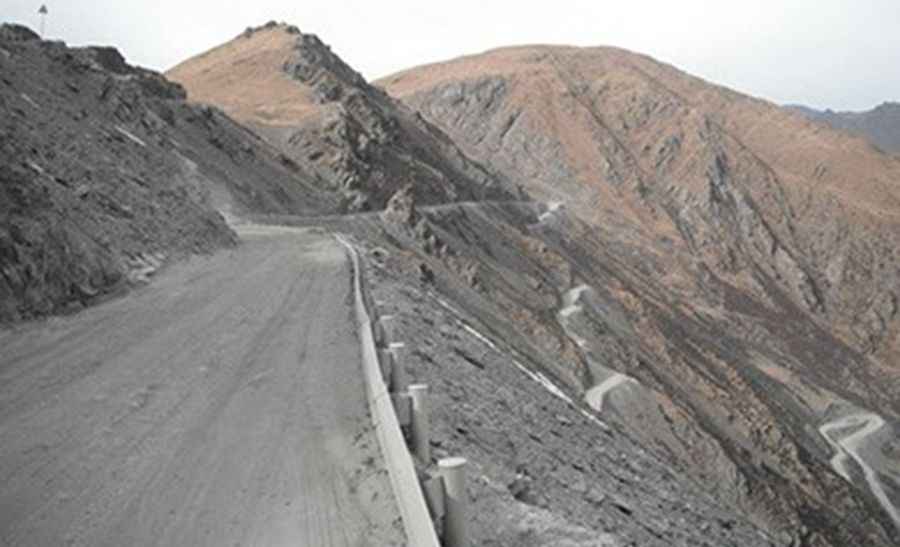
The road through Budrang La is widely considered one of the most difficult unpaved sections in Tibet. Spanning 86.5 km between Qusum and Gyaca, the track is a technical gauntlet featuring 80 hairpin turns—50 on the western ascent and 30 on the eastern descent. The surface is a treacherous mix of loose gravel and large, sharp rocks that can easily puncture standard tires. There is zero room for error; the track is narrow, and as seen in recent local conditions, the primitive wooden posts serving as guardrails offer no real protection against the massive drops into the valleys below.
What are the primary hazards of driving at 4,900 meters?
The main hazard at Budrang La is the extreme altitude and its effect on both humans and machinery. At nearly 5,000 meters, oxygen levels are significantly reduced. Drivers often experience severe altitude sickness (AMS), leading to dizziness and slowed reaction times, which are lethal when driving on shelf roads. For the vehicle, the thin air means a massive loss of engine power and torque. Naturally aspirated engines will struggle to maintain momentum on the steep switchbacks, making a turbocharged diesel 4x4 with a low-range gearbox the only reliable choice for this transit.
What is the road condition between Qusum and Gyaca?
The S306 is an unmaintained high-mountain trail where the weather dictates the state of the ground. In addition to the hairpin turns, the road is frequently littered with debris from rockfalls. Dust is a constant problem in the dry season, reducing visibility to just a few meters, while summer rains can turn the loose gravel into a slippery slurry that makes the 50 uphill hairpins nearly impossible to climb without locked differentials. The summit is marked by traditional prayer flags, but the environment is harsh and desolate, with no support services available for the entire length of the pass.
How to prepare your vehicle for the Budrang La expedition?
Success on Budrang La requires meticulous mechanical preparation. Before attempting the climb, ensure your vehicle's cooling system is perfect, as the high-torque, low-speed ascent will generate extreme heat in the thin air. Brakes must be audited; the 30-turn descent towards Gyaca will put immense thermal stress on your pads and rotors. It is mandatory to carry extra fuel, a full-sized spare tire, and a portable oxygen supply for the crew. This is a journey through the "dead zone" of high-altitude driving, where mechanical sympathy and a slow, cautious pace are the only things keeping you on the road.
Road suggested by: Hugh Wilson
Pic: lean99999