Driving the steep X120 road to the 4,016m Pingsong Pass
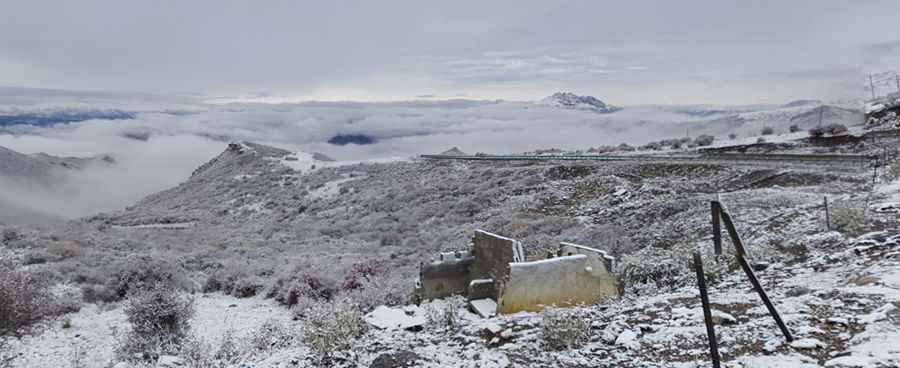
The X120, popularly known as the Pingsong Road, is a high-altitude mountain highway located in the northwestern part of Sichuan province, China. Stretching for 150 kilometers between Chuanzhusizhen and the Pignan Highway, this route is a masterpiece of mountain engineering and a nightmare for vehicle logistics. Reaching a staggering summit of 4,016 meters (13,175 ft), the road is fully paved but defined by hundreds of aggressive hairpin turns and a degree of steepness that pushes standard engines to their absolute limit in a high-altitude, low-oxygen environment.
| Road facts: X120 (Pingsong Road) | |
|---|---|
| Location | Sichuan Province, China |
| Elevation | 4,016m (13,175ft) |
| Length | 150 km (93.2 miles) |
| Surface | Fully paved |
How difficult is the climb on the X120 Pingsong Road?
The 150-kilometer journey is a relentless vertical grind. While the road is paved, the "simply terrible" climb features hundreds of hairpin turns that require constant gear changes and precise steering. At the highest point of 4,016 meters, the lack of oxygen is a physical barrier; most drivers and passengers will begin to feel the effects of altitude sickness long before the summit, typically between 2,500 and 2,800 meters. For the vehicle, this means a massive loss of power and torque, forcing you to keep the engine in the high-rev range just to maintain a steady pace on the steepest ramps. The logistics of overtaking slow-moving local furgonetas on these narrow switchbacks are high-risk and require perfect timing.
What are the main hazards in northwestern Sichuan?
The primary hazard on the X120 is the volatile weather and the unstable terrain. Avalanches, heavy snowfalls, and landslides are common throughout the year and can block the road without warning. The summit altitude of 4,016 meters means that even in summer, frequent patches of ice can turn the paved surface into a skating rink. Heavy mist is a constant reality in Sichuan, often reducing visibility to less than five meters on a road with hundreds of curves and dangerous drops. If you are caught in severe weather, the road can be closed instantly, leaving you stranded in a high-isolation sector where the cold and lack of oxygen become life-threatening survival factors.
Is the X120 road open during winter?
The road is technically open, but its high-altitude sections are subject to immediate closure whenever snow accumulation or ice makes transit impossible. Local maintenance crews struggle to keep the 150 km stretch clear during the peak winter months. Driving the Pingsong road in winter is not recommended unless you are equipped with specialized snow chains and have experience with high-altitude logistics. The combination of black ice on the hairpins and the high risk of landslides makes the descent particularly treacherous when the ground is frozen.
What mechanical prep is needed for the 4,016m Sichuan crossing?
Before leaving Chuanzhusizhen, verify that your cooling system and braking fluid are in perfect condition. Climbing to 4,016 meters at high revs puts an immense thermal load on the motor, while the descent requires flawless brake performance to avoid fluid boiling on the hundreds of turns. Check your tire tread and pressure; the asphalt on the X120 is often rugose and can be covered in sharp debris from recent landslides. Carry portable oxygen for the occupants and ensure your battery is strong, as the cold at the summit can kill a weak cell instantly. In the remote mountains of Sichuan, carry extra fuel and emergency supplies, as a breakdown on the Pingsong road means waiting for help in a low-visibility, high-altitude environment.