Driving the high altitude road to La Ken La in Tibet
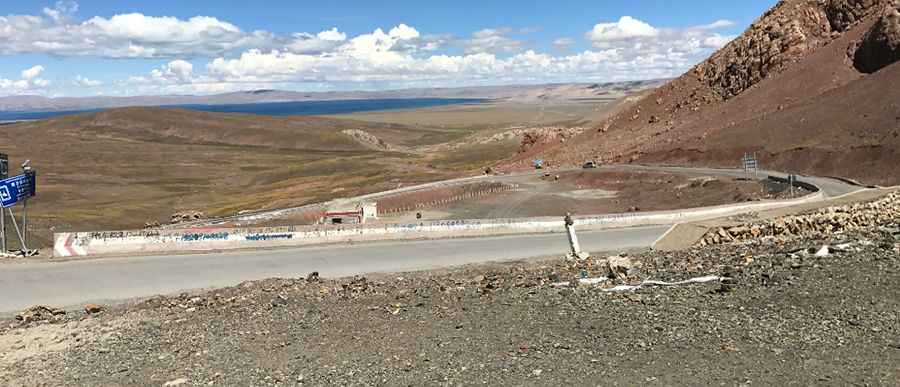
La Ken La, also known as Lakenla, is a staggering high-mountain pass sitting at 5,190 meters in the Tibet Autonomous Region of China. This is a massive crossing that serves as the gateway to Namtso Lake, the second-largest salt lake in the region. While the road is paved, driving here means operating at altitudes where the air is painfully thin and the weather can turn from a clear day to a lethal snowstorm in minutes. It is a world of prayer flags and thin air, where the wind never stops and every gear change is a struggle for a motor gasping for oxygen.
| Road facts: La Ken La | |
|---|---|
| Location | Damxung County, Tibet, China |
| Elevation | 5,190m (17,030ft) |
| Length | 31 km (19.2 miles) |
| Surface | Paved |
What is the road to La Ken La like?
The 31-kilometer journey connects Gongtang with Namucuoxiang. Although the road has been fully paved since 2005 to facilitate tourist access from Lhasa, it remains a technical challenge. The southern section, starting from the valley floor, is exceptionally steep, requiring constant work from the gearbox. As you approach the 5,190-meter summit, the gradient eases slightly, but the asphalt is often battered by extreme thermal expansion and contraction. High winds blow across the pass all year long, and they are strong enough to push a high-sided vehicle or a van out of its lane. You must maintain a firm grip on the wheel, especially when passing local buses that frequent this route.
What are the main hazards when driving over 5,000m at La Ken La?
The primary danger at La Ken La is the altitude and the erratic weather. At over 5,100 meters, an unacclimatized driver can experience severe altitude sickness, which leads to slow reaction times and blurred judgment—fatal on a mountain pass. Sudden snowstorms are very common, even in the middle of summer. In July and August, you can face several days of continuous rain that turns into snow at the pass. Temperatures can plummet from 20°C during the day to -10°C at night. This creates "black ice" on the asphalt that is nearly invisible but turns the turns near the summit into a skating rink. In winter, the cold is so brutal that diesel can freeze in the lines if you are not using the correct additives.
What mechanical prep is needed for the La Ken La pass?
Before leaving the lower valleys of Damxung, ensure your cooling system is perfect. The steep climb to 5,190 meters will make your engine temperature spike because the thin air is much less effective at carrying away heat. Your motor will lose approximately 50% of its power at this altitude, so don't expect to maintain a high speed; trying to force the car will only lead to overheating. On the descent toward Namtso Lake, avoid riding the brakes at all costs. The sustained drop will cook your pads instantly. Stay in a low gear and let engine braking control your speed through the curves. Carry extra water, emergency oxygen, and cold-weather gear, as a breakdown at the pass leaves you exposed to extreme UV radiation and sub-zero winds with no immediate shelter available.
Pic: Saikit Lau