Semo La: Driving one of the highest paved passes in the world
Reaching an elevation of 5,578m (18,300ft) above sea level, Semo La (also known as Sangmu La) is one of the highest roads in the world accessible by a paved surface. Located in Coqên County, within the Ngari Prefecture of the Tibet Autonomous Region, this pass is a legendary crossing on the Tibetan Plateau, offering a mix of extreme altitude and total isolation. It’s one of the highest roads in the country.
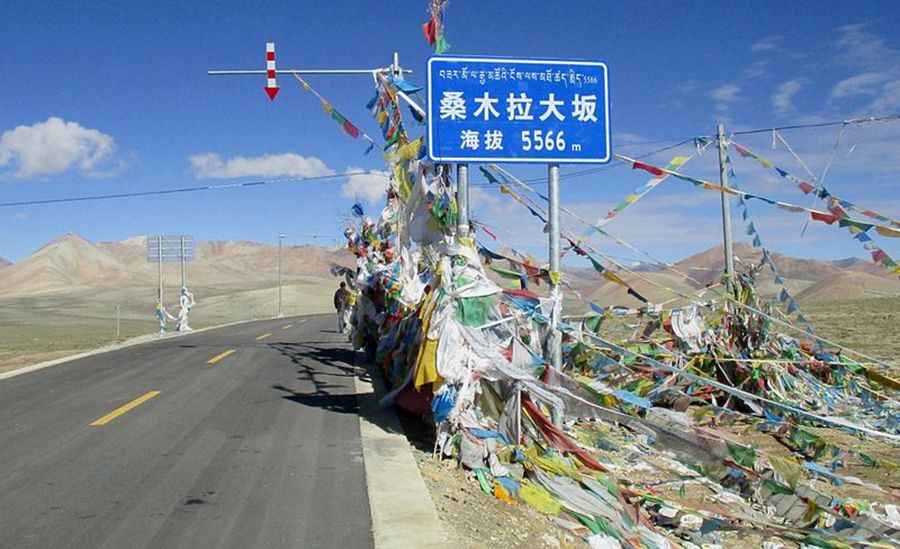
| Road facts: Semo La (Sangmu La) | |
|---|---|
| Location | Coqên County, Ngari, Tibet |
| Elevation | 5,578 m (18,300 ft) |
| Road Number | Provincial Road S206 |
| Status | Paved (since 2015) |
Can you drive through Semo La?
Yes, the road over Semo La is fully paved, with the asphalt completion dating back to late 2015. Despite being part of the S206 Provincial Road, it remains a "lonely road in the middle of nowhere." The route is a vital alternative access to western Tibet and Mount Kailash, especially when southern routes become impassable due to mud. However, drivers must be prepared for 150 km of driving at over 5,000 meters, which puts an incredible strain on both the human body and vehicle engines.
Is the road to Semo La challenging?
Technically, the road is well-tarmacked and easily drivable in almost any vehicle. The real challenge is the extreme lack of oxygen. At 5,578 meters, the air contains about 40% less oxygen than at sea level. This causes significant power loss in engines and can cause Altitude Sickness (AMS) in anyone, regardless of fitness level. Symptoms like increased pulse rate and laborious movement are guaranteed at the summit. Additionally, unpredictable snowstorms and blizzards can occur year-round, turning the asphalt into a slippery trap of ice and snow.
What are the weather hazards at 5,500 meters?
Weather concerns at Semo La are constant. Even in summer, temperatures can drop from 20°C during the day to -10°C at night. In July and August, it may rain or snow continually for several days. High winds are a permanent feature, often reaching gale force at the pass summit. Travelers should carry extra petrol, food, water, and medical-grade oxygen. Do not attempt this drive if you have respiratory problems or any type of heart condition.
Pic: By V.Steuer (Own work) [CC BY-SA 4.0 (https://creativecommons.org/licenses/by-sa/4.0)], via Wikimedia Commons