Driving the Guanxing Highway: China's engineering marvel in the sky
The Guanxing Highway (also known as the Guanxing Expressway) is a spectacular and technical toll road located in the Guizhou Province of China. Known as the "Highway in the Sky," this 160-kilometer route is celebrated for its engineering daring, winding through the complex and vertical karst mountain terrain of southwestern China.
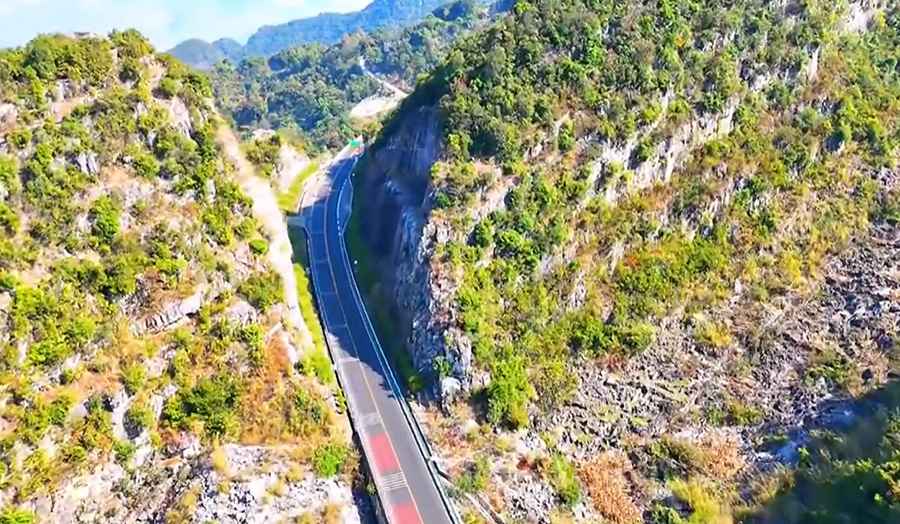
The highway serves as a vital strategic corridor, connecting Guanling to Xingyi. Before its completion, this region was one of the most isolated in the country due to the impenetrable geography of the Beipan River canyon. Today, it has achieved celebrity status among driving enthusiasts and engineering experts for its sheer audacity, featuring massive viaducts that seem to float above the clouds during the humid season.
| Road facts: Guanxing Highway | |
|---|---|
| Location | Guizhou Province, China |
| Length | 160 km (99 miles) |
| Opened | December 31, 2003 |
| Bridges / Tunnels | 88 Bridges / 11 Tunnels |
| Key Feature | Beipan River Bridge (366m high) |
| Surface | Paved / Asphalt |
How challenging is the Guanxing Highway for drivers?
The Guanxing Highway is a masterclass in mountain road design, but it is not without risks. The road incorporates approximately 88 bridges and 11 tunnels, creating a constant shift in lighting and road conditions. While the surface is fully paved, the highway features steep slopes and sharp curves as it descends and climbs through the deep valleys. The most famous section crosses the Beipan River via the Beipan River Guanxing Highway Bridge. At 366 meters (1,201 ft) above the river, it was the highest bridge in the world from 2003 to 2005 and remains one of the most intimidating crossings for those with a fear of heights.
Drivers should be prepared for sudden fog, which is extremely common in the Guizhou mountains. The humidity can make the asphalt slippery, and the transition from bright sunlight to the darkness of the 11 tunnels requires total focus. Driving at night is highly discouraged, not just because you miss the views, but because the technical nature of the bridges and the potential for crosswinds on the viaducts make it a high-risk activity in low visibility.
When is the best time to drive through the Guizhou Karst?
To experience the Guanxing Highway at its best, timing is crucial. Spring (March to May) offers the most lush scenery, but it is also the season for misty conditions that can obscure the bridges. Autumn (September to November) is widely considered the best season for a drive, as clear skies provide the best visibility for navigating the steep descents and capturing the scale of the karst peaks. The road is a vital passage for locals, so traffic can be heavy during Chinese national holidays. Always check for road maintenance updates, as the extreme terrain often requires repairs to the tunnel ventilation and bridge expansion joints.
Engineering at the edge of the world
The construction of the Guanxing Highway was a monumental task that required overcoming some of the world's most difficult geological conditions. The karst terrain is notorious for its instability, and building 88 bridges in such an environment was a breakthrough for Chinese engineering. Today, the highway is more than just a transit route; it is a 160-km journey through one of the most rugged landscapes on Earth. Whether you are crossing the deep Beipan River gorge or passing through the dark mountain tunnels, the Guanxing Highway stands as a testament to what modern road building can achieve in the face of impossible geography.
Road suggested by: jorge manuel gómez sánchez
Pic: China Infrastructure