Is the 4x4 road to Chuka La in Tibet difficult to drive?
Chuka La (also known as Quka La) is an extreme high-mountain pass at an elevation of 5,318m (17,447ft) above sea level, located in Zhongba County, within the Shigatse Prefecture of the Tibet Autonomous Region. Tucked away in the rugged Godong Gangri range, this unpaved track is one of the most remote and oxygen-deprived routes in western China, offering a true test for high-altitude explorers.
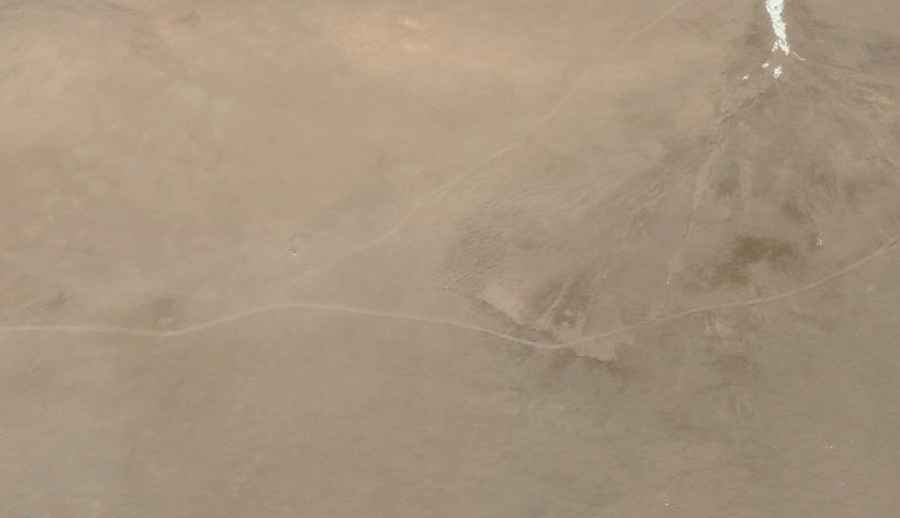
Driving at this altitude means navigating an environment where the air pressure is nearly half of that at sea level. This causes a significant drop in engine torque and can lead to overheating issues even in freezing temperatures, as the cooling systems work much less efficiently in thin air. It is a route that requires a high-clearance 4x4 vehicle and a driver experienced in navigating primitive, high-alpine tracks far from any mechanical support.
| Road facts: Chuka La (Quka La) | |
|---|---|
| Elevation | 5,318m (17,447ft) |
| Length | 17.1 km (10.62 miles) |
| Location | Zhongba County, Tibet (Near Palong Cuo Lake) |
| Surface | Unpaved / Gravel |
| Vehicle Required | 4x4 High Clearance |
How long is the road to Chuka La?
The pass road spans 17.1 km (10.62 miles), running from Penzhang to Qiongba. This 17-kilometer stretch is a relentless climb through a barren, rocky desert. Because it is located on the eastern side of the Palong Cuo saltwater lake, the terrain often consists of loose sand and gravel that can impair traction. Maintaining a steady momentum is key, especially on the steeper ramps where the thin air makes it difficult for the engine to recover if you lose speed.
Is the road to Chuka La unpaved?
Yes, the road to Chuka La is entirely unpaved and primitive. There is no asphalt in this part of the Godong Gangri range; instead, you will face a track made of crushed stone and dirt that is highly susceptible to the elements. During the winter months, the road is seasonally impassable as heavy snowfall turns the pass into a treacherous and slippery trap. Even in summer, melting permafrost can create soft spots in the road that can bog down vehicles without proper off-road tires and high ground clearance.
What are the main hazards on the Chuka La pass?
The primary hazard of Chuka La is its sheer isolation. Located in a desolate corner of the Shigatse Prefecture, there are no facilities, fuel stations, or emergency services within reach. Acute Mountain Sickness (AMS) is a significant risk for drivers, as the road stays above 5,000 meters for much of its duration. Additionally, the unpredictable Tibetan weather can bring sudden blizzards even in July. Before attempting the drive from Penzhang, ensure you are carrying extra oxygen, satellite communication, and sufficient fuel, as the mechanical strain of the 5,318m climb will consume much more petrol or diesel than a standard road trip.
Road suggested by: Hugh Wilson