Driving to Chake La: A 5.338m high-altitude mission in Changtang
Located on the boundary of Nyima and Shuanghu counties, the ascent to Chake La (also known as Qagê La) is a high-altitude operation through the heart of the Changtang National Nature Reserve. Reaching an elevation of 5,338m (17,513ft) above sea level, this unpaved track is one of the most isolated motorized routes in southwest China. It is a journey defined by the brutal scale of the Tibetan plateau, where the verticality of the peaks and the absolute absence of civilian infrastructure demand total mechanical respect.
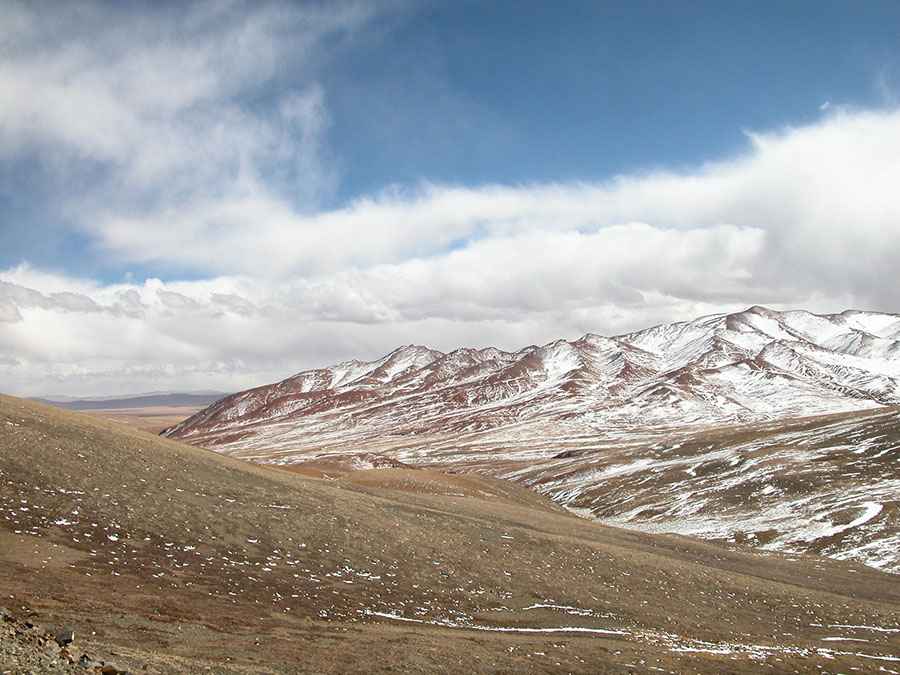
| Road facts: Chake La (Qagê La) | |
|---|---|
| Location | Nyima/Shuanghu, Tibet (China) |
| Elevation | 5,338 m (17,513 ft) |
| Length | 66.1 km (41.07 miles) |
| Surface | Unpaved / Gravel / Glacial debris |
| Vehicle Required | High-Clearance 4x4 mandatory |
How punishing is the 5,338m altitude for a drive to Chake La?
The 66.1 km transit between Suoga Luma and Gacuoxiang is a relentless mechanical grind. At an elevation of over 5,300 meters, the notorious absence of oxygen causes a massive drop in engine torque, making the unpaved ramps extremely difficult to clear without a low-range gearbox. Your vehicle’s cooling system will be under constant stress, as the lower atmospheric pressure significantly reduces the boiling point of your fluids. The surface consists of loose gravel, fine glacial dust, and deep ruts that can easily damage your suspension or oil pan if you lose momentum on the steepest sectors. This is a low-speed transit where you should allow at least 4 hours of pure driving time, as the average speed is dictated by the broken nature of the Changtang soil.
What are the hazards of the Changtang National Nature Reserve tracks?
Operating in the Changtang National Nature Reserve means navigating one of the most volatile environments in Tibet. The primary hazard is the absolute lack of assistance; once you leave Suoga Luma, you are entirely on your own in a "dead zone" of extreme weather. Sudden blizzards can hit at any time, turning the dirt path into a muddy trap that can swallow a tire in seconds. Night driving is strictly not advised due to the extreme drops in temperature and the risk of hitting wildlife or losing the narrow track in the dark. The road features high-exposure sectors near the summit where the soft, eroding shoulders offer no safety margin, and the "countless bends" of the Qagê La ridge require constant situational awareness.
What is the best mechanical strategy for the high Tibetan passes?
Reaching the summit of Chake La requires a strictly logistical approach. You must carry extra fuel, multiple spare tires, and cold-weather survival gear, as a mechanical failure at 5,338m is a life-threatening emergency. On the descent back toward Gacuoxiang, do not rely on your foot brakes; the combination of the long distance and thin air will lead to rapid brake fade. Instead, engage heavy engine braking and maintain a controlled crawl through the most exposed sectors. Monitor your vehicle’s air filters and battery constantly, as the bone-shaking vibration from the corrugated surface is a primary cause of mechanical failure. In this part of Tibet, the road is a mission—respect the altitude, watch the ruts, and never underestimate the mechanical toll of the high-altitude desert.
Road suggested by: Hugh Wilson
Pic: Juntao JIANG