How to drive the remote 4x4 road to Ruro La in Tibet?
Ruro La is a high mountain pass at an elevation of 4,547m (14,917ft) above sea level, located in Zhag’yab County, within the Chamdo Prefecture of the Tibet Autonomous Region. This remote crossing is situated in one of the most rugged and less-traveled parts of eastern Tibet.
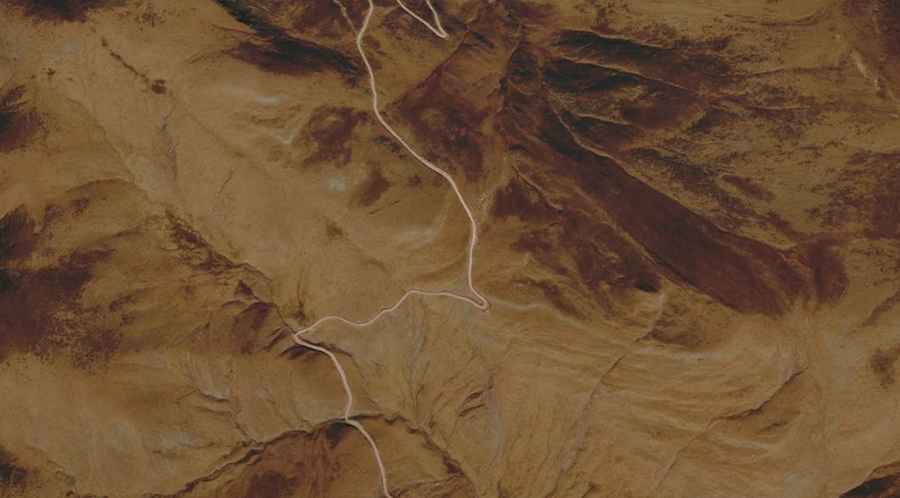
The pass sits in a high-alpine desert environment, where the landscape is defined by vast brown ridges and steep rocky slopes. Like many routes in the Chamdo region, it serves as a vital but precarious link between small mountain settlements. The air at nearly 4,600 meters is significantly thinner, which can affect both engine performance and the physical well-being of travelers who are not properly acclimated to the Tibetan Plateau.
| Road facts: Ruro La | |
|---|---|
| Location | Zhag’yab County, Tibet (China) |
| Elevation | 4,547m (14,917ft) |
| Length | 8.99 km (5.59 miles) |
| Surface | Unpaved / Dirt |
| Hairpin Turns | 10 |
Is the road to Ruro La in Tibet difficult?
The road through the summit is totally unpaved and consists of a rough dirt track that requires a high-clearance 4WD vehicle. Spanning 8.99 km (5.59 miles), the route runs north-south, connecting the areas of Deku Muy and Quedeng. The drive is notoriously steep and curvy, featuring 10 sharp hairpin turns that zigzag up the mountain flank. Due to the lack of safety barriers and the unstable nature of the soil, the track can become dangerously slippery during rare rain events or summer snow showers.
What are the driving conditions at Ruro La?
Expect a journey through a completely uninhabited terrain where the weather can change in minutes. Because of the extreme altitude and the technical nature of the hairpins, driving this route at night is highly discouraged. The narrowness of the track and the significant drop-offs mean that full concentration is required at all times. This is a journey for experienced high-altitude drivers looking for the true, raw essence of the Tibetan backcountry, far from the modernized paved highways of the main prefectures.
Road suggested by: Hugh Wilson